
A Clear and Simple Explanation of Climate Change: Causes, Impacts and What Lies Ahead
Human activity is driving a steady rise in global temperatures, creating serious risks for both people and ecosystems.
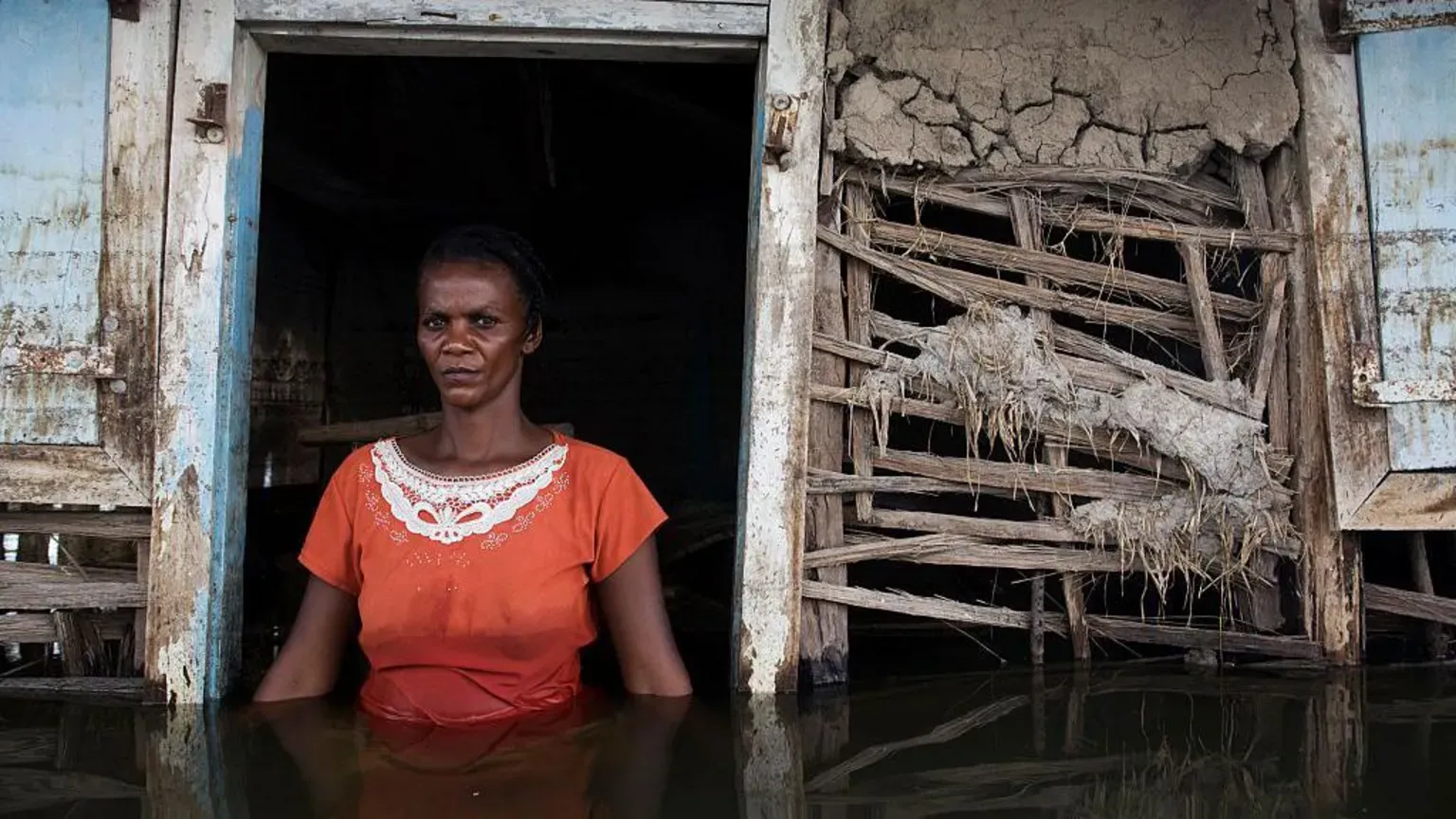
While the situation is expected to worsen in the coming decades, scientists emphasize that swift and decisive action can still reduce the most severe consequences.
What is climate change?
Climate change refers to long-term changes in the Earth’s average temperature and overall weather patterns. Although the planet’s climate has always varied naturally, the pace of warming observed over the past century is unusually rapid.
According to scientific observations, each decade since the 1980s has been warmer than the one before. Data also shows that the 11 hottest years ever recorded have all occurred since 2015. The year 2024 marked the highest global temperature on record, largely due to human-driven climate change.
It was also the first year in which global temperatures exceeded 1.5°C above pre-industrial levels. Although 2025 saw a slight cooling effect due to natural climate patterns like La Niña, overall temperatures remained historically high.
How are humans responsible?
While natural factors such as volcanic activity or solar variations can influence climate, they cannot explain the rapid warming seen today. Scientists overwhelmingly agree that human activities are the primary cause.
The main driver is the burning of fossil fuels—coal, oil and gas—for energy, transport and industry. This process releases greenhouse gases, particularly carbon dioxide (CO₂), which trap heat in the atmosphere.
Since the Industrial Revolution, atmospheric CO₂ levels have risen by more than 50%, reaching levels far beyond those seen in hundreds of thousands of years. This increase acts like a thermal blanket, preventing heat from escaping and causing global temperatures to rise.
What changes are already happening?
Climate change is no longer a future concern—it is already having widespread effects. These include:
More frequent and intense extreme weather events such as heatwaves and heavy rainfall
Accelerated melting of glaciers and ice sheets, contributing to rising sea levels
Declining Arctic sea ice
Warmer oceans, which can intensify storms and damage marine ecosystems
These changes are having serious consequences for economies and communities worldwide. For instance, the devastating wildfires in Los Angeles in early 2025 caused massive destruction and financial losses estimated at over $100 billion. Scientists say climate change increased the likelihood of the hot, dry conditions that fueled those fires.
Similarly, East Africa experienced its worst drought in four decades in 2022, leaving more than 20 million people facing severe food shortages. Researchers estimate that climate change made such an extreme drought at least 100 times more likely.
Why is the 1.5°C target important?
Nearly 200 countries agreed under the Paris Agreement to limit global warming to 1.5°C above pre-industrial levels. This threshold is based on long-term averages rather than short-term spikes.
Even at 1.5°C, the world will face significant challenges. However, exceeding this level—especially reaching 2°C or higher—would lead to far more severe consequences. These include:
Increased exposure to extreme heat
Rising sea levels threatening coastal communities
Greater risks to global food supplies
The spread of climate-sensitive diseases
Widespread biodiversity loss, including the near-total destruction of coral reefs
Scientists are also concerned about “tipping points,” where environmental changes could become irreversible. Examples include the collapse of major ice sheets, disruption of ocean currents, and large-scale loss of rainforests.
Currently, an estimated 3.3 to 3.6 billion people are highly vulnerable to climate impacts, particularly in lower-income regions with fewer resources to adapt.
What actions are being taken?
Limiting global warming requires reaching “net zero” emissions—reducing greenhouse gas output as much as possible while removing remaining emissions from the atmosphere.
Many countries have set or are considering net zero targets, and there has been progress in areas such as renewable energy and electric vehicles. However, global emissions remain at record highs.
Current trends suggest that the 1.5°C threshold could be exceeded around 2030. Without stronger action, global temperatures could rise close to 3°C by the end of the century.
International climate negotiations continue, but progress has been uneven. While financial commitments have been made to support developing countries, many experts argue that current efforts fall short of what is needed.
What can individuals do?
Although large-scale change depends on governments and industries, individuals can also contribute by making more sustainable choices. These include:
Reducing air travel
Using less energy at home
Improving energy efficiency through insulation
Switching to electric vehicles or alternative transport
Adopting low-carbon heating systems
Cutting back on red meat consumption
While these actions alone cannot solve the crisis, they can support broader efforts to reduce emissions and promote sustainable living.