
‘A world bound to fossil fuels’: Does the Iran war signal it’s time to move beyond oil?
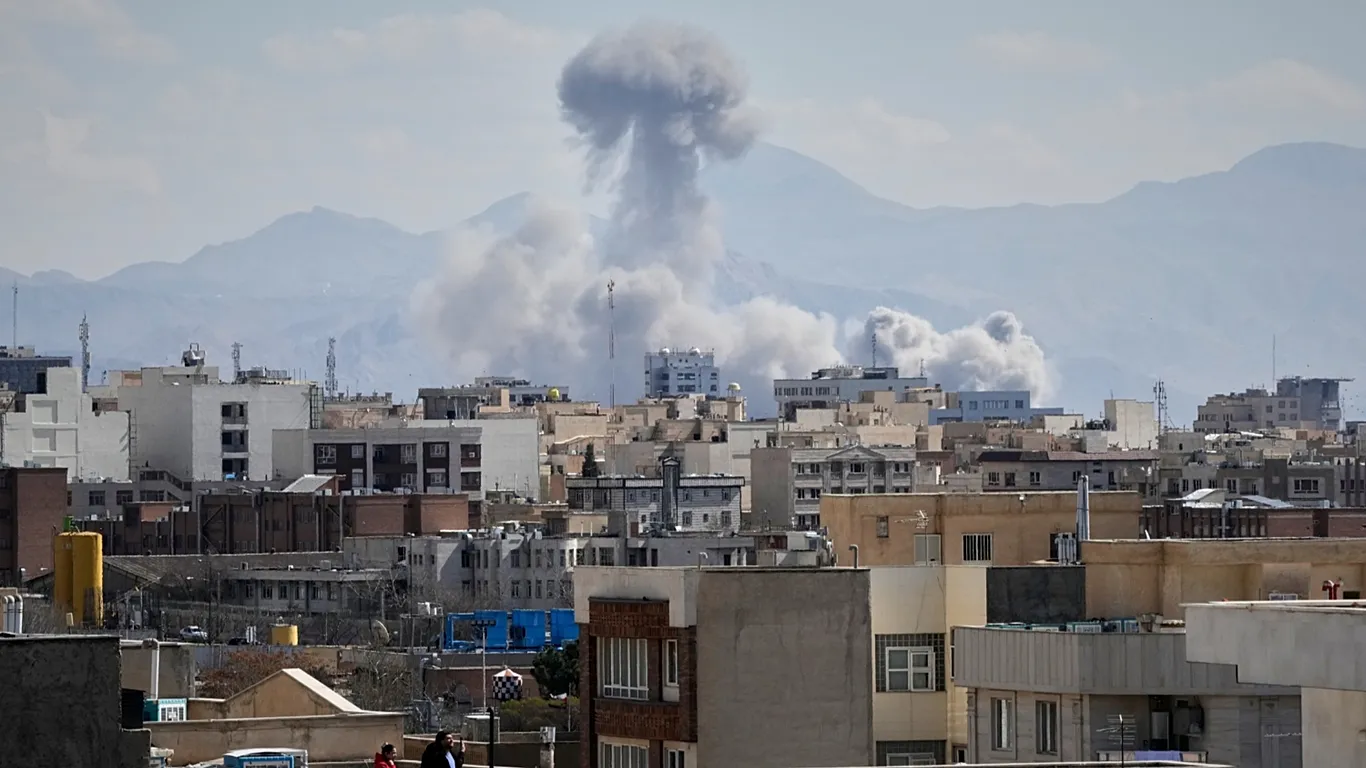
Rising tensions in the Middle East have sent shockwaves through global energy markets, as Iran’s warning that the Strait of Hormuz could be closed to navigation triggered sharp increases in oil prices and renewed calls for a transition away from fossil fuels.
Brent crude, the global benchmark for oil, surged by around 10 percent to exceed $82 per barrel after reports of attacks on multiple vessels near the strategically vital waterway. The Strait of Hormuz, a narrow 38-kilometre passage, handles roughly one-fifth of the world’s oil supply—equivalent to about 20 million barrels per day—making it one of the most critical chokepoints in global energy trade.
Shipping disruptions intensified after Iran signalled that the strait was no longer safe for navigation, forcing hundreds of vessels to halt operations. Analysts warn that prolonged disruption could push oil prices well beyond $100 per barrel if supply flows are not quickly restored.
In response, the OPEC+ coalition has agreed to increase production by more than 200,000 barrels per day in an effort to stabilise markets. However, experts caution that ramping up supply is not an immediate solution, as production increases take time and logistical adjustments.
Energy analysts at Wood Mackenzie noted that while producers may attempt to maximise output by accelerating operations or delaying maintenance, the system lacks the flexibility to instantly compensate for major disruptions. Alternative export routes, such as pipelines to the Red Sea or Mediterranean, may partially offset supply shortages.
The crisis has reignited debate over global dependence on fossil fuels. Environmental organisations argue that the volatility seen in energy markets highlights the broader risks tied to oil and gas reliance. Greenpeace International stated that geopolitical conflicts continue to expose the fragility of a fossil fuel-based system, where energy security, economic stability, and even peace can be influenced by regional tensions.
Similarly, 350.org warned that the conflict demonstrates the systemic vulnerability of global energy systems. The group argued that a single geopolitical flashpoint can disrupt supply chains and drive up costs worldwide, ultimately impacting households through higher energy prices and inflation.
Advocates for renewable energy say the current situation underscores the need for a faster transition to cleaner, domestically sourced power. They argue that expanding renewable infrastructure could reduce exposure to geopolitical shocks while providing more stable and affordable energy in the long term.
As the conflict continues, policymakers face mounting pressure to balance short-term energy security with long-term sustainability goals, with many experts warning that continued reliance on fossil fuels will leave economies exposed to recurring crises.