
Amid Climate Crisis, Grassroots Movements Offer Hope Despite Political Inaction
Amid Climate Crisis, Grassroots Movements Offer Hope Despite Political Inaction
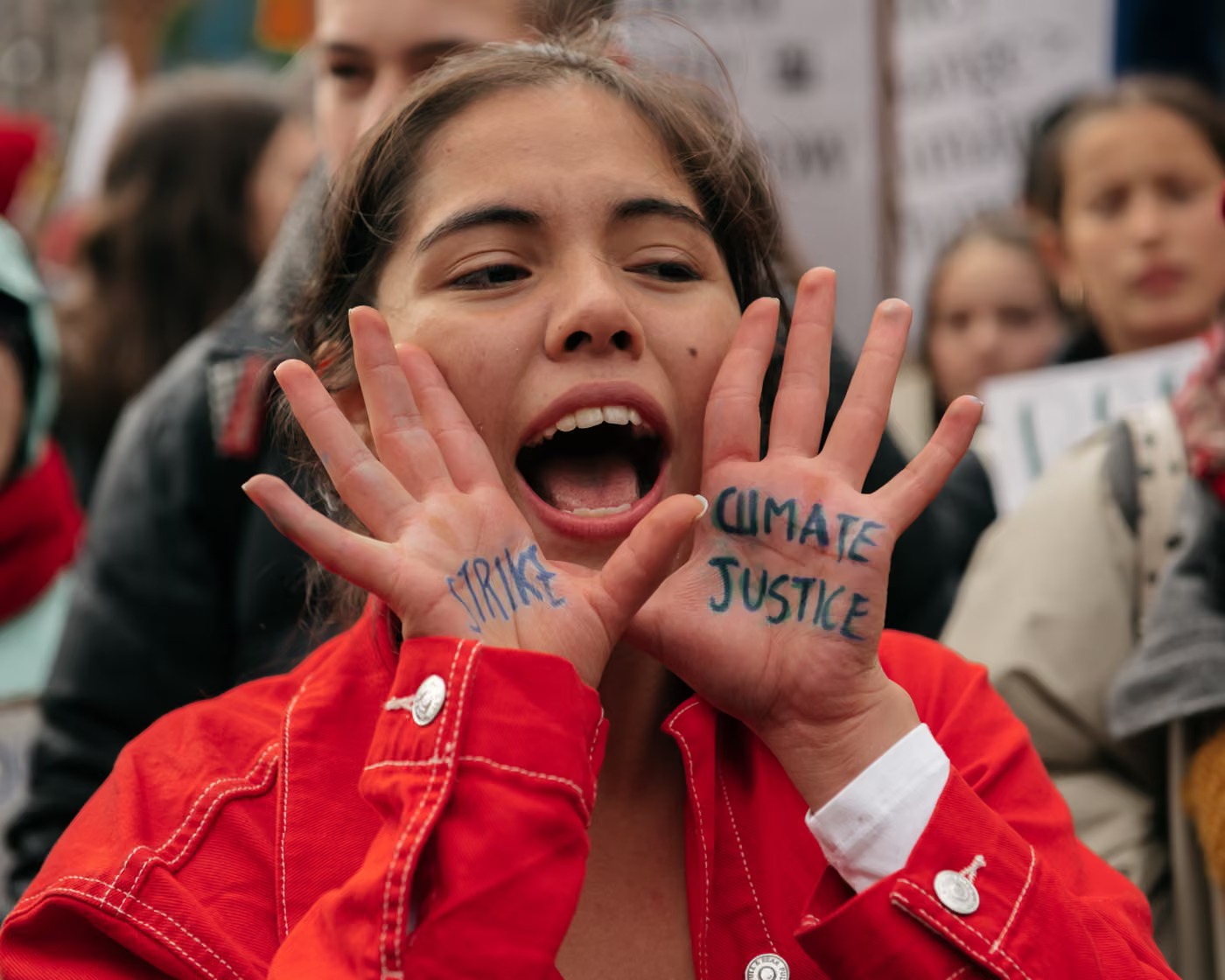
Yet, according to long-time environmental journalist Nina Lakhani, there are still reasons for optimism—particularly in the growing strength of grassroots movements worldwide.
Having spent six years reporting on environmental justice, Lakhani highlights the devastating effects climate change continues to have on communities, from extreme weather disasters to food insecurity and displacement. However, she stresses that these impacts are not experienced equally, with marginalized and vulnerable populations bearing the greatest burden.
Rather than presenting climate change as a shared experience, Lakhani argues that inequality lies at the heart of the crisis. Different regions and communities have contributed unevenly to global emissions and face vastly different capacities to respond and recover.
Despite these challenges, she points to the growing influence of ordinary people—from activists and Indigenous groups to scientists and local communities—who are pushing for meaningful climate action. These efforts, she says, are beginning to disrupt long-standing systems that have allowed fossil fuel dependence to continue largely unchecked.
One example of progress is the establishment of a “just transition mechanism” during COP30. This initiative aims to ensure that the shift to cleaner energy systems is fair and inclusive, protecting workers and communities most affected by the transition. While imperfect, it represents a shift toward more people-centered climate policies.
Additionally, some countries are taking independent steps outside traditional global negotiations. Nations such as Colombia and the Netherlands are working with partners to develop strategies for phasing out fossil fuels, reflecting growing frustration with slow progress in international climate talks.
Legal action is also becoming an increasingly powerful tool. Courts around the world are holding governments and corporations accountable for their role in climate change, reinforcing the idea that environmental protection is closely linked to human rights obligations.
Lakhani also emphasizes the importance of Indigenous knowledge, which has long promoted sustainable relationships with nature. Combined with modern technology and innovation, these approaches could play a key role in shaping future climate solutions.
Ultimately, she argues that real progress will depend on continued public pressure. Whether through protests, legal action or political engagement, citizens will need to drive change and ensure that climate policies prioritize people and justice.
While the crisis remains urgent, these developments suggest that collective action still has the power to reshape the global response to climate change.