
Australia’s Beloved Superb Fairywren Faces Possible Extinction Within Decades Due to Climate Change
Australia’s Beloved Superb Fairywren Faces Possible Extinction Within Decades Due to Climate Change
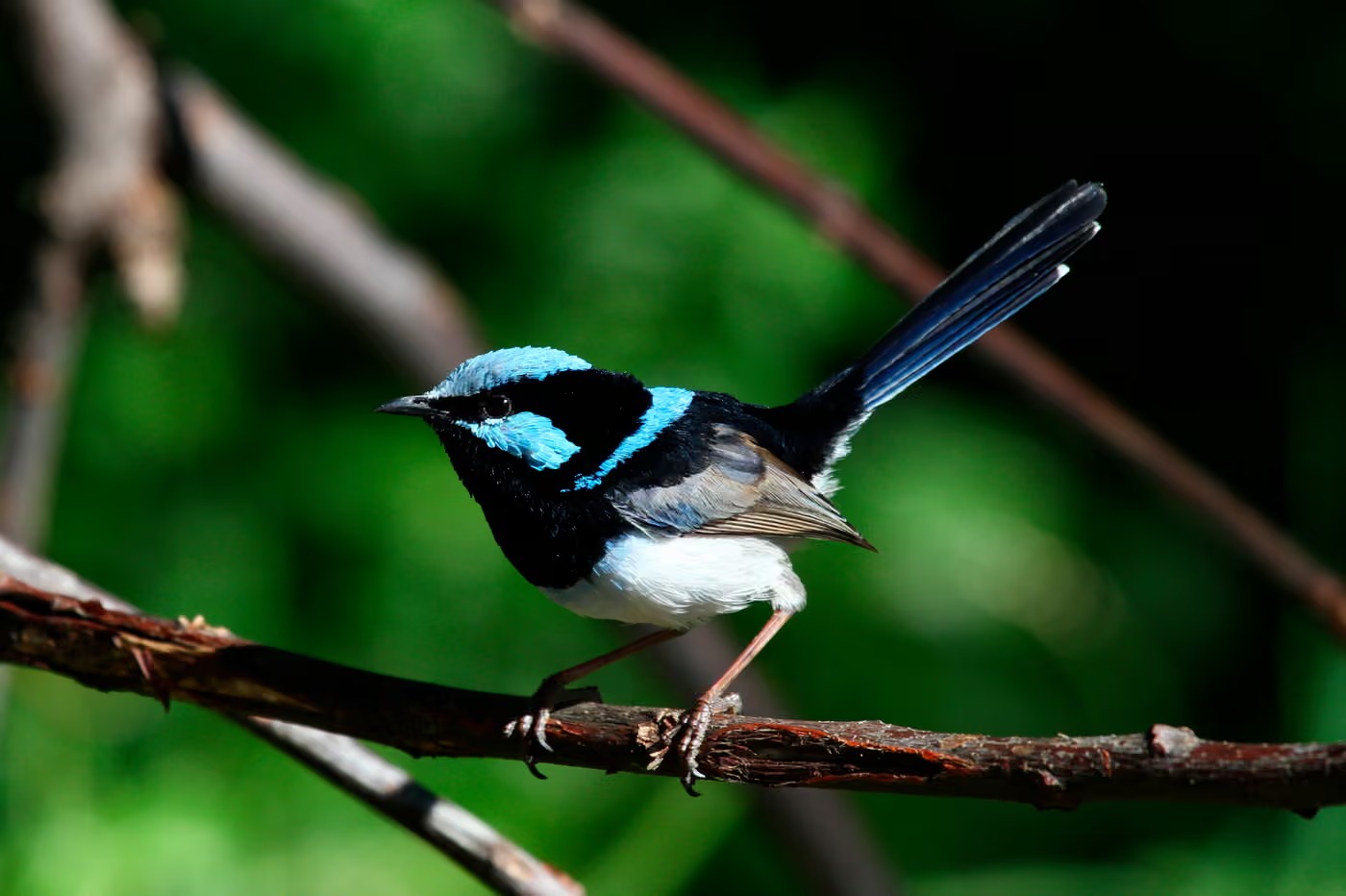
The findings are based on nearly 30 years of continuous observations of fairywrens living in Canberra’s botanic gardens. Researchers monitored the birds weekly, allowing them to assess how shifting weather patterns are influencing survival and reproduction.
Although the species has long been considered common—and even voted Australia’s favourite bird in both 2013 and 2021—scientists now warn it may be an early indicator of broader biodiversity loss linked to climate change.
The study was led by ecologist Martijn van de Pol from James Cook University, in collaboration with the Australian National University and Hainan University in China. Long-term field data collected by researcher Helen Osmond revealed that multiple weather-related pressures are combining to threaten the birds’ future.
Van de Pol explained that no single climate factor is solely responsible. Instead, it is the cumulative effect of changing conditions throughout the year that is proving most harmful. These overlapping impacts gradually reduce survival rates and breeding success.
According to the study, the fairywren population could decline rapidly, with extinction projected within 30 to 40 years under moderate to high emissions scenarios. Even under more optimistic climate pathways, the risk remains significant over the next half-century.
Researchers found that dry spring seasons led to lower breeding success, while unusually warm winters and extremely hot summers reduced adult survival. Together, these pressures are weakening the species’ ability to sustain its population.
Experts say the findings are particularly concerning because the superb fairywren has traditionally been viewed as resilient and widespread. Dr Holly Parsons from BirdLife Australia noted that the bird’s popularity and visibility make its decline especially alarming.
Beyond climate change, additional threats are compounding the problem. Habitat loss due to urban expansion has reduced the dense vegetation the birds rely on for shelter. Their small size also makes them vulnerable to predators such as cats and foxes.
Parsons added that as urban areas expand and gardens become less suitable for wildlife, the species has become noticeably less common in cities where it once thrived.
The study highlights that climate change is affecting the species at every stage of its life cycle, raising concerns that even common birds are no longer safe from environmental pressures.
Van de Pol emphasized that conservation efforts often focus on rare species, but widespread species may also be declining rapidly without sufficient attention.
Similar patterns are already being observed globally. In Europe and North America, insect-eating birds have experienced sharp population declines as insect numbers fall, further illustrating the cascading effects of environmental change.
Researchers say the plight of the superb fairywren should serve as a warning. If a well-known and adaptable species is at risk, the situation for less visible wildlife could be even more severe.
While tackling climate change remains essential, experts suggest that individuals can still take steps to support local bird populations. Providing water sources, planting native vegetation and maintaining dense shrubs can help create safer habitats and reduce the impact of extreme heat.