
Baltic Sea faces slow recovery as pressures extend beyond climate change
The Baltic Sea continues to show little sign of ecological recovery despite decades of conservation efforts, with scientists warning that a complex combination of factors—beyond climate change alone—is hindering progress.
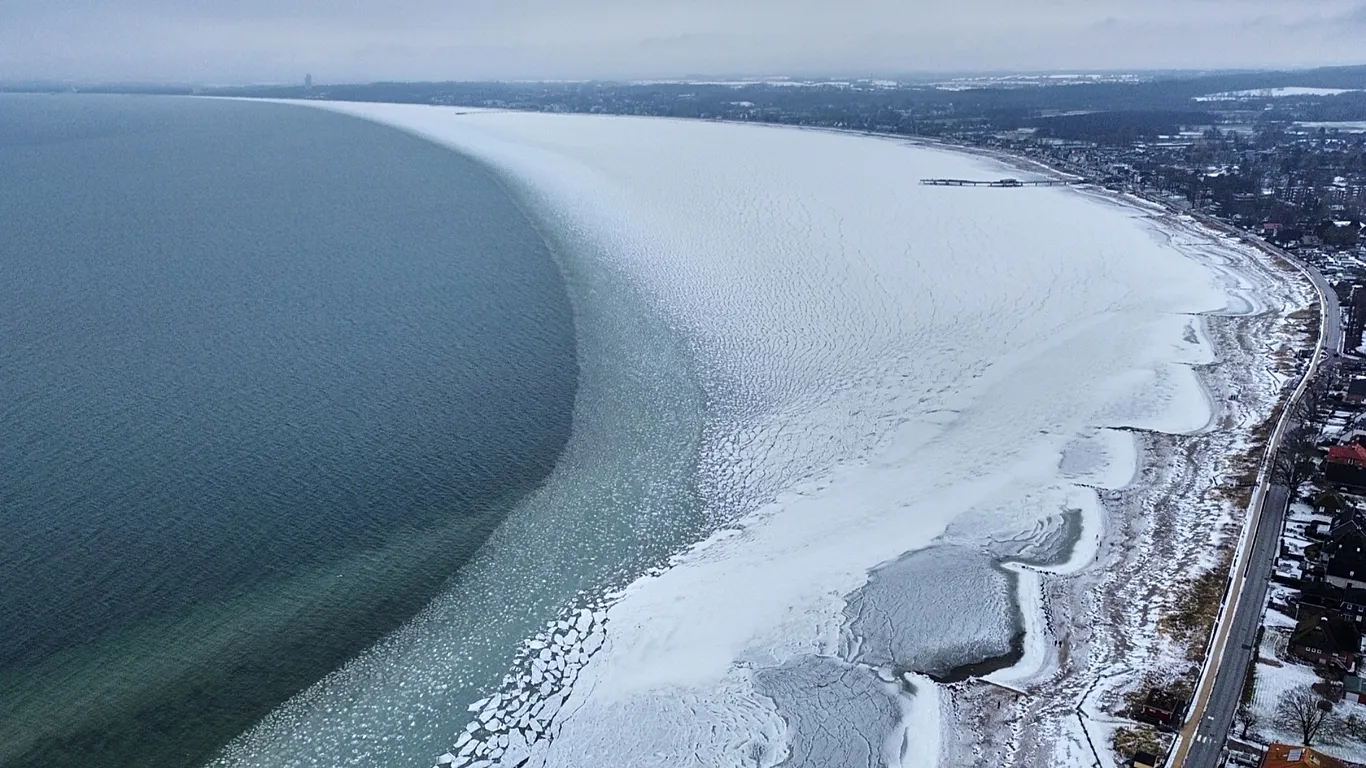
Long subjected to intense human pressure, the Baltic Sea has become one of the world’s largest “dead zones,” where oxygen levels are too low to support most marine life. A new report from the Leibniz Institute for Baltic Sea Research Warnemünde (IOW) highlights that the sea’s condition cannot be improved through simple cause-and-effect solutions, calling instead for more comprehensive and long-term water management strategies.
At the core of the problem is eutrophication, a process in which excess nutrients—primarily nitrogen and phosphorus—enter the water and trigger large-scale algae blooms. These blooms consume oxygen as they decompose, leading to suffocating conditions for marine organisms and, in some cases, contributing to ocean acidification.
The primary sources of these nutrients are human activities, including agricultural runoff, untreated or insufficiently treated wastewater, and industrial discharge. Atmospheric deposition from fossil fuel emissions also adds to the nutrient load. Over time, this has led to widespread oxygen depletion and the formation of so-called dead zones.
Efforts to reduce pollution have had measurable success. Initiatives such as the Baltic Sea Action Plan led by Helsinki Commission (HELCOM) have significantly lowered nutrient inputs since the 1980s, with phosphorus levels dropping by around 50 percent and nitrogen by roughly 30 percent. Despite this progress, scientists report no meaningful improvement in surface water quality.
One reason is the Baltic Sea’s unique physical structure. As a brackish and highly stratified body of water, it consists of lighter, less salty surface water sitting above denser, saltier layers. This layering prevents oxygen from easily reaching deeper waters, allowing oxygen depletion to persist. Occasional inflows of oxygen-rich saltwater from the North Sea can temporarily improve conditions, but these events are rare and short-lived.
Climate change is compounding the issue. Rising water temperatures—by nearly 2°C in some areas since 1960—reduce the sea’s ability to absorb oxygen and accelerate biological processes that consume it. Warmer conditions also increase the likelihood and severity of dead zones.
However, scientists emphasize that legacy pollution plays a crucial role. Nutrients accumulated over decades remain trapped in sediments and can be released back into the water under low-oxygen conditions. This creates a feedback loop in which oxygen depletion leads to further nutrient release, sustaining the cycle of eutrophication even as external inputs decline.
Research shows that only a fraction of phosphorus can be permanently removed from the system, meaning the Baltic Sea carries a long-term “nutrient debt” from past human activity. This helps explain why reductions in pollution have not yet translated into visible recovery.
To address these challenges, researchers are calling for a combination of strategies. These include further reducing nutrient inputs, restoring natural coastal ecosystems such as wetlands and estuaries that can filter pollutants, and expanding nature-based solutions like seagrass restoration and mussel reef development to absorb excess nutrients.
The report also stresses the importance of improved monitoring systems, including advanced sensors, to better track changes and respond quickly to emerging risks.
Scientists conclude that while recovery is still possible, it will require sustained, coordinated efforts and a recognition that the Baltic Sea’s problems are deeply interconnected and slow to reverse.