
Banana Farmers Struggle Daily with Climate Change as Report Warns of Major Crop Threats
Banana farmers around the world are increasingly facing severe challenges due to climate change, with a new report warning that key growing regions could become unsuitable for production in the coming decades.
According to research by the Christian Aid, up to 60 percent of the most suitable banana-growing areas in Latin America and the Caribbean could disappear by 2080 as a result of rising temperatures and extreme weather events. This region currently supplies around 80 percent of the world’s exported bananas, making it vital to global food systems.
Experts say farmers are already experiencing the effects. Anna Pierides explained that growers are dealing with increasingly unpredictable conditions, including extreme heat, heavy rainfall, hurricanes, and a surge in pests and plant diseases.
Bananas are not only one of the world’s most popular fruits but also a critical food source. More than 400 million people rely on them for between 15 and 27 percent of their daily calorie intake, making bananas the fourth most important global food crop after wheat, rice, and maize.
Climate change damaging banana production
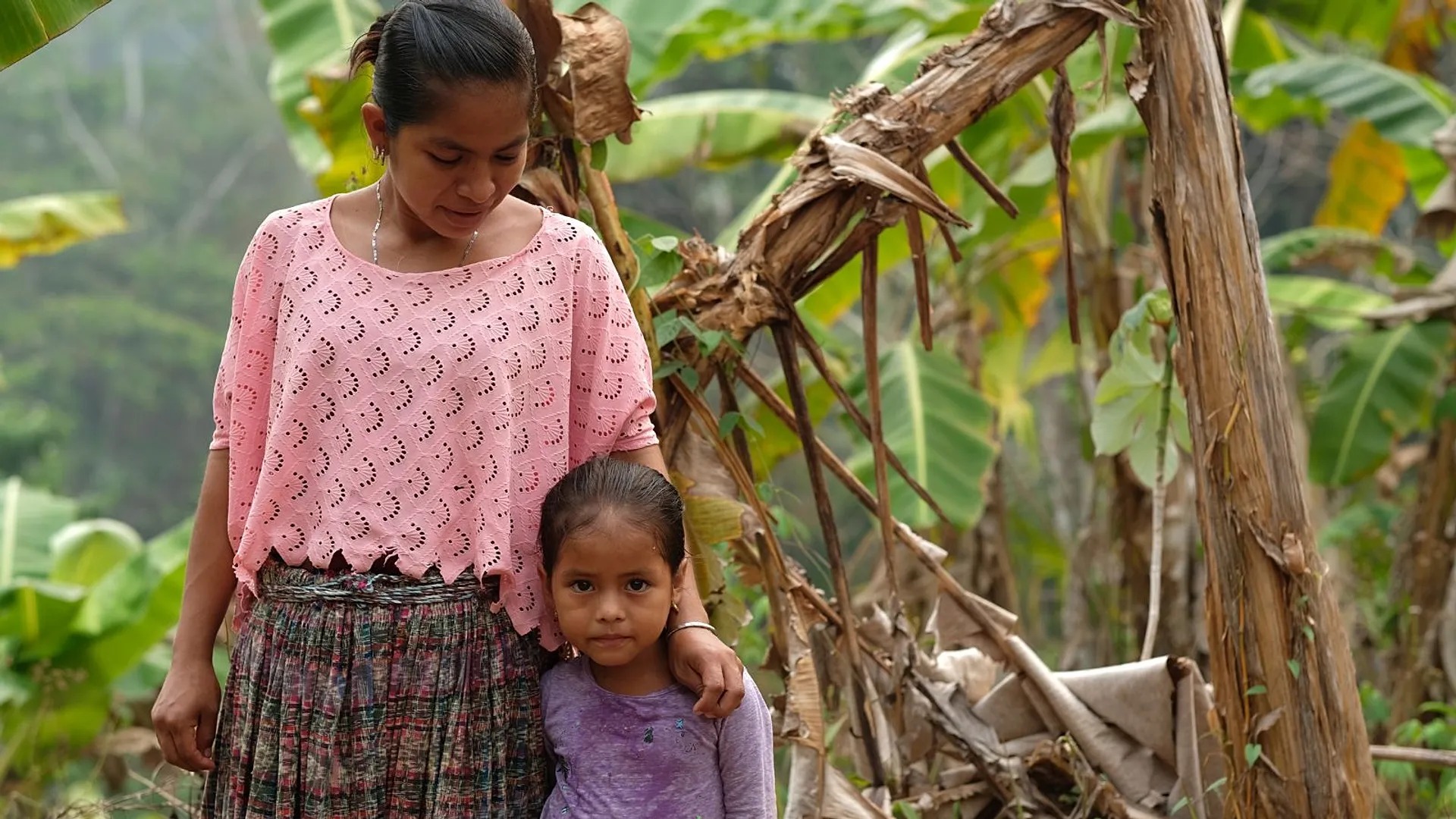
Farmers on the ground are already witnessing serious impacts. Aurelia Pop Xo, a banana farmer in Guatemala, described how climate change has devastated her crops, leaving her without income as plantations fail.
Banana plants require specific growing conditions, typically between 15°C and 35°C, and are particularly sensitive to both drought and excessive rainfall. Extreme weather events are increasingly disrupting these conditions.
Storms can tear apart banana leaves, limiting the plant’s ability to photosynthesise, while rising temperatures are encouraging the spread of fungal diseases. One of the most concerning threats is Fusarium Tropical Race 4 (TR4), a soil-borne fungus capable of wiping out entire plantations.
Holly Woodward-Davey warned that without major changes, the dominant Cavendish banana variety could face widespread destruction from this disease. TR4 has already been detected in major exporting countries such as Colombia and Peru.
In Guatemala, prolonged heatwaves have caused banana plants to collapse and die, with farmers noting that conditions once predicted for the future are now happening much sooner than expected.
Calls for action from governments and consumers
The report urges action at multiple levels to protect both banana production and the livelihoods of farmers. It stresses that wealthier, high-emission countries must significantly reduce greenhouse gas emissions to address the root causes of the climate crisis.
Osai Ojigho highlighted upcoming national climate plans under the Paris Agreement as a critical opportunity for governments to accelerate the shift toward clean energy and ensure climate finance reaches vulnerable communities.
There are also calls for increased financial support for farmers, helping them adapt to changing environmental conditions through improved agricultural practices and resilience strategies.
Consumers are encouraged to contribute by purchasing Fairtrade bananas, which ensure farmers receive better compensation, and by choosing organic produce to reduce reliance on chemical fertilizers that harm ecosystems and contribute to emissions.
The need for greater crop diversity
The report also raises concerns about the heavy global dependence on a single banana variety: the Cavendish. This widely consumed banana is genetically uniform because it is propagated through cloning, making it particularly vulnerable to disease.
Historically, another variety, Gros Michel, dominated global markets until it was devastated by Panama disease in the mid-20th century. Scientists now fear that the Cavendish could face a similar fate due to TR4.
Researchers argue that increasing genetic diversity is essential for the future of banana production. Exploring lesser-known banana varieties and investing in innovations such as gene editing could help develop crops that are more resilient to climate change and disease.
Experts say that without decisive action, both environmental pressures and biological threats could significantly disrupt one of the world’s most important food sources in the coming decades.