
Bill Gates Calls for Shift in Climate Focus Toward Human Welfare
Technology entrepreneur Bill Gates has urged a major shift in how the world approaches the climate crisis, arguing that efforts should focus more on improving human well-being rather than solely limiting global temperatures.
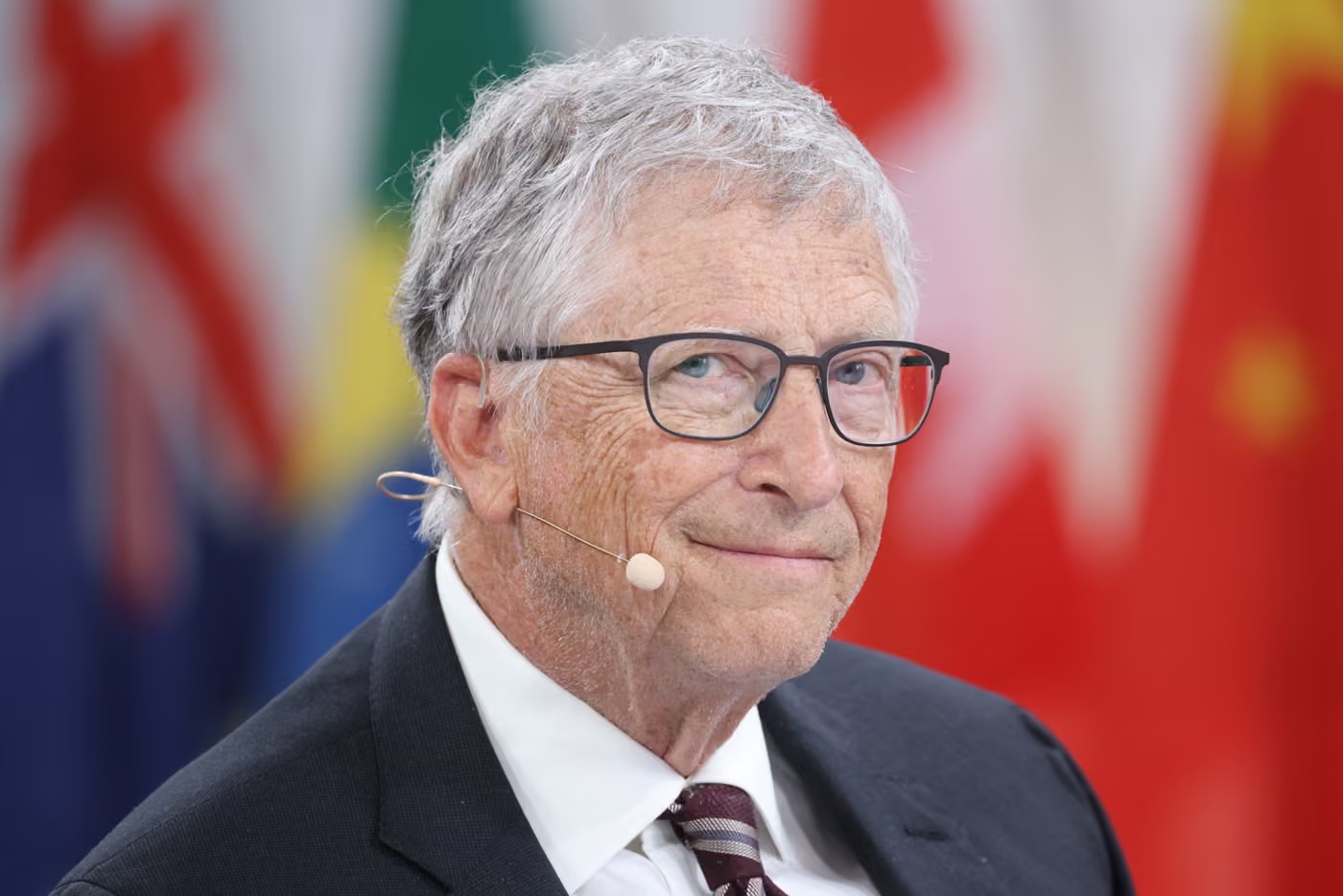
In a recent statement, Gates criticised what he described as an overly pessimistic narrative around climate change, suggesting that current strategies place too much emphasis on short-term emissions targets. Instead, he called for prioritising solutions that address poverty, disease, and overall quality of life.
His remarks came shortly after the United Nations warned that the world is likely to exceed the critical 1.5°C warming threshold, a key benchmark set under the Paris climate agreement.
Gates acknowledged that climate change will have serious consequences, particularly for vulnerable populations, but argued that it will not lead to the collapse of human civilisation. He stated that most regions will remain habitable and that people will continue to adapt and live in changing conditions.
Looking ahead to the COP30 summit, Gates suggested that global leaders should rethink their priorities. He proposed that improving living conditions—especially for the world’s poorest communities—should become a central metric alongside emissions reductions.
According to Gates, while climate change will disproportionately affect low-income populations, it is not the only or even the most immediate threat they face. Issues such as infectious diseases, lack of healthcare, and extreme poverty remain more urgent in many parts of the world.
However, this perspective contrasts with warnings from António Guterres, who has stressed that exceeding the 1.5°C limit could trigger severe and potentially irreversible consequences. These include climate tipping points such as the collapse of major ecosystems like the Amazon rainforest and polar ice sheets.
Guterres has called for rapid and significant reductions in emissions to minimise long-term damage, warning that failure to act decisively could intensify global risks.
The differing viewpoints highlight an ongoing debate in climate policy: whether the primary focus should remain on preventing environmental thresholds or shift toward adapting to impacts while addressing broader human challenges.