
Bill Gates says climate crisis won’t lead to humanity’s collapse, urges focus on improving lives
Bill Gates has called for a shift in how the global community approaches the climate crisis, arguing that efforts should place greater emphasis on improving human well-being rather than focusing primarily on short-term emissions targets.
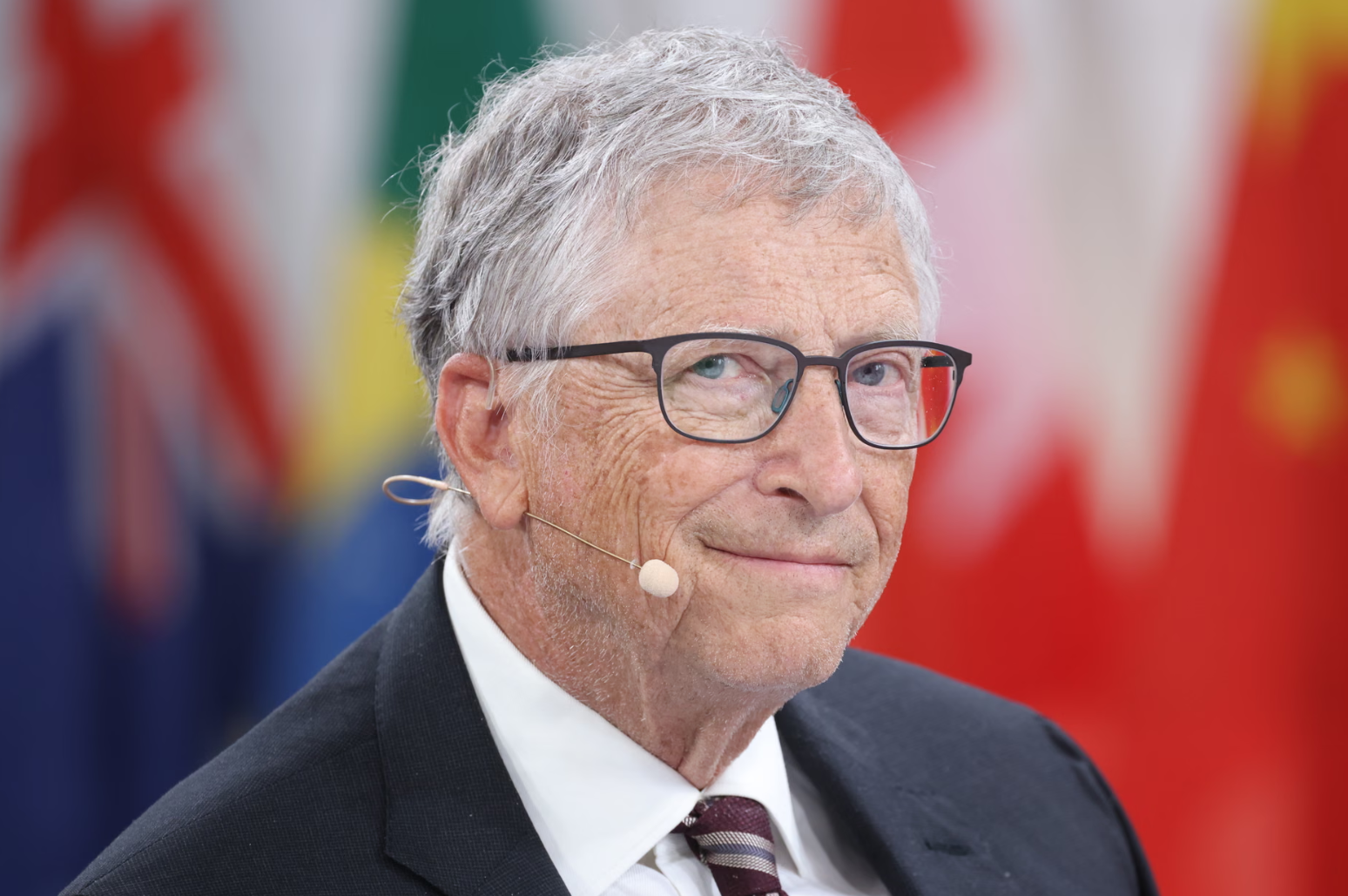
Writing on his personal platform, Gates suggested that what he described as a “doomsday narrative” around climate change may be overstated. While acknowledging that global warming will have serious consequences—especially for poorer populations—he said it is unlikely to lead to humanity’s collapse.
His remarks came shortly after the United Nations warned that the world is on track to exceed the 1.5°C warming threshold, raising concerns about severe environmental and societal impacts. In contrast, Gates argued that the most immediate and pressing challenges for many people remain poverty and disease.
He proposed a “strategic pivot” in global priorities, suggesting that resources should be directed toward interventions that deliver the greatest improvements in quality of life, particularly in vulnerable communities. According to Gates, while climate change will worsen living conditions, it is often not the primary threat facing those populations.
Gates also pointed to the upcoming COP30 as an opportunity for leaders to reconsider their approach and focus more broadly on human development outcomes alongside climate goals.
His perspective contrasts with that of António Guterres, who has warned that exceeding the 1.5°C limit could trigger severe and potentially irreversible impacts. Guterres highlighted risks such as climate tipping points in critical systems including the Amazon rainforest, Greenland’s ice sheet, and coral reef ecosystems.
The UN chief stressed the need for urgent emissions reductions to minimize the duration and severity of any temperature overshoot, warning that failure to act could lead to widespread environmental and economic disruption.
The differing views reflect an ongoing debate about how best to balance climate mitigation with broader development priorities, particularly in regions most vulnerable to both environmental change and socioeconomic challenges.