
Bill Gates Urges Shift in Climate Strategy Toward Human Welfare and Innovation
Bill Gates has called for a major rethink in the global approach to climate change, suggesting that efforts should move beyond a primary focus on reducing emissions and instead prioritize alleviating human suffering, particularly in the world’s poorest regions.
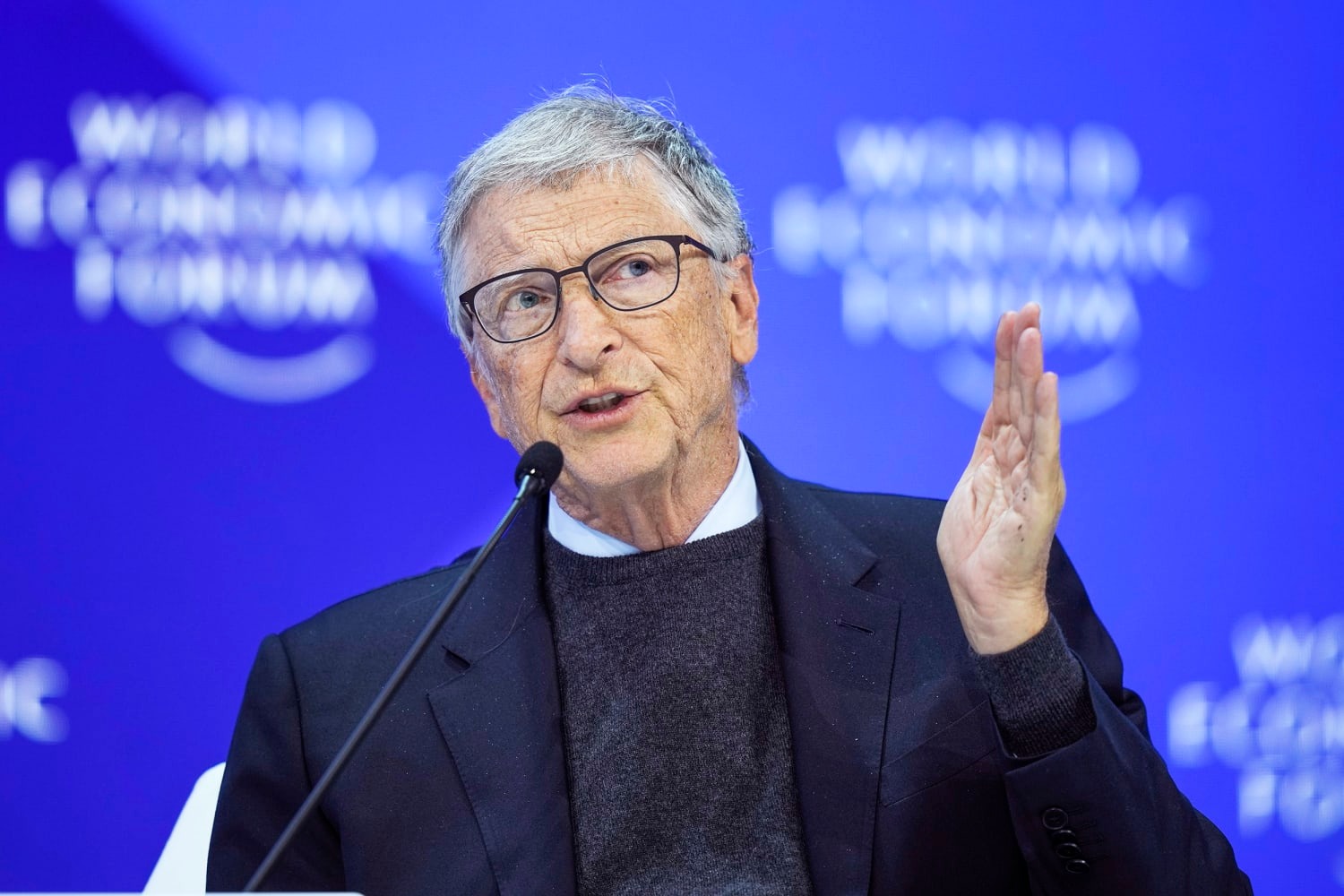
In a memo released ahead of a United Nations climate conference in Brazil, the billionaire philanthropist argued for what he described as a “strategic pivot” in climate policy. Rather than concentrating mainly on limiting temperature increases, Gates believes more attention should be given to improving health outcomes, reducing poverty, and strengthening resilience in vulnerable communities.
While acknowledging that climate change is a serious challenge, Gates rejected the idea that it poses an existential threat to civilization. He expressed confidence that scientific progress and technological innovation will play a key role in managing its long-term impacts.
Gates warned that an overly pessimistic view of climate change has led policymakers to focus heavily on short-term emissions reductions, potentially diverting resources from initiatives that could more directly improve lives in a warming world. He emphasized that the global priority should be minimizing human suffering.
“If faced with a choice between eliminating malaria or allowing a slight increase in global temperatures, I would prioritize saving lives,” Gates said, highlighting the urgency of addressing current health crises in developing countries.
Much of Gates’ work is now centered on the Bill & Melinda Gates Foundation, which has invested billions of dollars in global health, education, and development programs, including efforts to combat diseases such as HIV/AIDS, tuberculosis, and malaria. He also founded Breakthrough Energy in 2015 to accelerate innovation in sustainable energy technologies.
The 17-page memo aims to influence international climate discussions and encourage leaders to reconsider how limited funding is allocated. Gates questioned whether current spending priorities are effectively addressing the most urgent global challenges.
He acknowledged that his position may spark debate. “If you think climate change isn’t important, you won’t agree with this. If you think it’s the only issue and entirely catastrophic, you also won’t agree,” he said, describing his perspective as a pragmatic attempt to maximize impact in poorer nations.
However, many scientists have pushed back against his framing. Experts stress that even small increases in global temperatures can significantly intensify extreme weather, accelerate biodiversity loss, and increase the likelihood of crossing irreversible climate tipping points.
Kristie Ebi of the University of Washington agreed that improving human well-being should remain central but criticized the assumption that technological progress alone can offset climate risks. She argued that real-world conditions are far more complex.
Similarly, Jeffrey Sachs from Columbia University dismissed the memo as unclear and unnecessary, stating that reducing poverty and tackling climate change are not mutually exclusive goals. He emphasized that both objectives can be achieved simultaneously with sufficient political will.
Other researchers offered more balanced perspectives. Chris Field of Stanford University said the discussion about climate priorities is valid but stressed the importance of maintaining both short-term and long-term strategies.
Michael Oppenheimer from Princeton University raised concerns about the environmental dimension, noting that climate change is already causing significant damage to ecosystems. He questioned whether humanity can focus solely on human development without addressing the broader impacts on the natural world.
Despite advocating for a shift in priorities, Gates acknowledged in his memo that even small increases in temperature matter. He noted that a stable climate ultimately supports efforts to improve global living conditions.
The debate sparked by Gates’ proposal highlights ongoing tensions within the climate community over how best to balance immediate human needs with long-term environmental goals. As world leaders prepare for upcoming climate negotiations, his call for a more pragmatic and human-centered approach is likely to remain a point of contention.