
Climate Adaptation Becomes Political Battleground as Impacts Intensify
As the effects of climate change become increasingly visible, experts argue that the global conversation must shift from simply preventing future warming to actively managing its current impacts—and deciding who bears the cost.
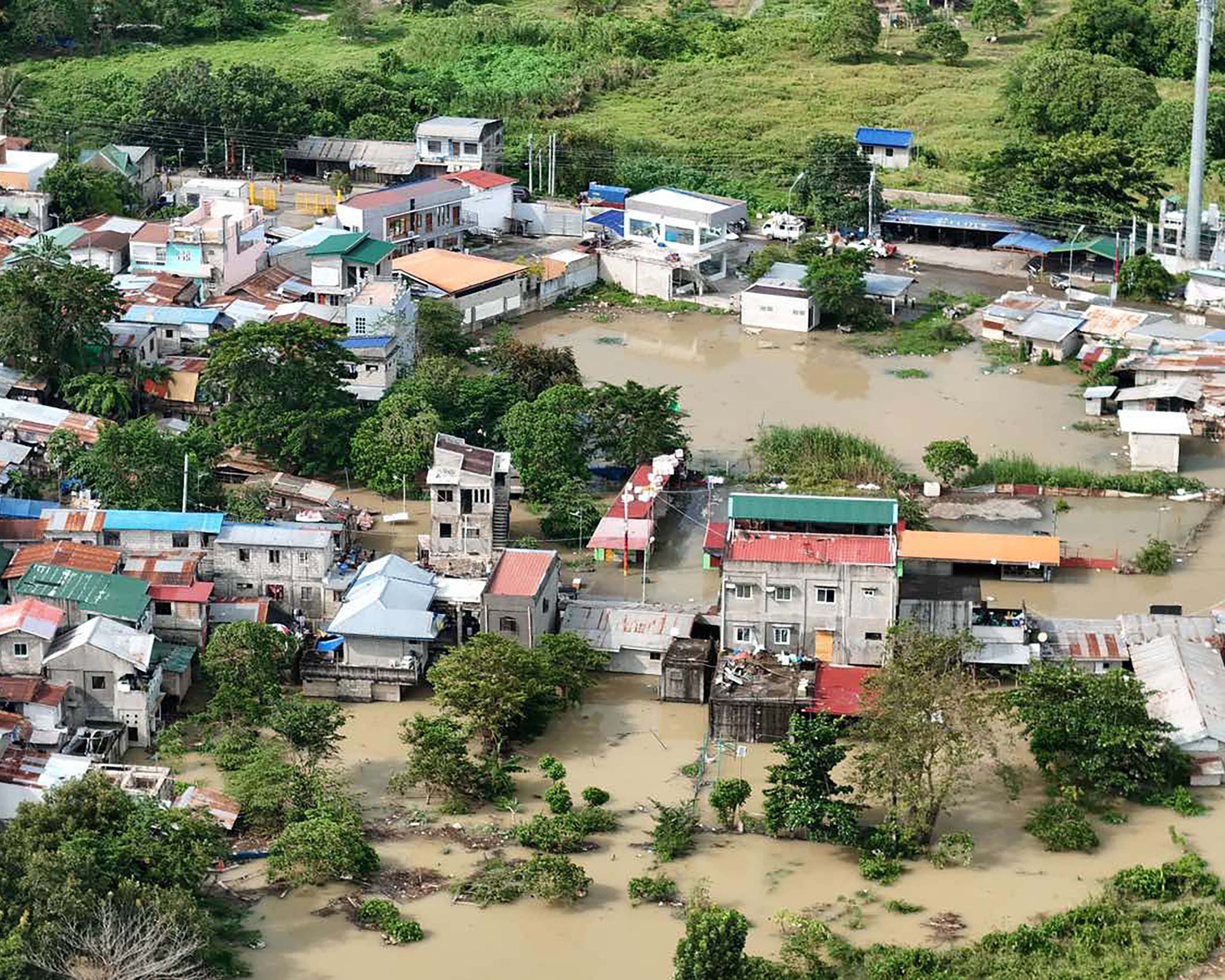
For decades, climate policy has focused primarily on reducing carbon emissions to avoid long-term catastrophe. However, with climate impacts already disrupting daily life, adaptation is emerging as a central challenge that extends far beyond technical solutions.
Rising temperatures, extreme weather, and environmental changes are now influencing key sectors such as housing, insurance, water management, and labour markets. These impacts are forcing governments and societies to reconsider how institutions are structured and who they protect.
Traditionally, adaptation efforts have centred on infrastructure—building sea walls, improving flood defences, and reinforcing buildings. But researchers say this approach overlooks deeper political questions about fairness, access, and responsibility.
For example, policymakers must decide whether private insurance markets should continue to operate freely in high-risk areas or whether governments should step in to provide support. Similarly, debates are growing around whether disaster aid should prioritise property owners or ensure broader, more equitable recovery systems.
These issues are already emerging in real-world crises. In the United States, rising climate risks have led insurers to withdraw coverage in vulnerable regions, while prolonged droughts have forced governments to intervene in water allocation. Workers have also begun pushing for protections against extreme heat conditions.
Experts say these developments show that climate adaptation is not just an environmental issue but a political one, involving competing visions of how society should function under increasing pressure.
While climate mitigation policies have evolved into major political debates over energy systems and economic models, adaptation has largely remained framed as a technical challenge handled by experts. Analysts argue this must change, as decisions about adaptation will shape inequality, economic stability, and social resilience.
Rather than introducing entirely new challenges, climate change is intensifying existing problems—such as housing affordability, labour conditions, and disaster recovery. As a result, adaptation policies are becoming intertwined with broader social and economic struggles.
Different approaches are already being proposed. Some advocate for market-based solutions that encourage people to move away from high-risk areas, while others call for stronger public intervention to support communities and maintain stability.
Ultimately, experts agree that adaptation is unavoidable. The key question is no longer whether societies will need to transform in response to climate change, but how those transformations will be designed—and whose interests they will serve.