
Climate Change Driving Increase in Extreme Rainfall Across Northeastern US, Study Finds
Recent research indicates that climate change is significantly intensifying heavy rainfall events in the northeastern United States, making extreme downpours more frequent and severe.
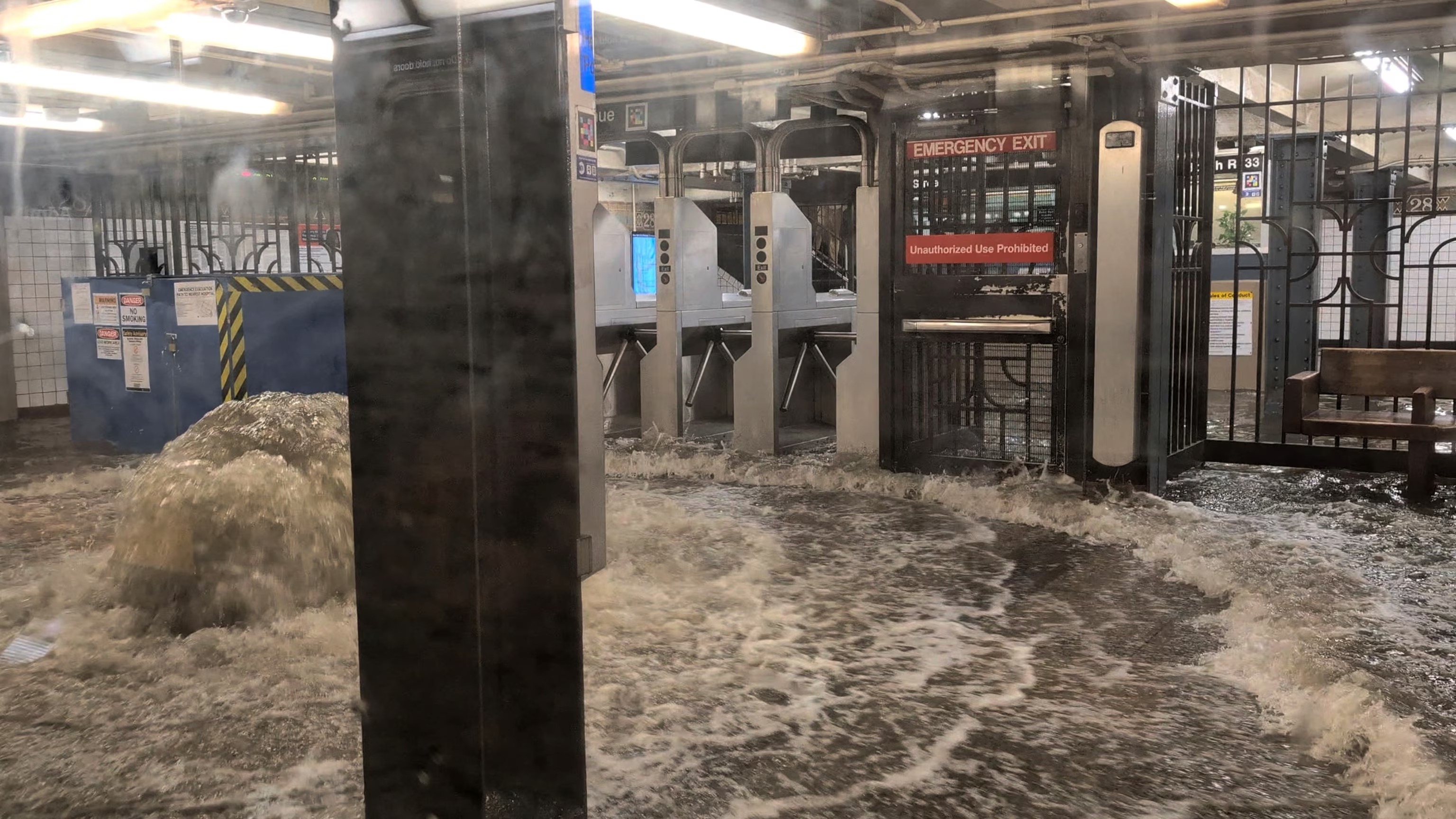
According to findings from the U.S. government’s Fifth National Climate Assessment, the region has experienced the sharpest rise in extreme precipitation across the country, with such events increasing by around 60 per cent over recent decades. These extreme events are defined as the heaviest one per cent of daily rainfall occurrences.
Although scientists caution that no single weather event can be attributed solely to climate change, they emphasise that rising global temperatures are amplifying natural weather patterns. This results in more intense storms, such as the recent torrential rainfall that struck the Northeast.
In New York City, Central Park recorded approximately 2.07 inches (5.26 cm) of rain within a single hour, marking one of the highest hourly totals since records began in 1943. According to the National Weather Service, this level of rainfall corresponds to what is considered a “1-in-20-year” event, meaning there is about a 5 per cent chance of it occurring in any given year.
The record for the most rainfall in one hour at the location remains the 3.15 inches recorded in September 2021, when the remnants of Hurricane Ida caused widespread flooding and led to multiple fatalities.
Widespread disruption and damage
The intense rainfall led to severe flooding across parts of New York and neighbouring New Jersey. Subway systems were inundated, with water pouring onto platforms and into train carriages. In some areas, sewage systems overflowed, further worsening the situation, according to local transit authorities.
Across northern and central New Jersey, rainfall totals ranged from one to five inches, with the highest measurements recorded near Plainfield. Floodwaters forced the closure of numerous roads and disrupted rail services, including Metro-North and New Jersey Transit lines.
Tragically, at least two people lost their lives after their vehicle was swept away by rising waters in the Cedar Brook river in Plainfield.
Climate change intensifying rainfall patterns
Climate scientists say that human-driven warming is making extreme rainfall events both more frequent and more intense. As the atmosphere warms, it is able to hold more moisture, leading to heavier downpours when storms occur.
This increase in rainfall intensity also raises the risk of flash flooding, particularly in urban areas where infrastructure may not be designed to cope with such sudden and large volumes of water.
The National Climate Assessment also highlights that nearly 70 per cent of the United States has experienced an increase in the frequency and intensity of the heaviest precipitation events due to climate change.
Experts warn that unless emissions are reduced and adaptation measures are strengthened, such extreme weather events are likely to become even more common in the future.