
Climate Crisis Driving Food Price Surges, Threatening Global Stability
A new report warns that climate change is increasingly driving spikes in global food prices, putting the world’s poorest populations at risk of hunger, instability, and social unrest.
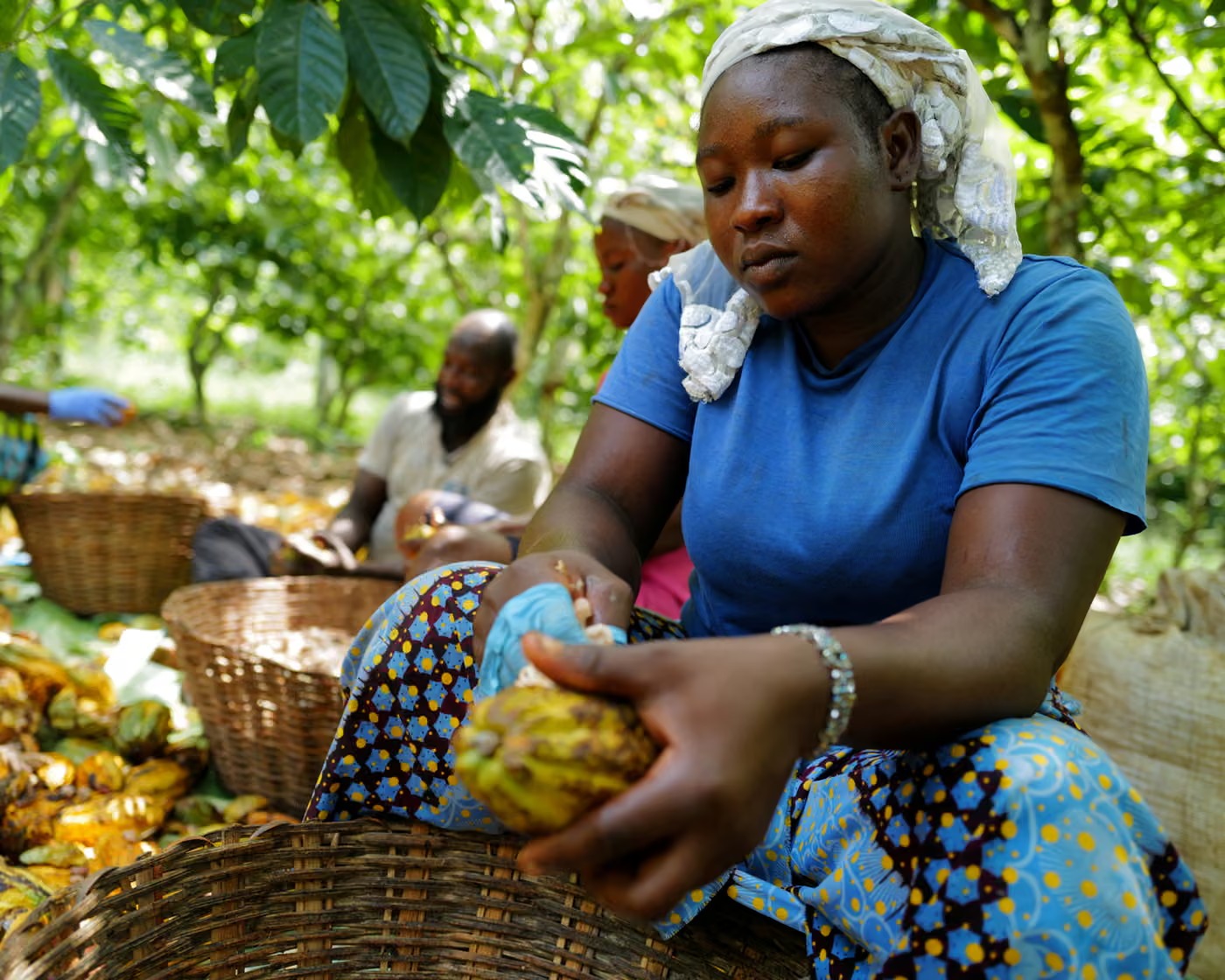
Researchers found that extreme weather events—including heatwaves, droughts, and heavy rainfall—are disrupting agricultural production across multiple countries. These disruptions have already led to sharp price increases in key food items such as potatoes in the UK, onions in India, cabbages in South Korea, and cocoa in West Africa.
In some cases, the impact has been dramatic. Following severe drought conditions in Ghana and Ivory Coast, which produce around 60% of the world’s cocoa, global cocoa prices surged by as much as 300%.
The report highlights that rising food prices have serious consequences beyond agriculture. For low-income households, higher costs often mean cutting back on nutritious foods like fruits and vegetables, increasing the risk of long-term health problems such as diabetes and heart disease.
Economically, food price shocks can drive inflation, making it harder for governments to stabilise economies and reduce interest rates. Researchers also note that inflation linked to food costs can influence political outcomes, including elections, as rising living costs affect public sentiment.
The study examined climate-related price spikes across 18 countries between 2022 and 2024, finding a clear link between extreme weather and food market volatility. Experts warn that these effects will intensify unless global emissions are reduced significantly.
Scientists emphasize that until net-zero emissions are achieved, extreme weather will continue to damage crops and disrupt supply chains, pushing food prices even higher worldwide.
They also caution that food insecurity can trigger wider consequences, including protests, political instability, and conflict, as seen in past events where sudden price increases led to social unrest.
Overall, the report underscores that climate change is no longer just an environmental issue but a growing economic and humanitarian crisis affecting global food systems and stability.