
Climate Crisis Hits Daily Life in America as Changes Become ‘Swift and Stark’
The climate crisis is no longer a distant or abstract threat in the United States.
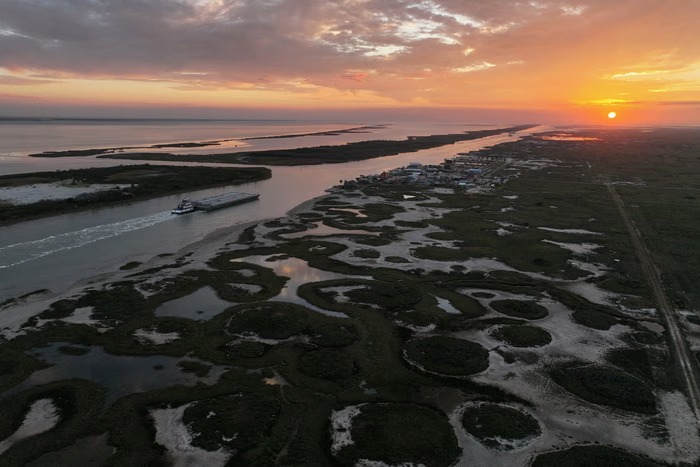
According to personal accounts shared by citizens, its effects are increasingly visible in everyday life – from disappearing winters to water shortages and declining wildlife.
Across the country, record-breaking heat, wildfires and extreme weather have already made headlines. But beyond these major events, more subtle yet profound changes are reshaping how people live, work and interact with nature.
In the Pacific Northwest, warmer temperatures are altering long-standing seasonal patterns. Winters that once brought heavy snowfall are now milder, with precipitation increasingly falling as rain. For many families, this means younger generations are growing up without experiencing the snowy landscapes that defined previous decades.
Water scarcity is also becoming a serious concern. Along the Appalachian Trail, hikers have reported dried-up streams in areas that were historically rich in water. In some cases, natural water sources have disappeared for long stretches, forcing people to rely on unsafe or limited alternatives.
Agriculture and home gardening are being disrupted as well. In parts of California, shifting temperatures and unpredictable weather patterns are shortening growing seasons. Crops that once thrived are failing due to heatwaves, unexpected frosts or reduced pollination. As a result, growers are increasingly turning to more climate-resilient plant varieties.
Biodiversity loss is another visible impact. Long-time observers of nature report declining numbers of birds, butterflies and other species. These changes reflect broader global trends, where ecosystems are under pressure from rising temperatures, habitat loss and environmental degradation.
These personal stories highlight how climate change is not only transforming the environment but also affecting cultural memories, livelihoods and emotional connections to nature. For many, the loss is not just physical but deeply psychological, tied to disappearing experiences and landscapes.
Despite the challenges, some individuals are adapting by changing their habits, adjusting agricultural practices or seeking new ways to coexist with shifting conditions. However, the accounts collectively underline a broader reality: the impacts of climate change are accelerating and becoming harder to ignore.