
Climate Crisis Intensifies UK Flooding, Raising Fears Homes May Be Abandoned
Climate Crisis Intensifies UK Flooding, Raising Fears Homes May Be Abandoned
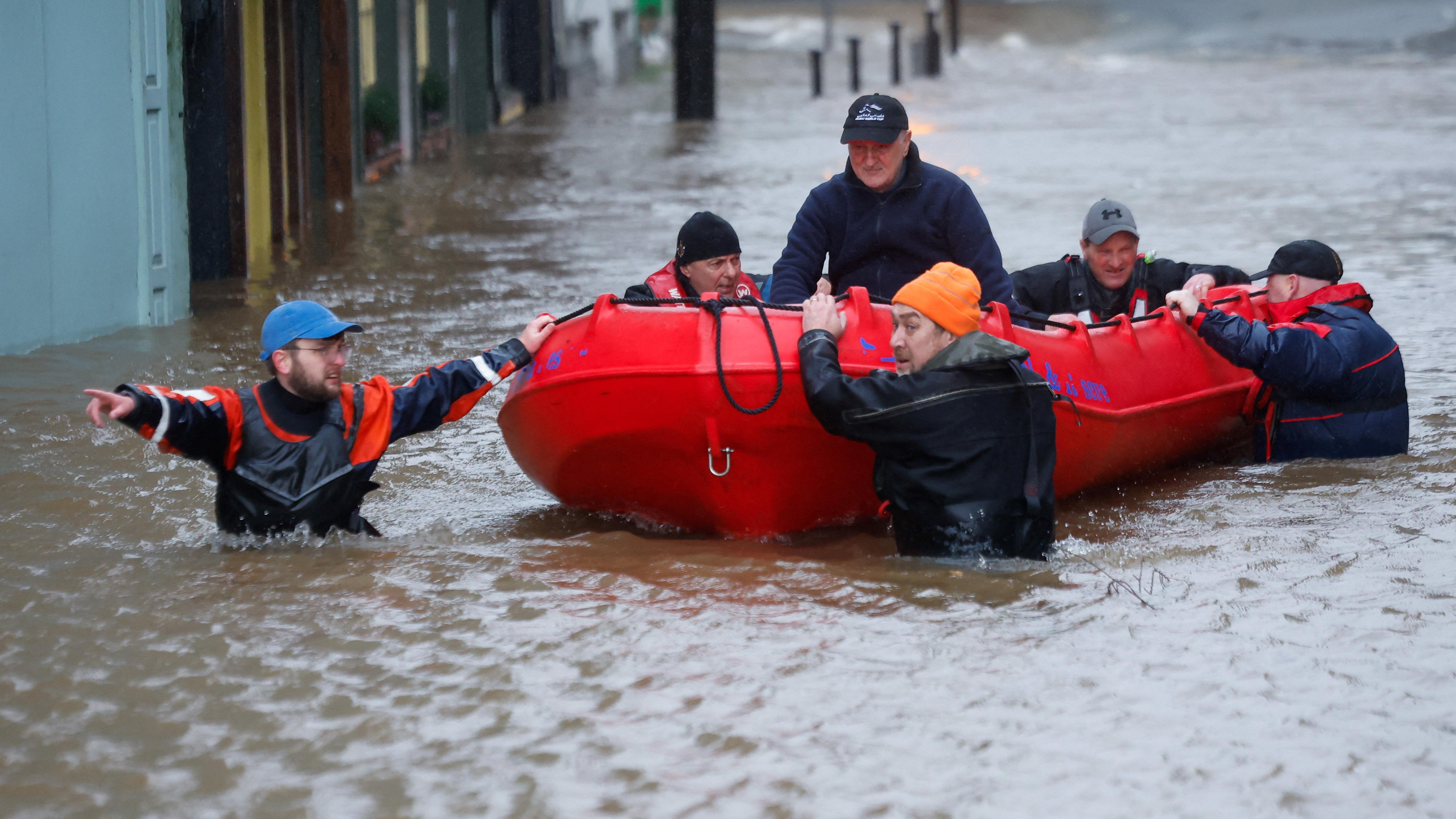
Recent storms have brought widespread flooding to south-west England, overwhelming rivers, cutting off communities, and forcing evacuations. What once took weeks to unfold is now happening in just days, highlighting how rapidly conditions are changing.
Experts say winter rainfall patterns in the UK are already behaving as climate models predicted for the 2040s—meaning the country is effectively 20 years ahead of projections. Warmer air holds more moisture, leading to heavier and more intense downpours.
The intensity of storms has also increased, with rainfall events becoming around 20 per cent more severe. Scientists directly link these changes to rising greenhouse gas concentrations caused by fossil fuel use, warning that conditions will continue to worsen without significant emissions reductions.
For residents in flood-prone areas such as Somerset, the consequences are already severe. Homes and businesses have been inundated, infrastructure disrupted, and entire communities left dealing with repeated cycles of damage and recovery.
Climate researchers warn that adaptation efforts are not keeping pace with the speed of change. Flood defences, drainage systems, and emergency responses are often underfunded, outdated, or reactive rather than preventative.
Government data indicates that millions of properties in England are already at risk of flooding, with projections suggesting this number could rise significantly by 2050. Similar vulnerabilities are emerging across the UK and wider Europe.
In some cases, the long-term outlook is becoming increasingly stark. Experts say that if current trends continue, certain low-lying communities may eventually have to be abandoned due to the growing difficulty and cost of maintaining flood protection.
Scientists emphasize that the challenge is no longer about preventing climate impacts entirely, but learning how to live with them. This includes investing in resilient infrastructure, adopting nature-based solutions, and preparing for a future where extreme weather is the norm rather than the exception.
The situation underscores a broader reality: climate change is no longer a distant threat but an immediate and escalating crisis affecting communities today.