
Climate Crisis Slows Whale Birth Rates, Scientists Issue Warning
A new study has revealed that climate change is now affecting the reproduction of Southern right whale populations, raising serious concerns among scientists about the future of marine ecosystems.
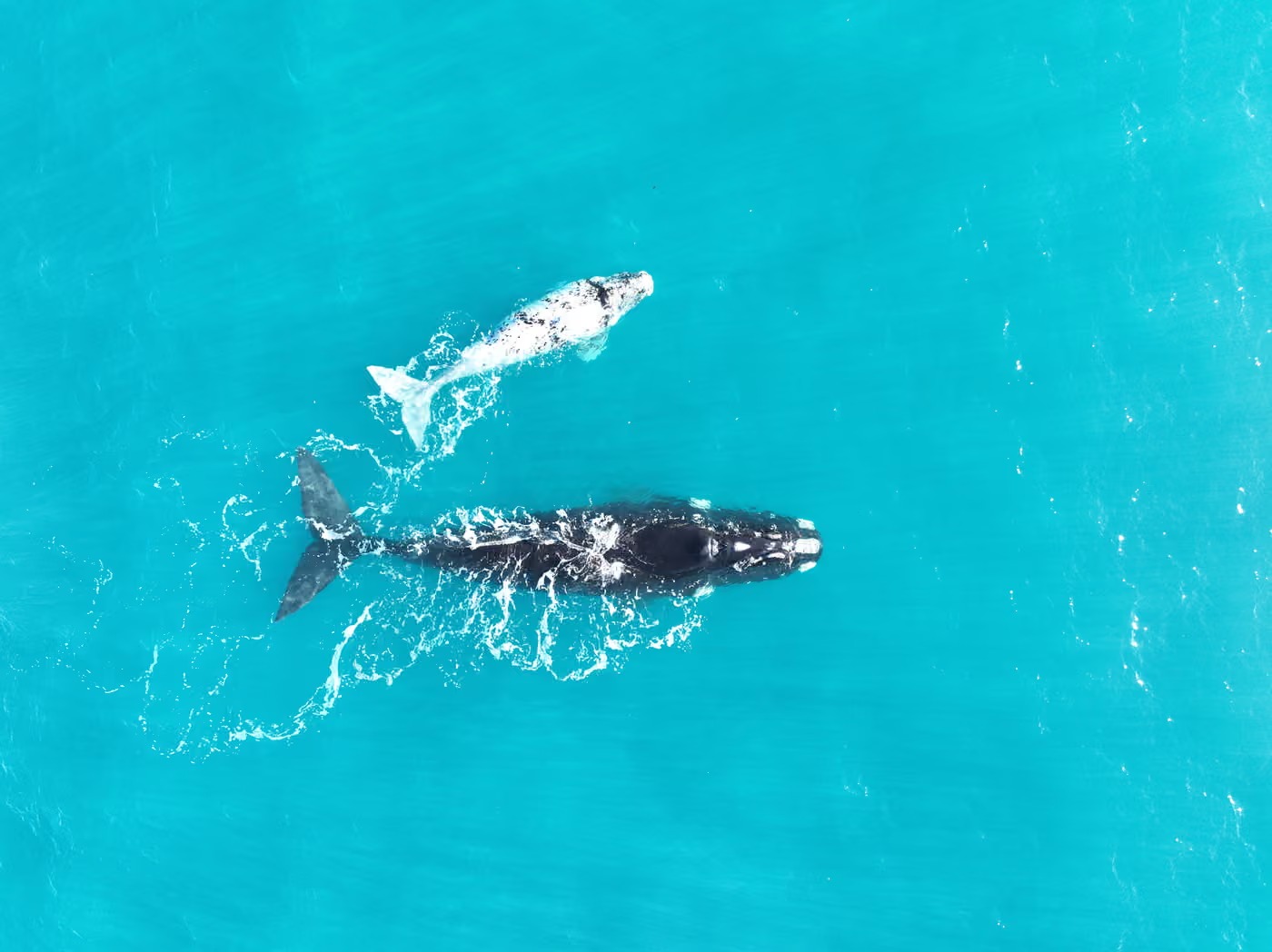
After decades of recovery from near extinction caused by commercial whaling, researchers have observed a troubling shift in breeding patterns. Female whales, which once gave birth every three years, are now reproducing less frequently, with intervals extending to four or even five years.
Scientists link this slowdown directly to climate-driven changes in the whales’ feeding grounds in the Antarctic and sub-Antarctic regions. Rising ocean temperatures, melting sea ice, and increasing marine heatwaves are disrupting ecosystems that whales depend on for food.
The research, based on more than 35 years of monitoring in Australia’s Great Australian Bight, found a strong correlation between whale breeding rates and environmental factors such as sea ice extent and prey availability.
Experts warn that this pattern is not isolated. Similar declines in reproduction have been observed in southern right whale populations in South America and South Africa, as well as in other species that rely on krill-rich ecosystems.
Marine biologists describe the findings as a “warning signal” of broader environmental stress in the Southern Ocean. Since whales are long-lived animals with slow reproduction cycles, even small changes in birth rates can have significant long-term impacts on population recovery.
Researchers explain that reproduction is energetically demanding, and when food becomes scarce or environmental conditions worsen, mammals like whales naturally reduce how often they reproduce in order to survive.
Although southern right whale populations in Australia have partially rebounded since whaling bans in the late 20th century, current numbers still represent only a fraction of their historical levels. This makes them particularly vulnerable to ongoing climate pressures.
Scientists stress that long-term monitoring and coordinated conservation efforts are essential to understand how these animals will adapt to a rapidly changing climate. The findings highlight that climate change is not only an environmental issue but also a growing threat to biodiversity worldwide.