
Climate Crisis to Reshape Global Power, Migration and Politics in Coming Decades
Former diplomat Arthur Snell warns that the climate crisis is not only an environmental issue but a powerful force reshaping geopolitics, migration and global stability over the next 20 years.
Drawing on years of experience in conflict zones such as Afghanistan, Iraq and Yemen, Snell argues that rising temperatures are acting as a hidden driver behind many global tensions. While conflicts are often framed around ideology or resources like oil, he suggests that climate pressures are an underlying factor increasingly influencing these crises.
According to Snell, climate change is accelerating shifts in geography that historically took millions of years. These rapid changes are altering access to habitable land, water and critical resources, creating new vulnerabilities for both powerful and smaller nations.
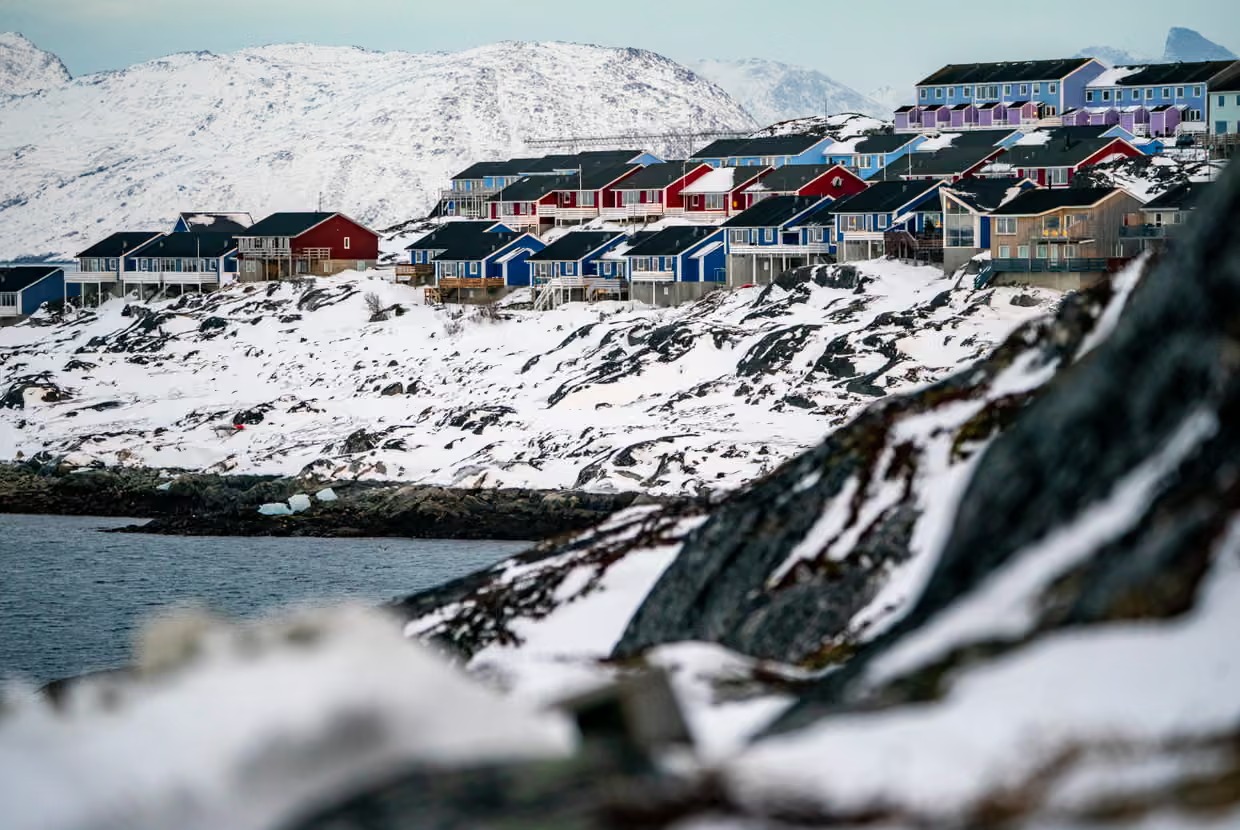
One of the most significant consequences is the growing competition for resources. As some regions become less livable due to extreme heat or drought, others may become more attractive. For example, melting Arctic ice could open new trade routes and expose valuable natural resources, increasing geopolitical tensions between major powers such as the United States and Russia.
Snell also highlights the likelihood of major migration shifts. Unlike traditional migration patterns driven mainly by economic factors, climate-driven migration could involve people relocating due to declining livability in their regions. In some cases, this movement may even occur within developed countries, as areas become too hot or prone to extreme weather.
The report suggests that such migration pressures could fuel political instability and strengthen populist movements, particularly in Europe and the United States. Even relatively small increases in migration could have outsized political impacts in already polarized societies.
In regions like the Middle East, rising temperatures combined with declining demand for fossil fuels could create economic instability. Countries heavily dependent on oil revenues may face both environmental and financial pressures, potentially leading to unrest.
Snell warns that democracies may be particularly vulnerable in this new climate-driven world order. Unlike authoritarian systems, democratic governments must balance long-term climate strategies with short-term electoral pressures, making decisive action more difficult.
Despite these risks, he emphasizes that the situation is not hopeless. While limiting global warming to 1.5°C may no longer be achievable, efforts to reduce emissions remain critical to avoid far more severe outcomes. He argues that abandoning climate action would lead to catastrophic consequences.
The analysis ultimately presents a world in transition, where climate change acts as a catalyst for geopolitical shifts, economic competition and societal change. Governments, particularly in democratic systems, are urged to better prepare for these challenges as the impacts of a warming planet continue to intensify.