
Climate-Driven ‘Shrink-Swell’ Effect Threatens 12 Million Homes in France
More than 12 million properties across France are increasingly at risk as rising global temperatures intensify a geological process known as clay shrink-swell, placing over half of the country’s detached houses in danger.
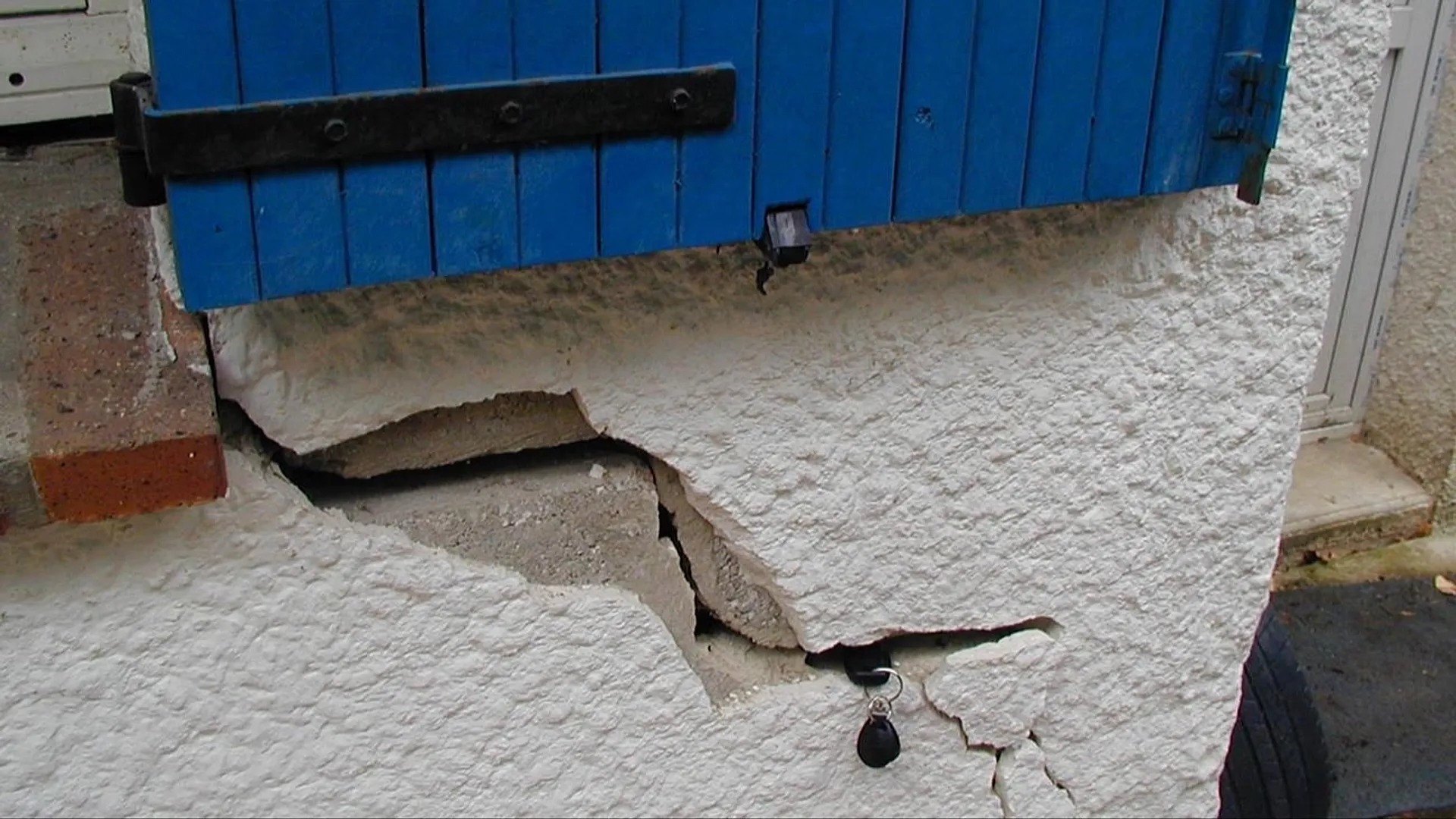
Homeowners are facing serious structural problems such as cracked walls, broken pipes, warped doors and windows—issues linked to the expansion and contraction of clay soils beneath buildings.
This phenomenon, referred to as RGA (Retrait-Gonflement des Argiles), occurs when clay soils dry out and shrink during hot, dry periods, weakening building foundations. When heavy rainfall follows, the soil absorbs water and expands again. Over time, this repeated cycle destabilizes structures, especially in homes built since the 1970s using concrete blocks.
According to the French Ministry of Ecological Transition, around 54% of detached houses in mainland France are exposed to medium or high risk. The financial impact is significant, with annual compensation costs reaching approximately €1 billion under France’s natural disaster insurance scheme.
Regions including Allier, Dordogne, Nord, Tarn, and Alpes-de-Haute-Provence are among the most vulnerable, with nearly three million homes classified as high risk.
Climate change is making the situation worse. Rising temperatures increase both droughts and extreme rainfall events. For every 1°C increase in temperature, the atmosphere can hold about 7% more moisture—leading to heavier and more intense rainfall.
France recently experienced extreme weather on both ends: a severe heatwave pushed temperatures up to 43.4°C, contributing to one of the hottest summers on record, while prolonged heavy rainfall earlier this year caused widespread flooding and forced thousands into emergency shelters.
Experts warn that these alternating extreme dry and wet cycles will likely continue as global warming intensifies, further endangering housing stability across the country.
In response, the French government has introduced the Argile prevention fund, aimed at assessing risks and implementing preventive measures before structural damage occurs.