
‘Climate Whiplash’ Is Disrupting Major Cities Worldwide
A new global study has revealed that cities across the world are increasingly experiencing “climate whiplash” — rapid swings between extreme drought and heavy rainfall — as the climate crisis intensifies.
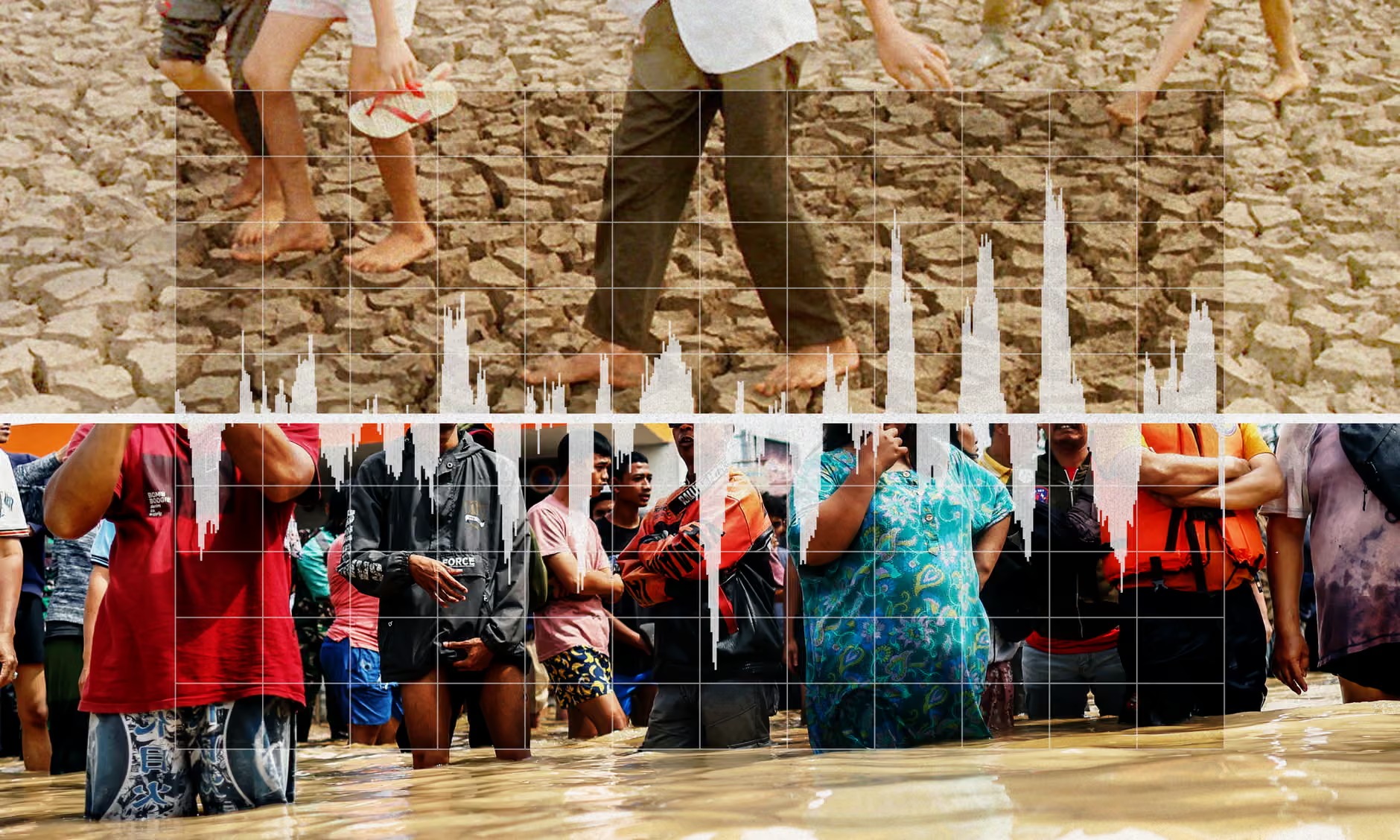
The analysis examined more than 100 major urban areas and found that 95 per cent have become either significantly wetter or drier over recent decades. In many cases, cities have even “flipped” from one extreme to the other, highlighting the growing instability of urban climates.
Cities such as Madrid, Cairo and Riyadh have shifted toward much drier conditions, while others including Lucknow and Surat are facing increasingly intense rainfall.
The phenomenon is driven by rising global temperatures caused by human activity. Warmer air holds more moisture, which can intensify rainfall during wet periods while also accelerating evaporation during dry spells.
Researchers describe this pattern as “global weirding,” reflecting how climate change is making weather patterns more unpredictable and extreme.
The impacts on cities are severe. Extreme swings between wet and dry conditions can overwhelm infrastructure, contaminate water supplies, damage crops and increase the spread of disease. Rapid urbanisation and ageing infrastructure make many cities particularly vulnerable.
Some of the most affected cities include Jakarta, Dallas and Nairobi, where communities face repeated cycles of drought followed by flooding.
Experts warn that these extreme fluctuations are difficult to predict and manage, especially in regions where water systems and infrastructure are already under pressure. The growing unpredictability increases risks to public health, food security and economic stability.
The study highlights the urgent need for cities to strengthen resilience and adapt to a rapidly changing climate, as extreme weather patterns become the new normal.