
COMPOSE Digital Toolbox Supports European Communities in Tackling Climate Change
A new free online platform called the COMPOSE toolbox has been developed to assist local municipalities across Europe in their shift toward renewable energy and climate resilience.
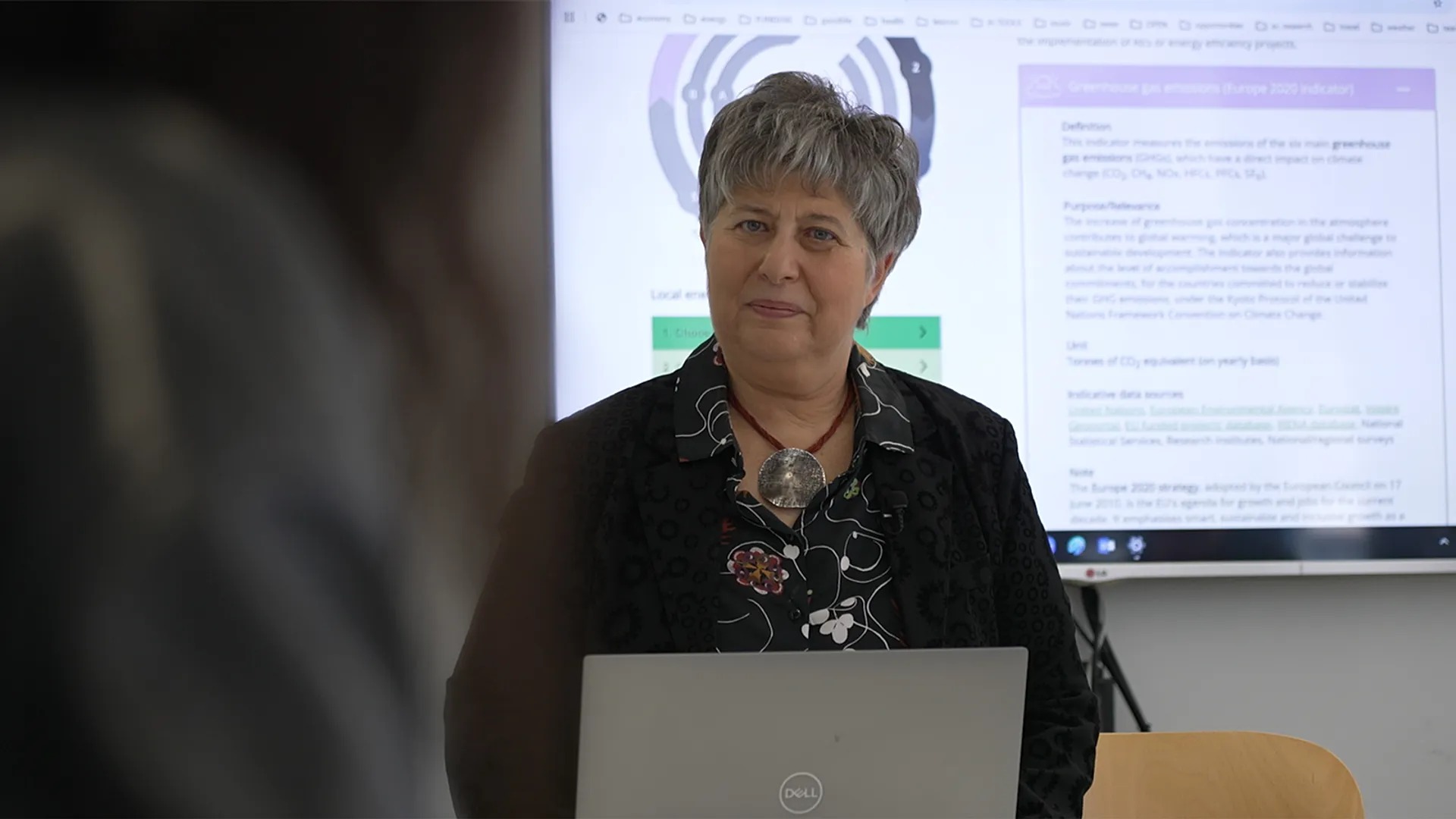
Created by the Technical University of Crete and supported by the European Commission, the tool is specifically designed to help smaller local governments that often lack sufficient financial and technical capacity to design complex energy transition strategies.
The Greek island of Crete, where the project was developed, is often associated with rich mythology and natural beauty. Known as the legendary birthplace of Zeus, it features dramatic mountains reaching nearly 2,500 meters, dense green landscapes, and extensive coastlines. However, beyond its cultural heritage, the island is now facing increasingly serious environmental pressures.
Like many regions in the Mediterranean basin, Crete is becoming more exposed to the effects of climate change. The island, which is home to around 700,000 residents, is experiencing rising temperatures, growing water shortages, and a higher risk of forest fires. These conditions have intensified concerns among researchers and policymakers about long-term sustainability and environmental security.
According to Stavroula Tournaki, a senior expert at the Technical University of Crete, these challenges played a key role in motivating local researchers to take action. She explained that living on the island made the issue feel immediate and personal, encouraging a stronger commitment to developing practical solutions for climate adaptation and mitigation.
The COMPOSE project itself was originally launched between 2016 and 2019 as a European initiative focused on supporting renewable energy development in 11 Mediterranean regions. Its primary aim was to assist small and medium-sized municipalities that often struggle to implement structured sustainability policies due to limited resources and technical expertise.
Building on the outcomes of that initiative, researchers in Crete developed the COMPOSE online toolbox as an open-access digital platform. It translates the project’s methodology into a step-by-step guide that helps public authorities plan and execute sustainable energy strategies tailored to their local conditions.
The platform provides structured support throughout the entire planning process, from the initial design phase to long-term monitoring. It includes practical resources such as planning manuals, technical references, assessment tools, and indicators that help municipalities evaluate progress and outcomes.
Beyond technical planning, the toolbox also encourages a broader perspective on energy transition. It highlights the importance of considering social and economic impacts alongside technological and financial aspects, ensuring that climate strategies benefit local communities as a whole.
The system is designed to guide decision-makers in evaluating different energy solutions offered by various providers and understanding their broader implications. Rather than focusing solely on cost efficiency or technical performance, it promotes a more integrated approach that includes community well-being and sustainability outcomes.
One example of its application can be seen in the municipality of Rethymno, where solar panels were installed with support from COMPOSE. These panels now generate electricity for the local town hall, demonstrating how the platform can translate planning tools into real-world renewable energy projects.
Today, the COMPOSE toolbox remains active and continues to be updated by the Renewable and Sustainable Energy Systems Laboratory at the University of Crete. It is widely accessible to European municipalities seeking practical guidance in their transition away from fossil fuels and toward cleaner energy systems.