
COP30 Chief: Wealthy Nations Losing Momentum in Climate Fight
The president of the COP30 climate summit has warned that wealthy countries are losing momentum in the fight against climate change, while emerging economies—particularly China—are accelerating their clean energy efforts.
Speaking at the opening of the summit in Belém, Brazil, COP30 chief André Corrêa do Lago said that enthusiasm among developed nations has been declining for years, even as developing countries step up their role in climate action.
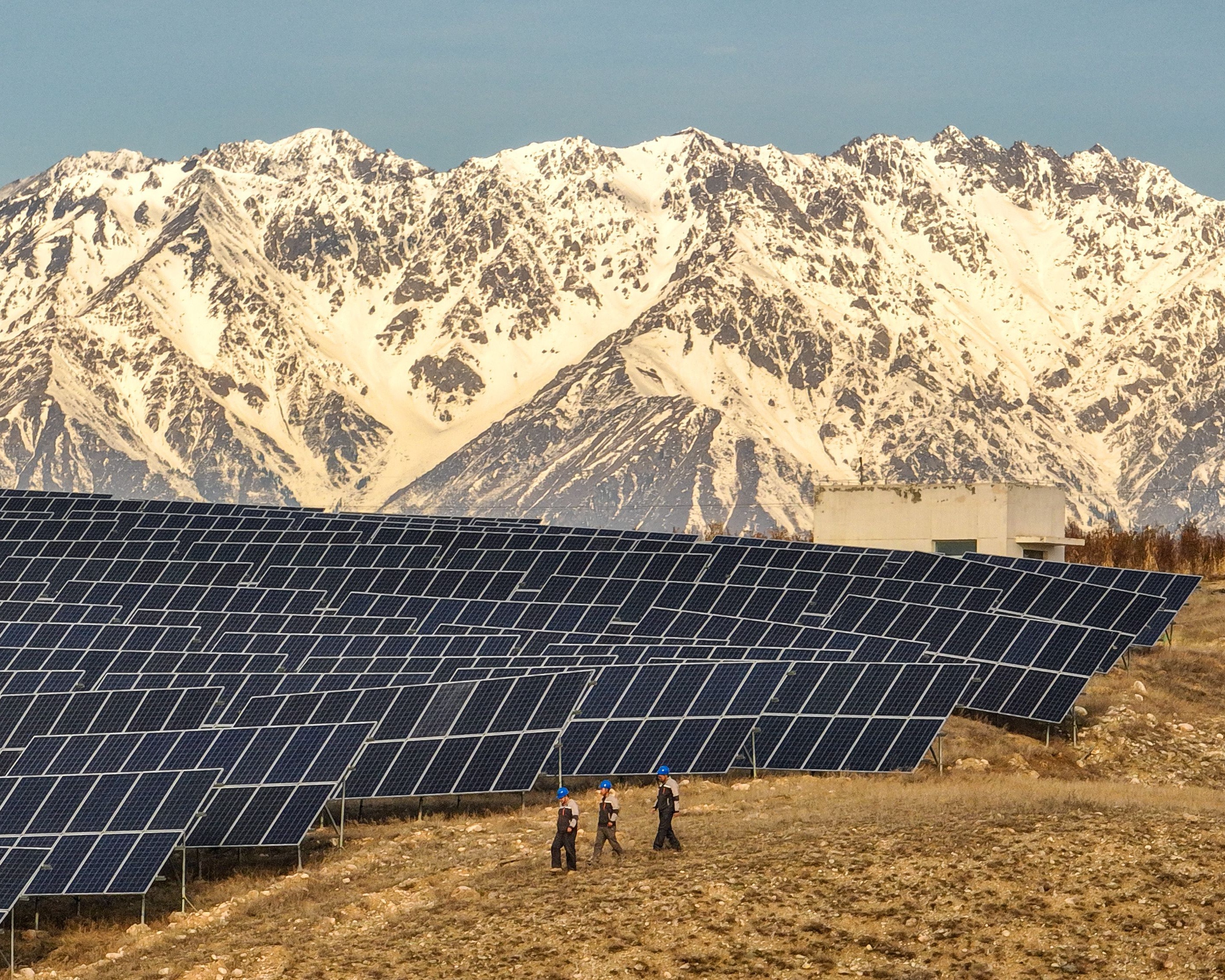
He pointed to China as a leading example, highlighting its dominance in producing and deploying renewable energy technologies such as solar panels. According to Corrêa do Lago, these technologies have become so affordable and widespread that they are now competing directly with fossil fuels on a global scale.
Delegates from nearly 200 countries have gathered at COP30 to discuss how to keep global warming within the 1.5°C limit set by the Paris Agreement. However, current national commitments are projected to result in around 2.5°C of warming, far exceeding safe thresholds.
Vulnerable nations are pushing for stronger commitments, urging wealthier countries to increase emissions cuts and provide financial support for climate adaptation. Representatives from small island states stressed that current efforts are insufficient and that urgent action is needed to prevent catastrophic outcomes.
A key focus of the summit is turning previous climate pledges into concrete action. This includes scaling up renewable energy, improving energy efficiency, and accelerating the transition away from fossil fuels.
However, divisions remain. Disagreements over priorities and responsibilities are expected to shape negotiations, particularly around funding for developing countries and the pace of emissions reductions.
Concerns have also been raised about rising methane emissions, despite international pledges to cut them. Data shows that emissions from several major countries have increased since 2020, undermining global efforts to slow warming.
Experts warn that methane, a potent greenhouse gas, plays a major role in short-term warming and that stronger, binding agreements may be necessary to curb its growth.