
COP30: Five major takeaways from a sharply divided climate summit
The COP30 climate summit in Belém, Brazil, has been widely described as one of the most fractured gatherings in the history of UN climate negotiations, exposing deep divisions over how the world should respond to global warming.
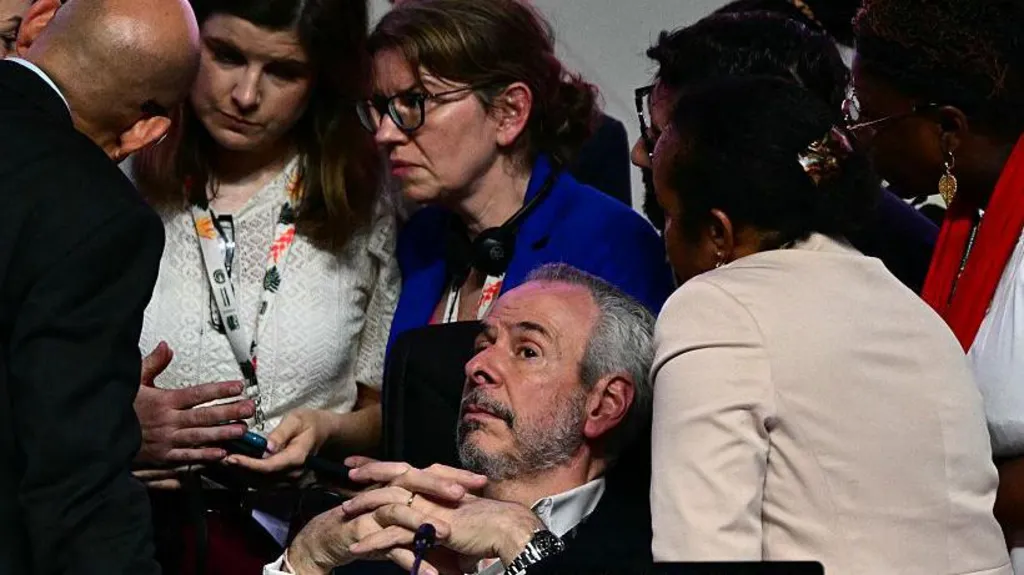
Held under the framework of the United Nations climate process, the summit ended without any direct commitment to phase out fossil fuels—an omission that angered many countries while satisfying major energy producers. The absence of consensus highlighted growing geopolitical tensions and shifting global power dynamics.
No agreement on fossil fuels
One of the most contentious issues was the failure to include any clear reference to reducing fossil fuel use. Despite early efforts led by Luiz Inácio Lula da Silva to promote pathways away from coal, oil, and gas, negotiations stalled. Around 80 countries, including members of the European Union, pushed for stronger language, but resistance from oil-producing nations—such as Saudi Arabia—blocked progress.
Attempts to bridge differences through informal group discussions failed, with some delegations refusing to engage. In the end, Brazil proposed non-binding “roadmaps” on fossil fuels and deforestation outside the formal COP framework, leaving their legal impact uncertain.
Brazil’s leadership under scrutiny
While Brazil received praise for hosting, criticism emerged over how the negotiations were managed. Tensions reportedly grew between President Lula’s ambitions and the more cautious approach of COP president André Corrêa do Lago, who prioritized consensus over confrontation. This strategy, however, ultimately led to diluted outcomes and frustration among participants.
European Union struggles to lead
The European Union, traditionally a driving force in climate diplomacy, found itself increasingly sidelined. Although it advocated for a fossil fuel phase-out, it lacked leverage in negotiations—particularly after earlier concessions on climate finance. Observers noted that rising influence from emerging economies, including China and India, has weakened the EU’s negotiating power.
Questions over the future of COP
The summit reignited debate over the effectiveness of the COP process itself. Critics questioned whether large-scale global conferences—often involving thousands of delegates and lengthy overnight negotiations—are still fit for purpose in addressing urgent climate challenges.
Some experts argue that while the COP framework delivered the landmark Paris Agreement, it now struggles to translate commitments into meaningful action. Calls are growing for complementary systems that can accelerate implementation outside the traditional negotiation format.
Trade tensions enter the climate agenda
For the first time, global trade emerged as a central issue at the summit. The EU’s planned carbon border tax on high-emission goods sparked opposition from major trading partners, who argue it could distort global markets. The disagreement reflects a broader clash between climate policy and economic competitiveness.
While no resolution was reached, negotiators agreed to continue discussions in future talks, involving institutions such as the World Trade Organization.
Geopolitics reshaping climate diplomacy
The roles of major powers further underscored divisions. Donald Trump’s absence signaled a continued retreat from international climate leadership by the United States, while China adopted a low-profile but strategic approach, focusing on economic opportunities—particularly in renewable energy markets.
Experts suggest that while the US remains tied to fossil fuel interests, China’s dominance in sectors like solar energy could shape the long-term direction of global energy systems.
Overall, COP30 revealed a widening gap between ambition and action, with competing national interests complicating efforts to reach unified solutions. While the process remains intact, the summit has intensified calls for new approaches to tackle the accelerating climate crisis.