
Declassified Papers Show Alexander Downer Warned in 2005 of Severe Climate Risks to Australia
Newly released cabinet documents reveal that the government of former Prime Minister John Howard was alerted as early as 2005 to the accelerating pace of climate change and its potentially devastating consequences for Australia’s economy, environment and society.
The records, made public by the National Archives of Australia, show officials warned that climate change was unfolding faster than expected and could severely affect “many human and natural systems” across the country.
Experts at the time also acknowledged major uncertainties, particularly regarding when, where and how intensely climate-related damage would occur. Despite this, they stressed that the risks were already significant and growing.
Coal dependence seen as a major vulnerability
Officials highlighted Australia’s heavy reliance on coal as a key challenge, noting that it would complicate efforts to balance economic growth with climate mitigation. They predicted widespread disruption across multiple sectors, including the economy, environment and social systems.
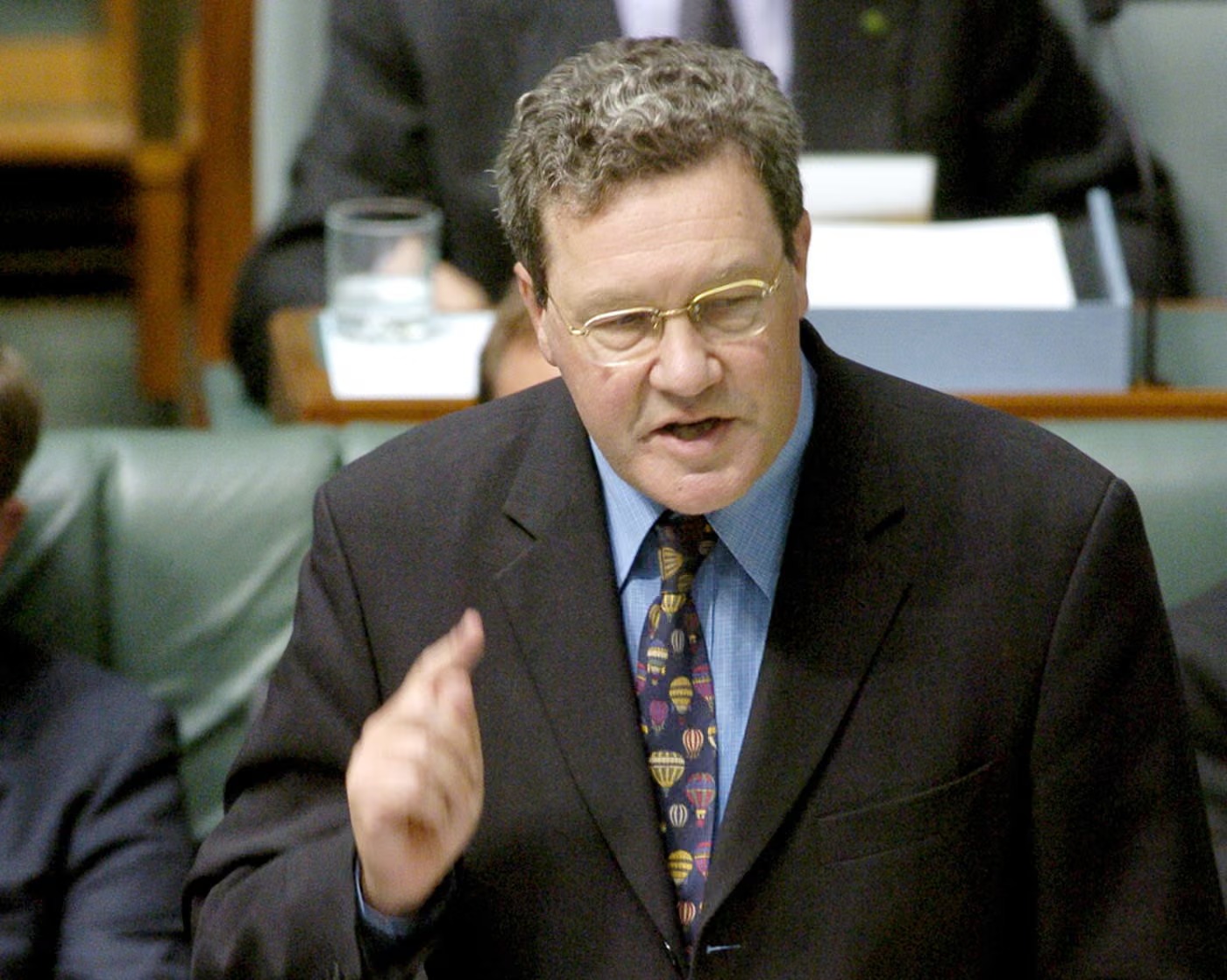
A cabinet submission prepared in August 2005 by then foreign minister Alexander Downer and environment minister Ian Campbell described global temperature changes as “unprecedented in human history.” It also noted that atmospheric carbon dioxide levels had risen by around 30 per cent compared to any point in the previous 400,000 years.
The briefing warned that climate change posed risks to Australia’s water supplies, agriculture, electricity systems, transport infrastructure, public health, coastal regions and tourism industry.
Australia, the ministers argued, was particularly exposed compared to other developed nations due to its already limited rainfall in key farming areas and its dependence on irrigation.
Threats to water, agriculture and fire risk
Supporting material from the Bureau of Meteorology indicated that declining rainfall and more severe droughts—especially in the south-west and south-east—could place significant strain on water resources.
These changes were also expected to increase the frequency and intensity of bushfires and reduce agricultural productivity, particularly in regions already dealing with issues such as soil salinity and erosion.
Policy hesitation despite early warnings
Despite these warnings, the documents show that Australia’s policy response at the time was cautious. In 2002, the government chose not to ratify the Kyoto Protocol, which came into force in 2005.
This decision raised concerns among investors, who warned that the absence of a stable long-term climate policy framework was discouraging investment in energy and emissions-intensive industries.
Earlier proposals for stronger climate action also faced resistance. In 2003, John Howard rejected a plan for an emissions trading scheme due to industry concerns. The following year, cabinet declined to strengthen renewable energy targets aimed at reducing emissions.
However, by 2007, amid growing political pressure from opposition leader Kevin Rudd, the government shifted its stance and began supporting emissions trading after internal recommendations led by senior official Peter Shergold.
Acknowledging science, debating solutions
Former attorney general Philip Ruddock later stated that the government had been well aware of the emerging scientific consensus on climate change at the time. He also noted that some technologies, such as carbon capture and storage, had not progressed as expected.
The documents further reveal that Australia’s Treasury supported developing an international climate strategy that would be both environmentally effective and economically efficient, without placing disproportionate burdens on the country.
In more recent years, however, Alexander Downer has taken a more cautious tone on climate policy. Writing in November, he questioned aspects of the scientific consensus and argued that climate action should be carefully weighed against its economic costs.
He maintained that while Australia should contribute to global efforts, it should avoid imposing heavy economic burdens for measures he considers to have limited practical impact.