
Do Lifestyle-Focused Climate Policies Undermine Public Support for Environmental Action?
Policies aimed at encouraging individuals to adopt greener lifestyles may be producing unintended consequences, potentially weakening public commitment to environmental values, according to new research.
While the Intergovernmental Panel on Climate Change has highlighted that changes in personal behaviour could cut global emissions by as much as 70 per cent by 2050, a recent study published in Nature Sustainability suggests that some commonly promoted measures may actually backfire.
Initiatives such as reducing meat consumption, restricting cars in urban centres, and discouraging air travel are often seen as key tools in climate policy. However, researchers warn that these approaches might erode the very “green” values they are intended to strengthen.
Are well-meaning policies having the opposite effect?
The study examined responses from more than 3,000 participants in Germany, selected to reflect the country’s broader population. Participants were asked about their attitudes toward climate-related policies, alongside comparable measures introduced during the COVID-19 pandemic.
Findings indicate that even environmentally conscious individuals can react negatively to policies perceived as restrictive. This reaction is linked to what researchers call the “crowding-out effect,” where external pressure reduces intrinsic motivation.
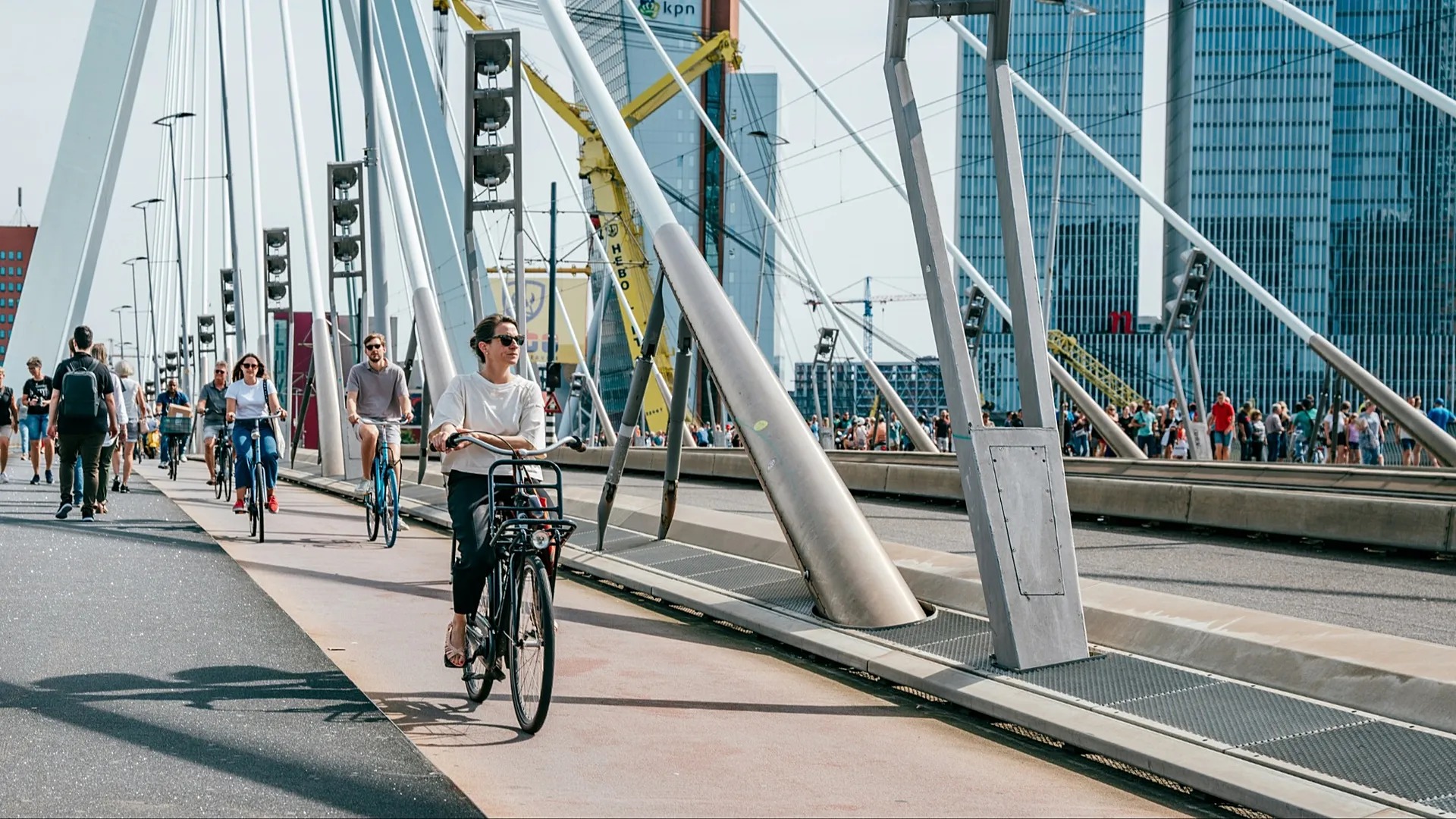
For instance, people who already make sustainable choices—such as cycling, using public transport, or managing energy use at home—may respond unfavourably when faced with enforced measures like car bans. In such cases, resistance to perceived control can outweigh their existing commitment to environmentally friendly behaviour.
Stronger backlash than pandemic measures
Interestingly, the study found that opposition to climate-related mandates was significantly stronger than reactions to COVID-19 restrictions. Negative responses to climate policies were 52 per cent higher, despite the widespread backlash seen globally during the pandemic.
Public resistance to pandemic measures, including mask mandates and social distancing, was already considerable in many countries. Yet researchers suggest that climate policies could provoke even greater pushback if not carefully designed.
Economist Sam Bowles, one of the study’s authors, noted that while technological solutions for a low-carbon future are increasingly available, the social and behavioural aspects of implementing effective climate policies remain a major challenge.
Designing policies that work
Despite these concerns, the study also offers insights into how climate policies can be more effective and better received.
Resistance was found to be lower when individuals believed that policies were effective, respected personal choice, and did not intrude on privacy or personal freedoms.
For example, there was comparatively less opposition in Germany to restrictions on short-haul flights. Researchers suggest this may be because the country—and Europe more broadly—has a well-developed rail network that provides a practical alternative.
Lead author Katrin Schmelz explained that when people feel they have viable options, they are more likely to accept changes that support climate goals.
Balancing policy and public support
The findings highlight the importance of designing climate strategies that not only reduce emissions but also maintain public trust and motivation.
As governments continue to promote lifestyle changes as part of broader climate action, ensuring that policies empower rather than alienate individuals could be key to achieving long-term environmental progress.