
Donald Trump Climate Policies Could Lead to 1.3 Million More Deaths Globally
A new analysis suggests that climate policies pursued under Donald Trump could result in up to 1.3 million additional temperature-related deaths worldwide over the coming decades.
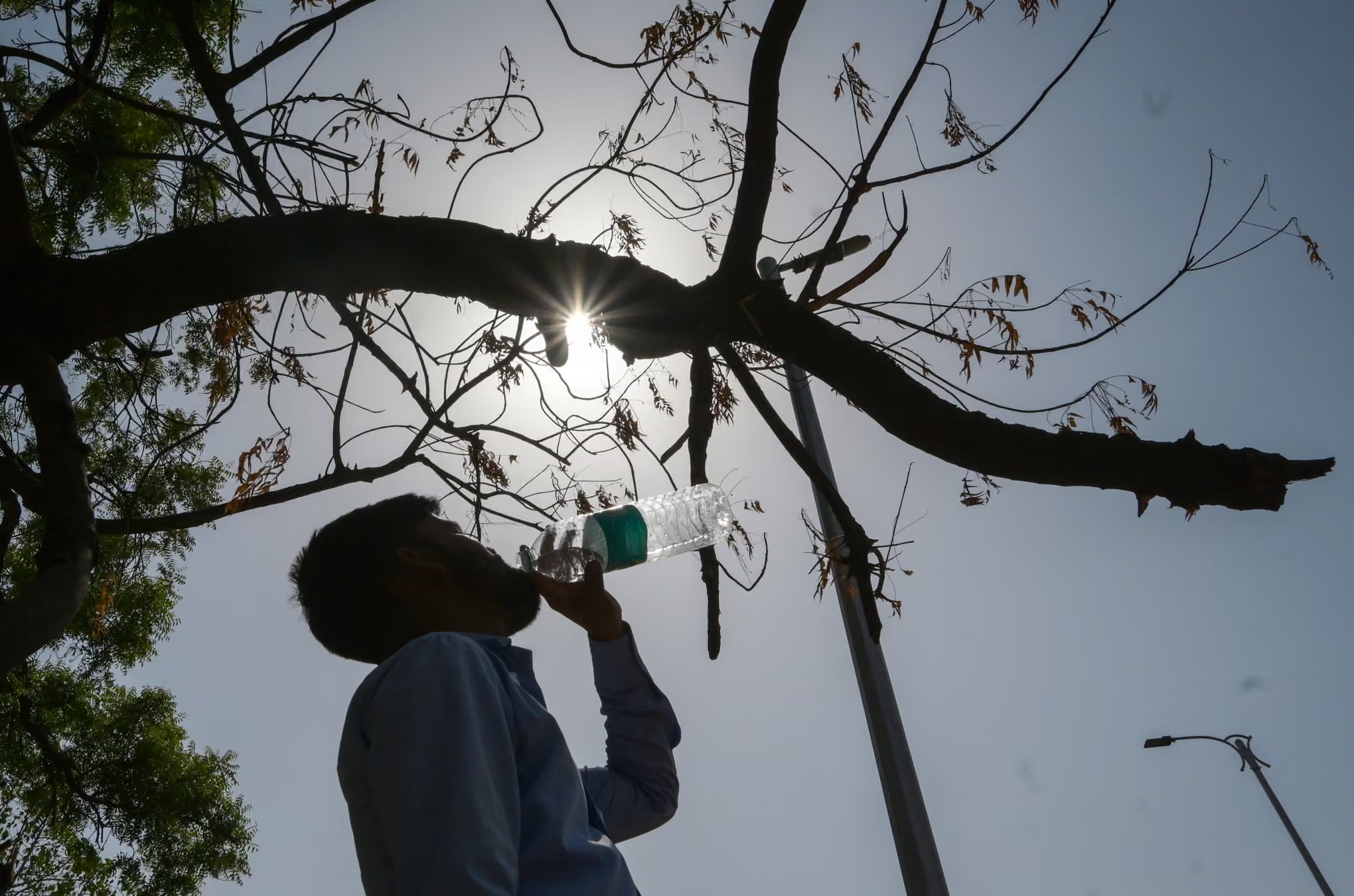
The findings are based on advanced climate and economic modelling that links increased greenhouse gas emissions to human mortality. Researchers estimate that policy decisions encouraging fossil fuel expansion and weakening environmental protections will significantly raise global temperatures, increasing the risk of deadly heat exposure.
The majority of these projected deaths are expected to occur in poorer and hotter regions, particularly in parts of Africa and South Asia. These countries have contributed relatively little to global emissions but are far more vulnerable to extreme heat and less equipped to adapt.
Scientists highlight that rising temperatures are already causing a surge in heat-related deaths worldwide. Vulnerable groups—including the elderly, outdoor workers, children, and those without access to cooling—face the greatest risks.
The analysis relies on the concept of the “mortality cost of carbon,” which estimates how many deaths are linked to each additional unit of carbon emissions. Using this approach, researchers calculated that emissions driven by recent policy changes could add billions of tonnes of carbon to the atmosphere in the next decade, significantly increasing long-term mortality.
Experts stress that these figures likely underestimate the full human cost of climate change, as they do not account for deaths linked to related impacts such as droughts, floods, food shortages, or disease outbreaks.
The projections also reveal stark global inequality. While the United States is one of the largest historical emitters of greenhouse gases, it is expected to experience only a small share of the additional deaths. In contrast, countries with far lower emissions are projected to bear the heaviest burden.
Climate experts emphasise that policy choices made today will directly influence future outcomes. Reducing emissions could prevent millions of deaths, while increasing emissions will have the opposite effect.