
‘Economic Denial’ Emerges as New Barrier in Climate Fight
The global fight against climate change is facing a new obstacle known as “economic denial,” according to COP30 president-designate André Corrêa do Lago.
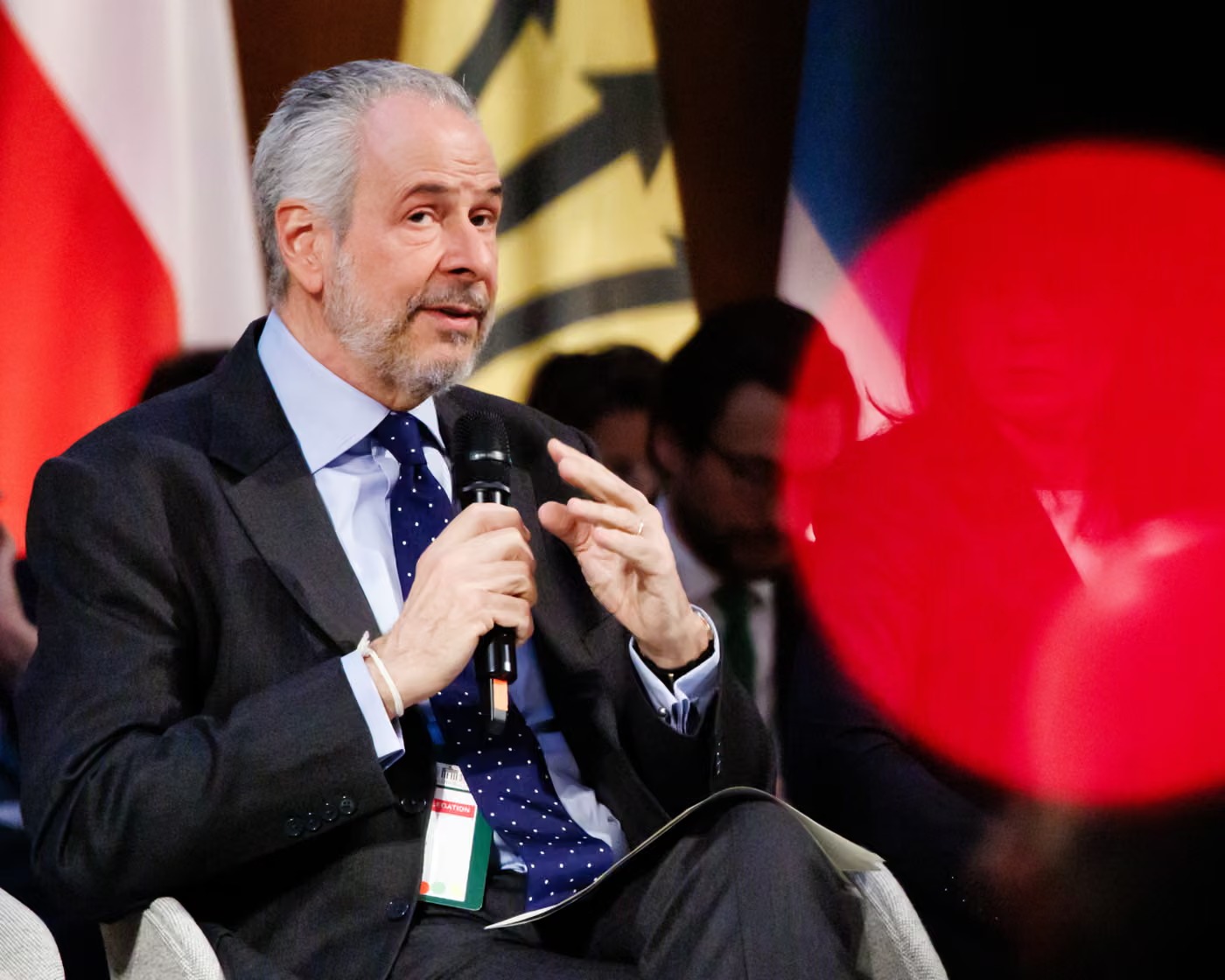
Unlike traditional climate denial, which questioned scientific evidence, this new form challenges the idea that economies can successfully transition away from fossil fuels.
Corrêa do Lago warns that while scientific consensus on climate change is now widely accepted, opposition has shifted toward undermining climate policies and economic reforms aimed at reducing emissions.
This shift is partly driven by rising populist movements and political resistance in several countries. In particular, policies promoting renewable energy and emissions reductions have faced backlash, often framed as harmful to economic growth and jobs.
However, many economists and international organisations argue the opposite. Studies from institutions such as the Organisation for Economic Co-operation and Development and the United Nations Development Programme suggest that tackling climate change can boost long-term economic growth rather than hinder it.
Corrêa do Lago emphasises that the next phase of climate action must focus on economic solutions. With sufficient scientific evidence already available, he argues that governments and economists must now demonstrate that climate policies can deliver both environmental and economic benefits.
At the same time, geopolitical tensions and lack of international coordination threaten progress. Many countries have yet to submit updated climate plans ahead of COP30, raising concerns about global readiness to meet emissions targets.
The challenge for world leaders will be to overcome economic scepticism and prove that transitioning to a low-carbon economy is not only necessary, but also advantageous for societies and future development.