
EPA Removes Fossil Fuels From Climate Explanation, Drawing Sharp Criticism From Scientists
The Environmental Protection Agency has revised its official climate change website, removing references to fossil fuels as the primary cause of global warming — a move that has sparked strong backlash from scientists and former officials.
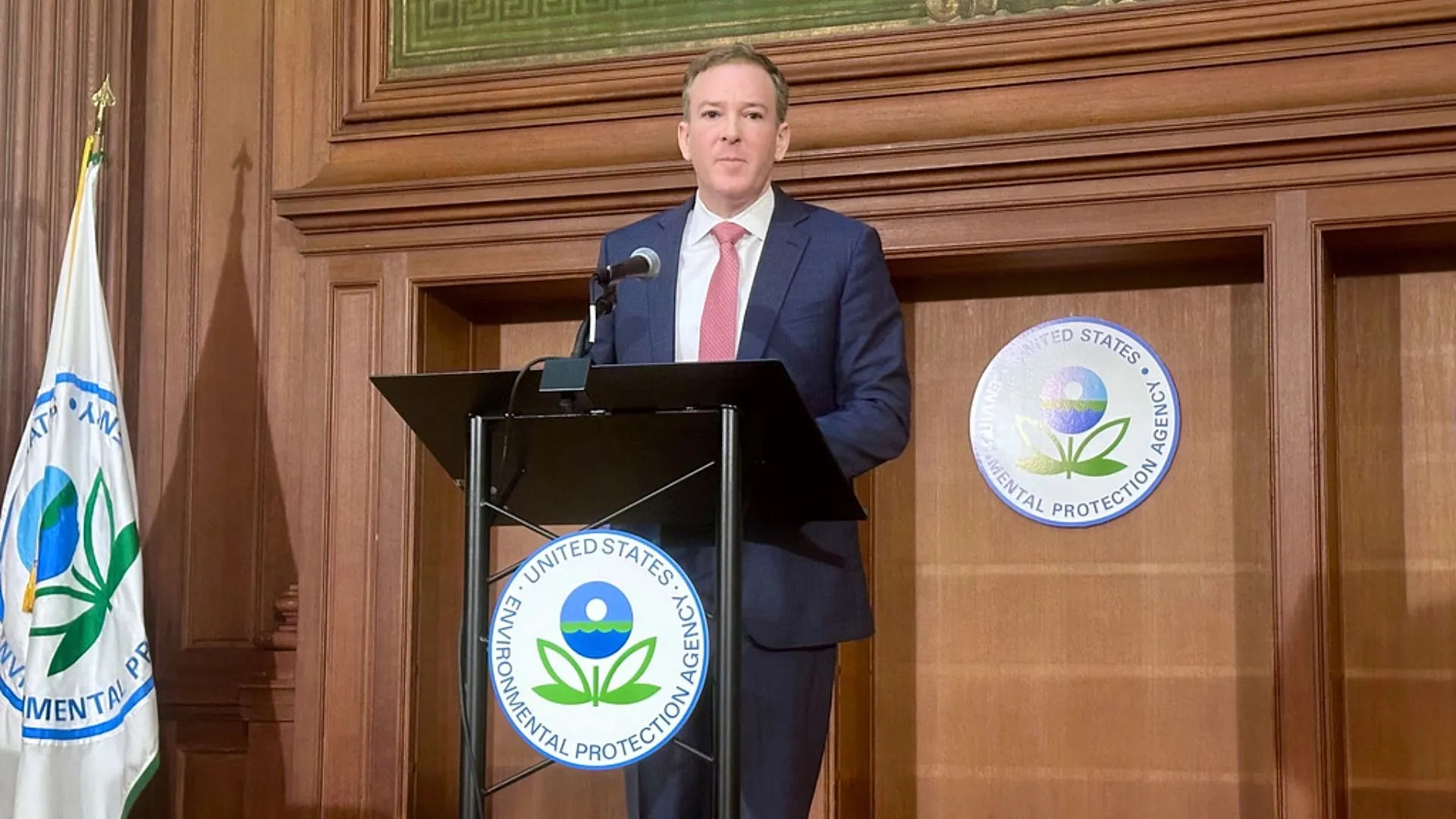
The updated webpage now highlights only natural drivers of climate change, such as volcanic activity, solar radiation and variations in Earth’s orbit, despite overwhelming scientific consensus that human activities — especially the burning of coal, oil and gas — are responsible for nearly all recent warming.
The changes appear to have been made quietly in recent days or weeks, altering some climate-related pages while leaving others untouched. Experts warn that the revisions risk misleading the public about the true causes of climate change.
Scientists warn of misinformation
Climate researchers have criticised the omissions, calling them both inaccurate and potentially harmful.
Daniel Swain said the revised content is “completely wrong,” noting that the site had previously been widely used by educators and the general public as a reliable and accessible source of information.
He also pointed out that several links on the EPA’s climate pages, including those related to impacts and risks, now lead to broken or inactive pages.
Earlier this year, the Trump administration also removed the national climate assessment from federal websites, raising further concerns about access to scientific information.
Former National Oceanic and Atmospheric Administration administrator Jane Lubchenco described the changes as “outrageous,” arguing that the government has a responsibility to provide accurate information on issues affecting public health and safety.
What has changed on the EPA site?
Archived versions of the webpage, preserved by the Wayback Machine, show that the EPA previously stated human activity had released large amounts of greenhouse gases since the Industrial Revolution, driving modern climate change.
While natural processes were acknowledged, the earlier version made clear they could not explain the warming observed over the past century.
The revised text, however, places greater emphasis on natural factors and omits explicit reference to fossil fuels, even while acknowledging that recent climate changes cannot be explained by natural causes alone.
Administration defends revisions
In response to criticism, EPA spokesperson Brigit Hirsch said the agency remains focused on protecting health and the environment while rejecting what she described as politically driven narratives.
She added that previous versions of the website remain archived and accessible to the public, although attempts to access some of these resources lead to technical errors.
The administration has also argued that its approach reflects a broader effort to challenge what it sees as overly alarmist interpretations of climate science.
Former officials voice concern
The changes have drawn criticism from figures across the political spectrum.
Former EPA administrator Christie Todd Whitman said ignoring climate change does not alter its reality, warning that the United States risks falling behind global efforts to address the issue.
“We look ridiculous,” she said, adding that other countries are taking action while the US appears to be moving backwards.
Similarly, former EPA chief Gina McCarthy criticised current leadership, accusing it of undermining efforts to protect public health and natural resources.
Scientific consensus remains clear
Despite the changes to official messaging, scientists stress that the evidence linking human activity to climate change is overwhelming.
Marcia McNutt said multiple reports from leading scientific bodies confirm that human-driven emissions are the main cause of global warming.
Experts estimate that nearly 100% of current warming is attributable to human activities. Without those emissions, global temperatures would likely be stable or even declining.
Jeremy Symons compared ignoring fossil fuel pollution to denying the link between smoking and lung cancer, highlighting the seriousness of the issue.
Concerns over public understanding
Scientists warn that removing clear references to fossil fuels could confuse the public and undermine trust in scientific institutions.
Accurate communication, they argue, is essential for informed decision-making and effective climate action.
As debates over climate policy continue, the controversy surrounding the EPA’s revised messaging underscores the broader tensions between science, politics and public communication in addressing global warming.