
EU Divided Over 2035 Climate Goals as COP30 Deadline Approaches, Leaked Document Reveals
European Union countries are struggling to reach agreement on their 2035 climate targets, with divisions emerging just weeks before key international negotiations, according to a leaked internal document.
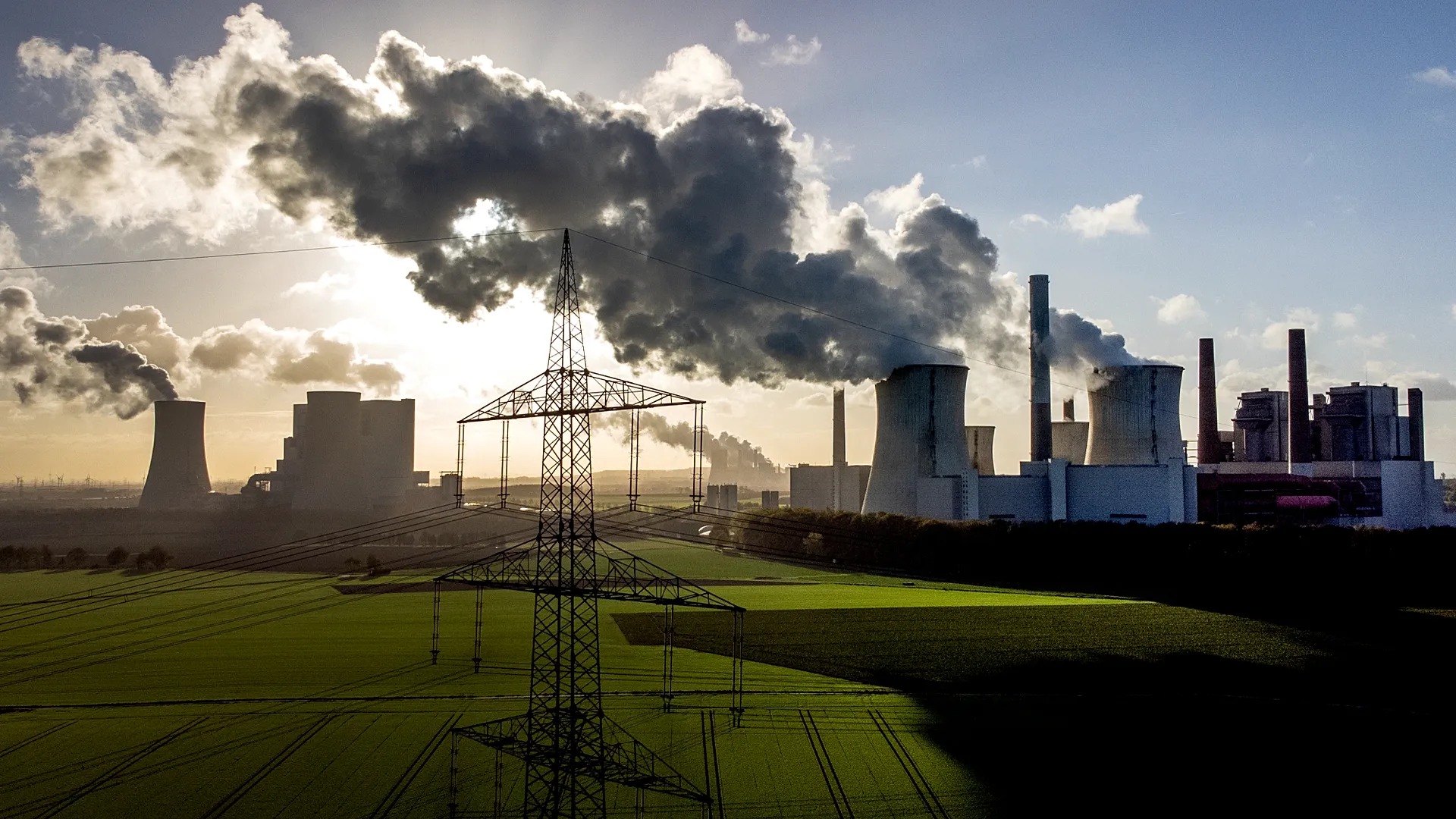
Environment ministers meeting in Brussels are expected to debate national emissions reduction goals — known as Nationally Determined Contributions (NDCs) — which must be finalised at EU level ahead of the COP30 summit later this year.
The document indicates that disagreements persist among member states, with countries split between those favouring more ambitious climate action and others pushing for more moderate targets.
Disputes deepen over 2035 targets
According to the briefing note, less ambitious countries are advocating for emissions cuts closer to 66% compared to 1990 levels, following a steady trajectory between 2030 and 2050.
Meanwhile, more climate-ambitious member states are calling for a clearer and stronger commitment, suggesting a target range between 66% and 72.5% for 2035. These countries also support aligning the 2035 target with both the 2030 milestone and a proposed 2040 goal of a 90% reduction.
The issue is expected to feature prominently at the upcoming United Nations General Assembly, where global leaders will assess climate progress ahead of COP30.
2040 target decision postponed
At the same time, discussions on the EU’s longer-term 2040 emissions target have been delayed. Initially scheduled for decision at this week’s ministerial meeting, the topic has now been downgraded to a discussion point after several countries requested more time.
EU officials say the final decision on the 2040 goal — which would require amending the EU Climate Law — has been pushed to a summit of heads of state in October.
Some member states have argued that both the 2035 and 2040 targets should be agreed together, believing this would strengthen the EU’s negotiating position globally.
However, others prefer to separate the two processes, complicating efforts to present a unified climate strategy.
Danish presidency seeks compromise
The Danish presidency of the EU is attempting to prevent the bloc from arriving at international talks without a clear position. Officials are reportedly exploring two possible approaches to bridge the divide.
One option would involve adopting a lower-range target for 2035, while the other would separate the NDC decision from the 2040 target, allowing progress on one without resolving the other immediately.
An EU diplomat said the aim is to guide discussions rather than secure a definitive agreement at this stage, while still maintaining a connection between the EU Climate Law and its international commitments under the Paris Agreement.
Political tensions slow progress
Efforts to fast-track decisions have already faced resistance. Denmark had attempted to push for a vote at ministerial level, but countries including Germany, Italy and France supported delaying the decision until October’s European Council meeting.
This position was also backed by several other member states, including Austria, Czechia, Hungary, Poland and Slovakia.
Some of these countries are seeking to revisit or potentially weaken the proposed 90% emissions reduction target for 2040, while others, including France, Germany and Italy, want further clarification on the economic and technical conditions required to meet such goals.
Time pressure ahead of COP30
Under the Paris Agreement, countries are required to update their climate targets every five years. For the EU, this means agreeing on a 2035 target that aligns with its broader climate roadmap before presenting it at COP30 in Brazil.
However, the ongoing disagreements raise concerns that the bloc could struggle to present a unified and ambitious position on the global stage.
With deadlines approaching and negotiations continuing, EU leaders face mounting pressure to resolve their differences and demonstrate leadership in international climate policy.