
EU Must Act Together Urgently to Strengthen Climate Adaptation, Advisory Board Says
European Union member states must rapidly improve coordination to better prepare for the growing impacts of climate change, according to a new warning from the European Scientific Advisory Board on Climate Change.
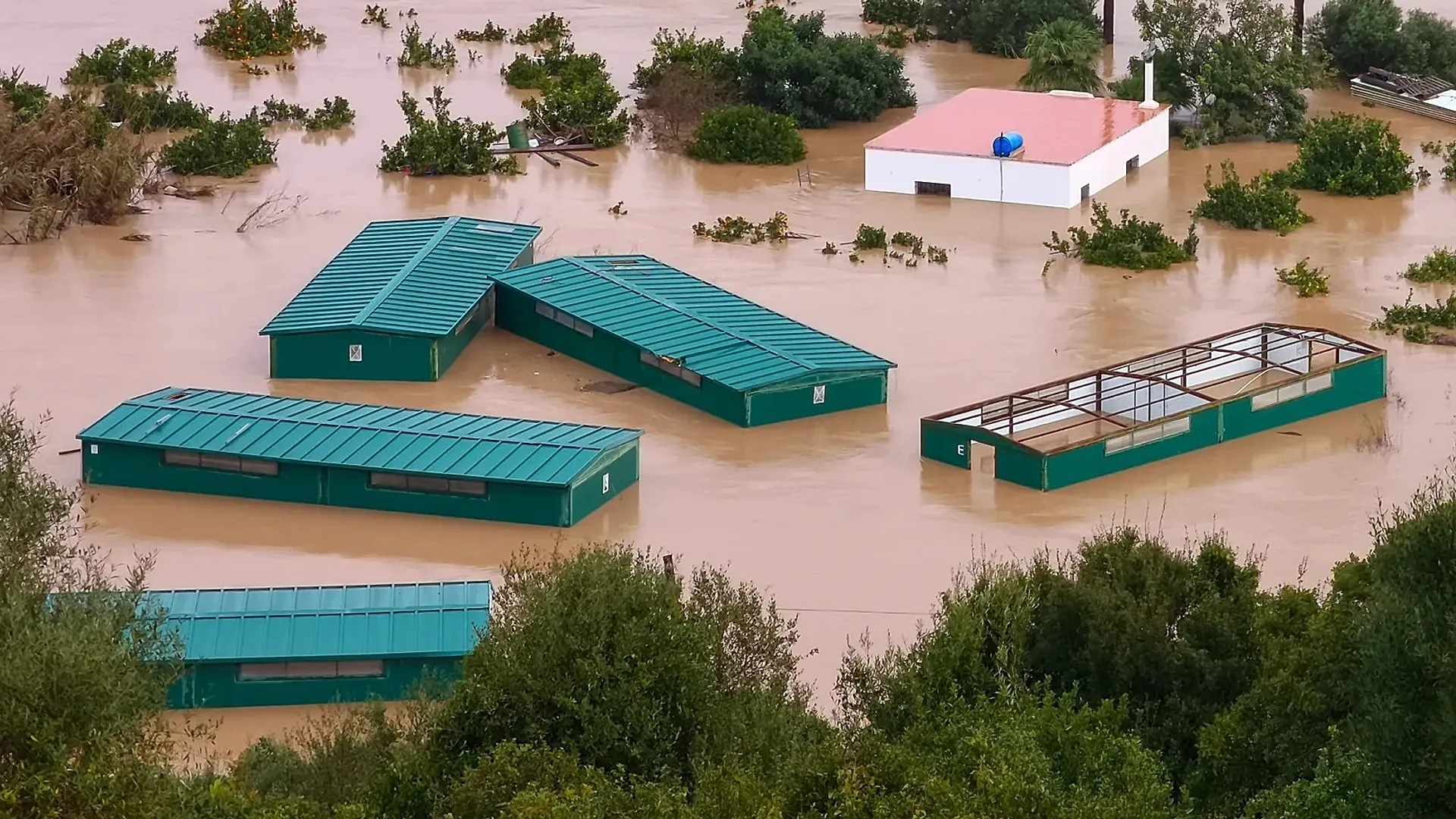
In its latest report, the board stresses that increasing threats such as floods, extreme storms, wildfires, heatwaves and droughts require a more unified and precautionary response across the EU. Scientists argue that fragmented national efforts risk leaving the region vulnerable to escalating climate hazards.
The report calls on the EU27 to reinforce regulatory frameworks and strengthen preparedness measures, while also highlighting shortcomings in the European Commission’s 2021 climate adaptation strategy.
Recent disasters underline urgency
The warning comes as parts of southern Europe, particularly Spain and Portugal, recover from a series of severe storms that caused widespread devastation. Flooding, landslides and coastal surges resulted in multiple fatalities and billions of euros in damage.
One of the storms, Marta, prompted the mobilisation of more than 26,500 emergency personnel in Portugal. Waves reached heights of up to 13 metres, while rivers overflowed, inundating communities.
In southern Spain, especially in Andalusia, large-scale evacuations were carried out as infrastructure suffered heavy damage. Thousands of displaced residents were accommodated in emergency shelters, supported by medical teams.
Economic losses in Portugal alone are expected to exceed €3.3 billion, with agriculture particularly hard hit by crop destruction.
Earlier extreme weather events—including deadly floods in Valencia in 2024 and in Germany and Belgium in 2021—have already intensified calls for stronger climate adaptation measures across Europe.
Rising human and economic costs
According to ESABCC Chair Professor Ottmar Edenhofer, climate-related events are already inflicting significant damage across the continent.
He noted that extreme heat has led to tens of thousands of premature deaths in recent years, including an estimated 24,000 during the summer of 2025. Meanwhile, economic damage to infrastructure and physical assets now averages around €45 billion annually.
These figures, he said, demonstrate that adaptation is no longer optional but essential for protecting lives, livelihoods and economic stability.
Adaptation and mitigation must go hand in hand
The advisory board emphasises that efforts to adapt to climate impacts must be combined with measures to reduce emissions. With further temperature increases considered unavoidable, both strategies are necessary to ensure resilience.
The report warns that a lack of coordination could weaken Europe’s overall response. Insufficient adaptation in one country may increase risks for neighbouring states, undermining collective resilience.
Vice-chair Professor Laura Diaz Anadon highlighted the importance of a strong EU-wide adaptation framework to manage systemic risks affecting food, water and energy systems. She added that climate adaptation is not only an environmental issue but also crucial for safeguarding public health, ecosystems and the EU’s economic competitiveness.
Professor Jette Bredahl Jacobsen, also vice-chair, stressed that while adaptation can reduce risks, it cannot eliminate all losses. Continued mitigation efforts will therefore remain vital to keep climate impacts within manageable limits.
Key recommendations for future policy
The ESABCC report outlines several proposals ahead of new EU climate legislation expected later this year.
Among them is the need for harmonised climate risk assessments across member states, using shared scenarios and consistent methodologies. Scientists also recommend adopting a unified approach to adaptation planning based on global warming projections of 2.8°C to 3.3°C by 2100.
Another major priority is increasing both public and private investment in adaptation. Such funding would help address the growing financial burden of climate impacts through EU budgets, economic governance tools and risk-sharing mechanisms.
The report also highlights the benefits of existing adaptation measures, such as heat-health warning systems, improved infrastructure and expanded urban green spaces, which have already helped reduce mortality during heatwaves.
Funding and political debate
The EU has earmarked approximately €658 billion from its 2021–2027 budget for climate-related action, with ongoing negotiations for the next long-term budget cycle beginning in 2028.
Meanwhile, political debate around climate policy continues. Austrian Green MEP Lena Schilling recently called for higher taxation of the wealthy to support climate action, arguing that economic inequality and environmental responsibility must be addressed together.