
Europe Told to Prepare for 3°C Warming as Experts Warn Adaptation Is Urgent but Achievable
Europe Told to Prepare for 3°C Warming as Experts Warn Adaptation Is Urgent but Achievable
According to Maarten van Aalst, adapting to rising temperatures is a challenging but manageable task. He emphasized that while the scale of the problem may seem overwhelming, many solutions are practical and within reach, describing climate adaptation as something that largely relies on “common sense” measures rather than complex breakthroughs.
The warning comes as the European Scientific Advisory Board on Climate Change (ESABCC) highlights that current adaptation efforts across Europe remain inadequate. In its latest report, the board describes existing measures as slow, incremental and often implemented too late to effectively reduce risks.
Scientists are urging policymakers to prepare for a world that could be between 2.8°C and 3.3°C warmer than preindustrial levels by 2100. Such a scenario would significantly exceed the targets agreed under the Paris Agreement, which aimed to limit warming to 1.5°C.
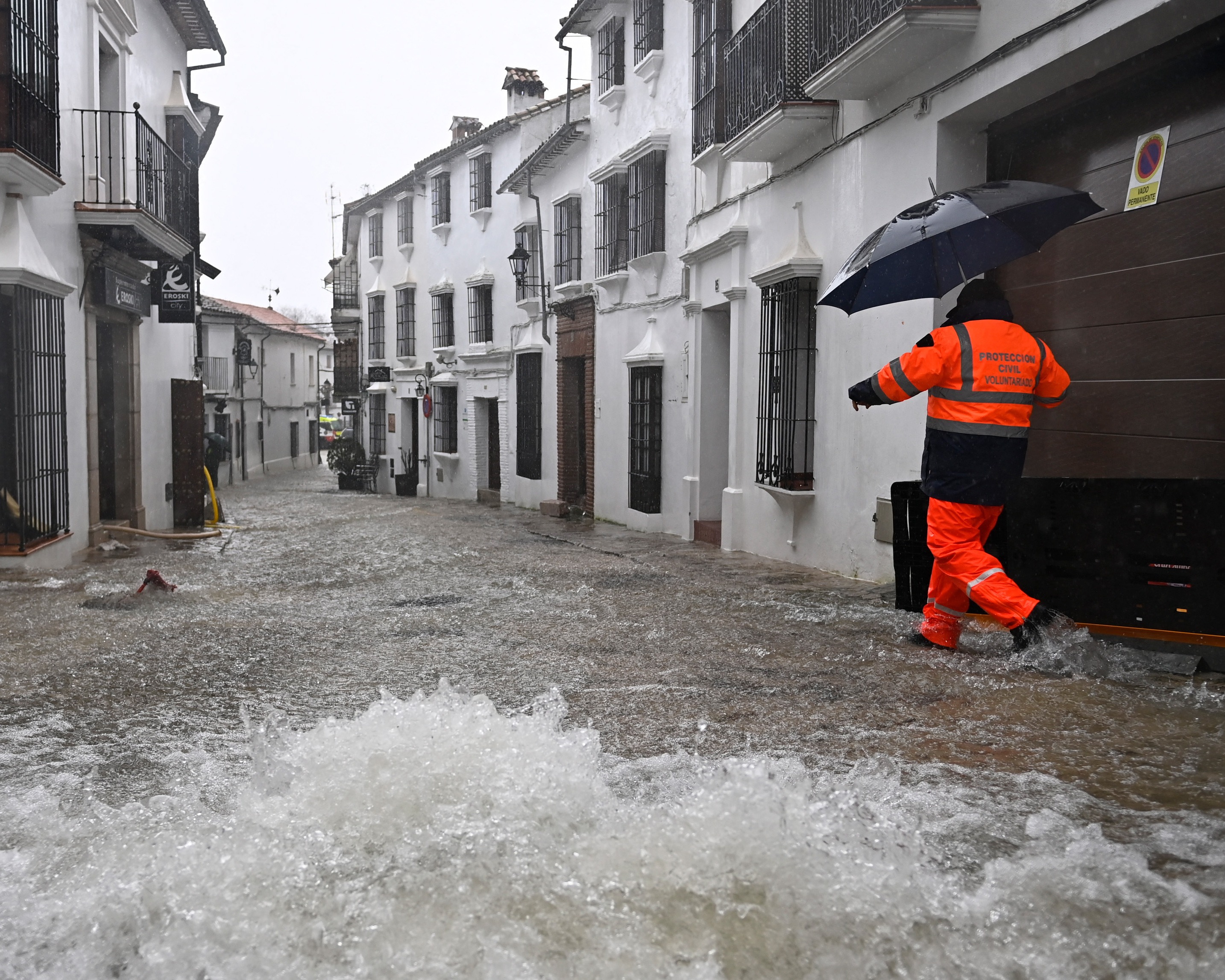
Recent extreme weather events across Europe illustrate the growing dangers. Catastrophic floods in Germany’s Ahr Valley in 2021 and in Spain’s Valencia region in 2024 resulted in hundreds of deaths. Meanwhile, heatwaves continue to claim tens of thousands of lives annually, with a substantial portion of these fatalities linked directly to rising temperatures caused by fossil fuel emissions.
Wildfires have also intensified, burning larger areas than ever recorded, while storms have become more destructive. In Portugal, a series of powerful storms recently caused multiple fatalities and hundreds of millions of euros in damages, further underlining the continent’s vulnerability.
Van Aalst noted that Europe had long assumed such severe climate impacts would mainly affect less developed regions. However, recent events have demonstrated that even wealthy nations are not adequately prepared for increasingly extreme conditions. He stressed the need to improve early warning systems and strengthen infrastructure to cope with these new realities.
The ESABCC recommends that European governments integrate climate resilience into all policy areas, conduct comprehensive risk assessments and mobilise greater financial resources—including private investment—to support adaptation efforts.
At the same time, experts caution that adaptation alone will not be enough. Preventing the worst outcomes will require continued efforts to reduce greenhouse gas emissions and avoid reaching temperature levels where adaptation may no longer be effective.
The report ultimately presents a stark message: while preparing for a hotter world is essential and feasible, limiting global warming remains critical to avoiding the most severe and irreversible impacts.