
European Farmers Struggle to Survive Climate Crisis
Farmers across Europe are facing increasing pressure from climate change, as extreme weather conditions make traditional agricultural practices harder to sustain.
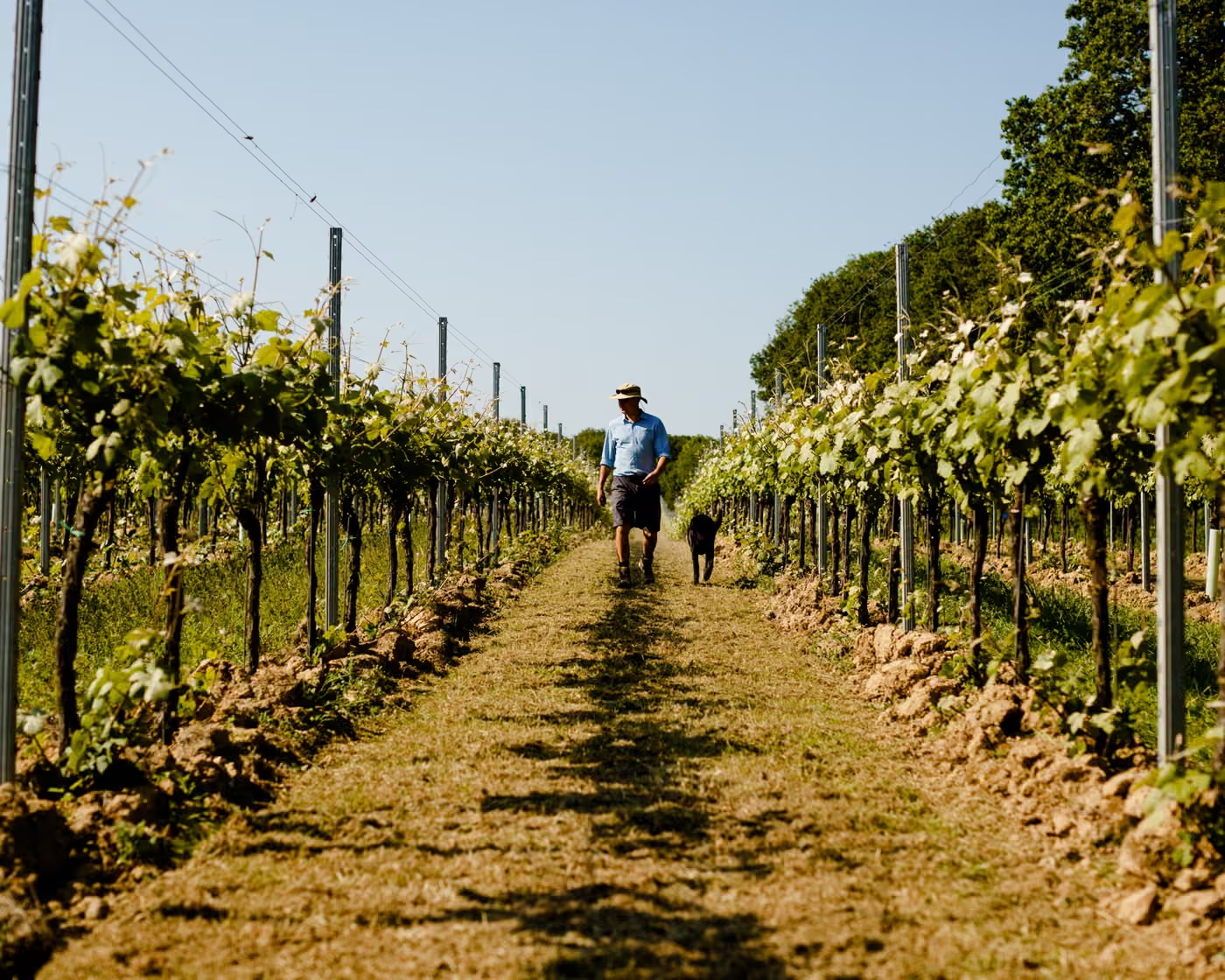
Producers in southern Europe, particularly in countries like Greece, Spain, and Italy, are dealing with rising temperatures, droughts, wildfires, and unpredictable rainfall. These challenges are forcing many farmers to rethink long-established methods passed down through generations.
Agricultural output is already being affected. Crop losses are expected to rise significantly in the coming decades, with projections suggesting that annual losses in the EU could increase by up to two-thirds by 2050.
To adapt, farmers are investing in costly solutions such as irrigation systems, water storage, and heat-resistant crop varieties. Some are also relocating production to higher altitudes or cooler regions, while others are experimenting with entirely new crops better suited to changing conditions.
Despite these efforts, adaptation is becoming increasingly expensive, particularly for small, family-run farms. Many lack the financial resources to implement necessary changes, leading some to abandon farming altogether.
The impacts are also being felt by consumers. Reduced production and higher farming costs are pushing up the prices of food products such as wine, olives, fruits, and vegetables across Europe.
In addition, climate change is shifting agricultural patterns across the continent. Crops traditionally grown in southern Europe are moving northwards, while farmers in northern regions are beginning to cultivate products that were previously unsuitable for their climates.
Experts warn that as the climate crisis intensifies, adaptation will become even more difficult and costly. Without stronger support and investment, Europe’s agricultural sector could face long-term decline, with serious consequences for food security and rural economies.