
Europe’s Largest Solar Farm Faces Delays Amid Growing Opposition
Plans to construct Europe’s biggest solar farm have been thrown into uncertainty after months of intense review and public resistance slowed progress on the €916 million project.
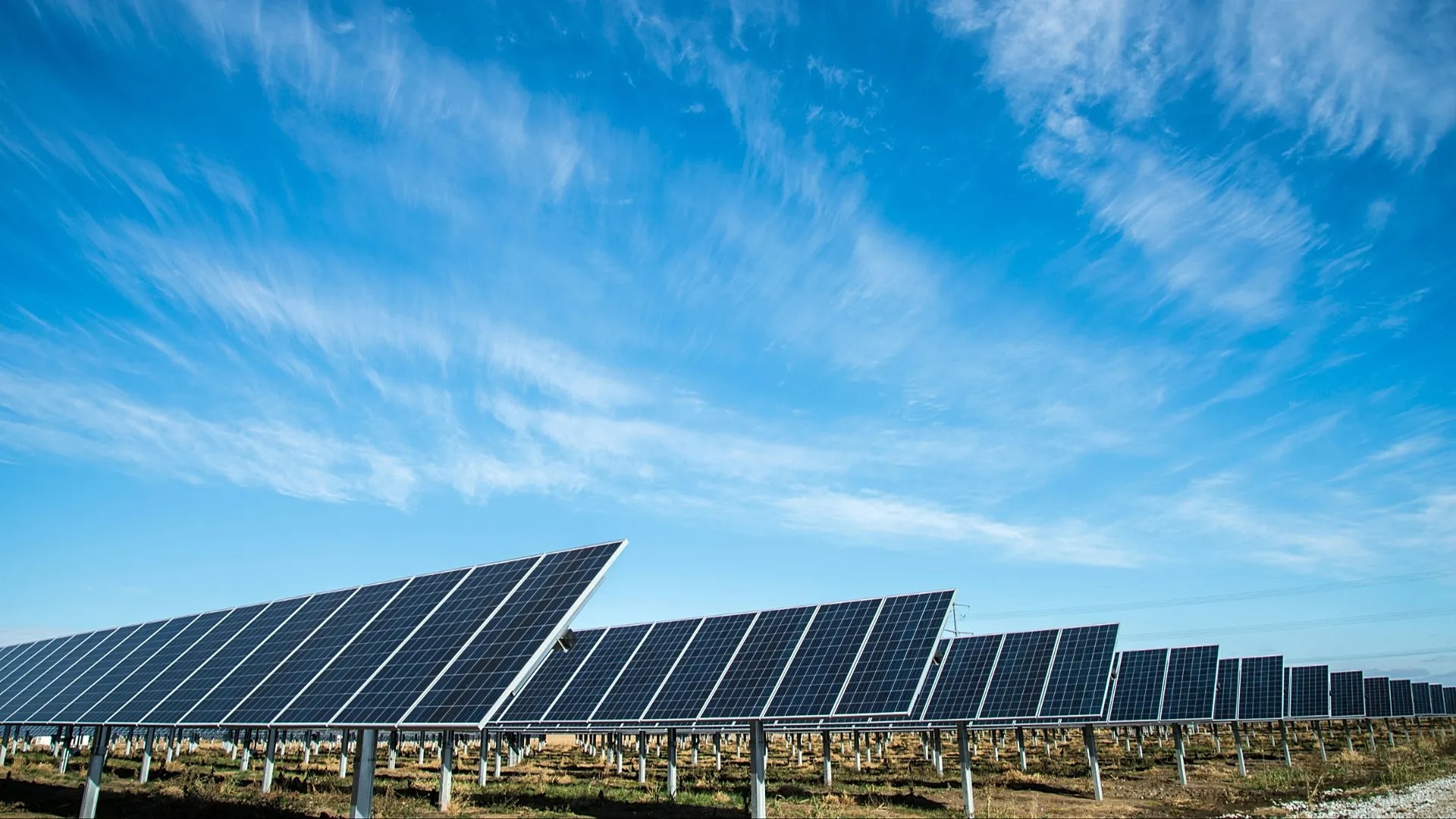
As global tensions—particularly the ongoing conflict involving Iran—continue to drive up fossil fuel prices, renewable energy is becoming increasingly vital for Europe’s energy security. Solar power, now considered the cheapest clean energy source, reportedly saved Europe €3 billion in just one month by reducing dependence on imported fuels.
Despite these benefits, large-scale renewable projects are facing mounting opposition. Communities across Europe are increasingly divided over the environmental and visual impact of solar farms and wind turbines.
The proposed Botley West Solar Farm, located in Oxfordshire, England, aims to generate 840 megawatts of electricity—enough to power approximately 330,000 homes. Developed by Photovolt Development Partners, the project is expected to contribute 1.2% of the UK’s solar capacity goals by 2035.
The developers also promise a biodiversity net gain of at least 70%, aiming to balance environmental concerns. However, local residents and campaign groups argue the project could significantly damage the natural landscape.
Opposition has been particularly strong near the historic Blenheim Palace, a UNESCO World Heritage site. Critics warn the development could create what some describe as an “ocean of glass and steel,” impacting both scenery and local ecosystems.
Campaign group Stop Botley West has raised concerns about potential loss of farmland, harm to wildlife habitats, increased flood risks, and long-term environmental consequences.
On the other hand, experts like Nick Eyre from the University of Oxford argue that fears over food production are overstated, pointing out that land use can be optimized efficiently without compromising agriculture.
The final decision now rests with Ed Miliband, who received the planning report earlier this year. Although a verdict was initially expected by May, the UK government has postponed the decision until September to allow further review and input from stakeholders.
The delay reflects the growing tension between the urgent need for renewable energy and the challenges of balancing environmental, social, and local concerns.