
Experts Declare Extreme Heat a Rising Public Health Crisis Across Europe
Extreme heat is increasingly being recognised as a major public health emergency, with experts warning that urgent measures are needed to protect vulnerable populations and reinforce healthcare systems as temperatures continue to rise.
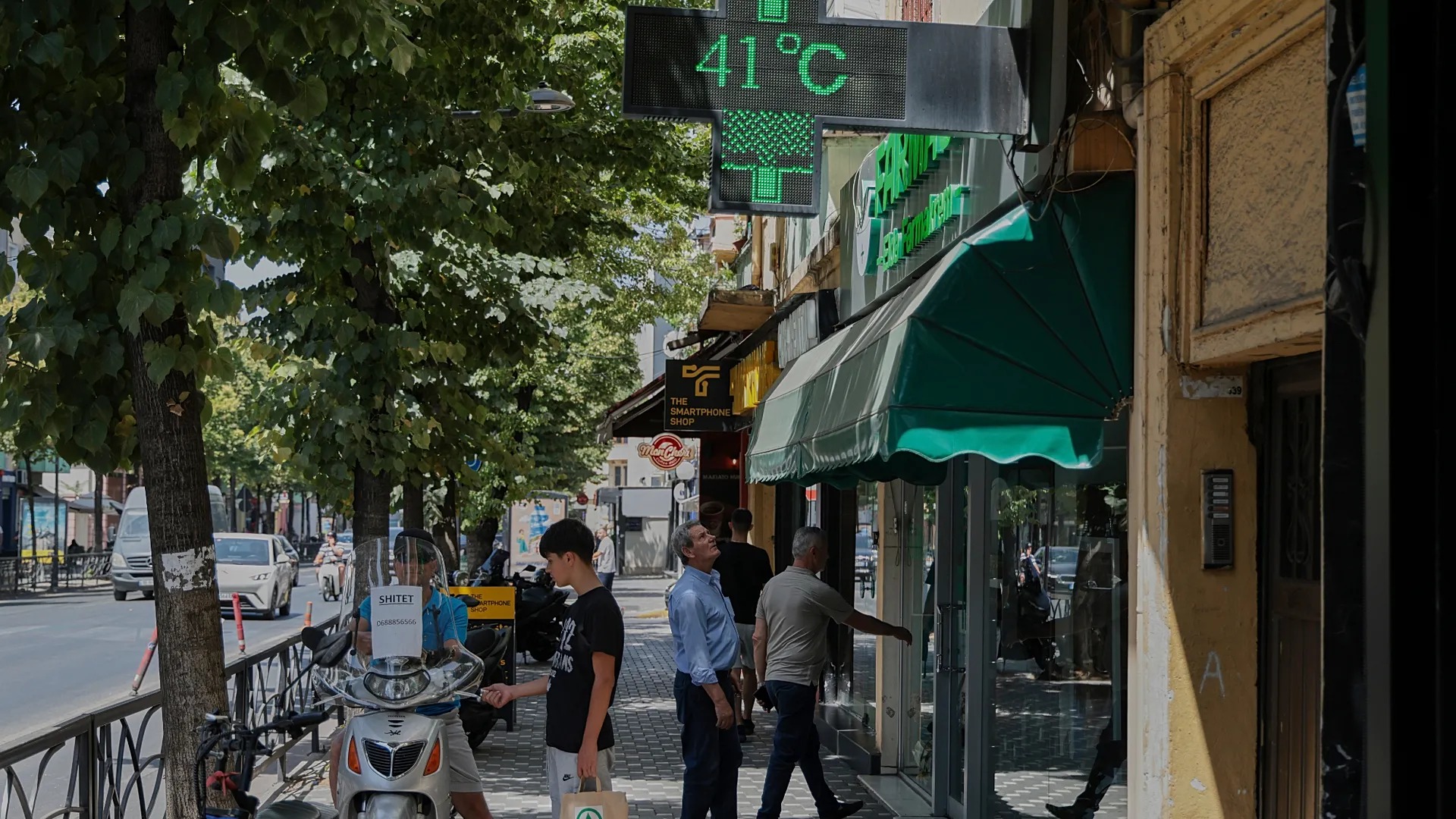
In an open letter addressed to the World Health Organization, the Pan-European Commission on Climate and Health (PECCH) highlighted that extreme weather events are no longer just an environmental issue but also a serious threat to public health, placing growing pressure on healthcare services, economies, and at-risk communities.
“This is no longer a distant or seasonal concern,” the letter states, emphasizing that the crisis is already unfolding and demands immediate attention.
The PECCH, an independent body established in June 2025 and composed of climate and health specialists from across Europe, was convened by WHO Regional Director Dr Hans Kluge. The group is tasked with developing recommendations to accelerate climate and health action ahead of the World Health Assembly scheduled for May 2026.
Europe has been experiencing increasingly frequent and intense heatwaves, which experts describe as “silent killers.” During extreme heat, the human body can struggle to regulate temperature, leading to conditions such as heat stress, heat exhaustion, and heatstroke. These effects can worsen existing health problems and, in severe cases, result in premature death.
Among all climate- and weather-related hazards in Europe, heat is responsible for the highest number of fatalities. Over the past 20 years, heat-related deaths have increased by 30 percent. In 2022 and 2023 alone, more than 100,000 deaths were recorded across 35 European countries, and this figure is expected to continue rising.
Certain groups are particularly vulnerable, including elderly individuals, people with disabilities, pregnant women, children, outdoor workers, and those living in housing that is not equipped to handle high temperatures.
Climate change is also contributing to the spread of infectious diseases, particularly those transmitted by mosquitoes. Cases of illnesses such as dengue, West Nile virus, and chikungunya are increasing across Europe. According to the European Centre for Disease Prevention and Control, there were 1,436 cases of West Nile virus and 304 locally acquired dengue infections last year—significantly higher than the combined total of the previous two years.
The letter warns that healthcare systems are already under significant strain. Rising temperatures are exposing weaknesses in emergency response systems and increasing demand for medical services.
Evidence from several countries illustrates the impact. In Portugal, hospital admissions rose by 19 percent during heatwave periods between 2000 and 2018. In France, extreme heat in 2022 led to a doubling of emergency room visits and a threefold increase in medical consultations related to heat conditions.
Experts stress that proactive planning is essential. Heat-health action plans, which include early warning systems and targeted protection for vulnerable populations, have been shown to reduce mortality and ease pressure on hospitals. The commission argues that implementing such measures should be treated as an immediate priority.
In addition to emergency responses, the PECCH calls for greater investment in prevention strategies and a shift toward policies that prioritize health, well-being, sustainability, and social equity.
They also underline that tackling climate change directly benefits public health. Measures such as reducing emissions and expanding green urban spaces can significantly lower heat-related risks. For example, increasing urban greenery by 30 percent could reduce deaths linked to extreme heat by up to 40 percent.
Ultimately, the commission emphasizes that addressing climate change and protecting public health are inseparable goals, requiring coordinated and urgent action.