
Frozen north, scorched south: January highlights climate extremes across the globe
While large parts of Europe and the United States endured severe cold in January, the Southern Hemisphere faced extreme heat, wildfires, and flooding—underscoring the growing contrast in global climate conditions.
Despite widespread freezing temperatures across northern regions, new data from the Copernicus Climate Change Service (C3S) show that January was still the fifth-warmest on record globally. Average temperatures were approximately 1.47°C above pre-industrial levels, edging closer to the 1.5°C threshold set under the Paris Agreement.
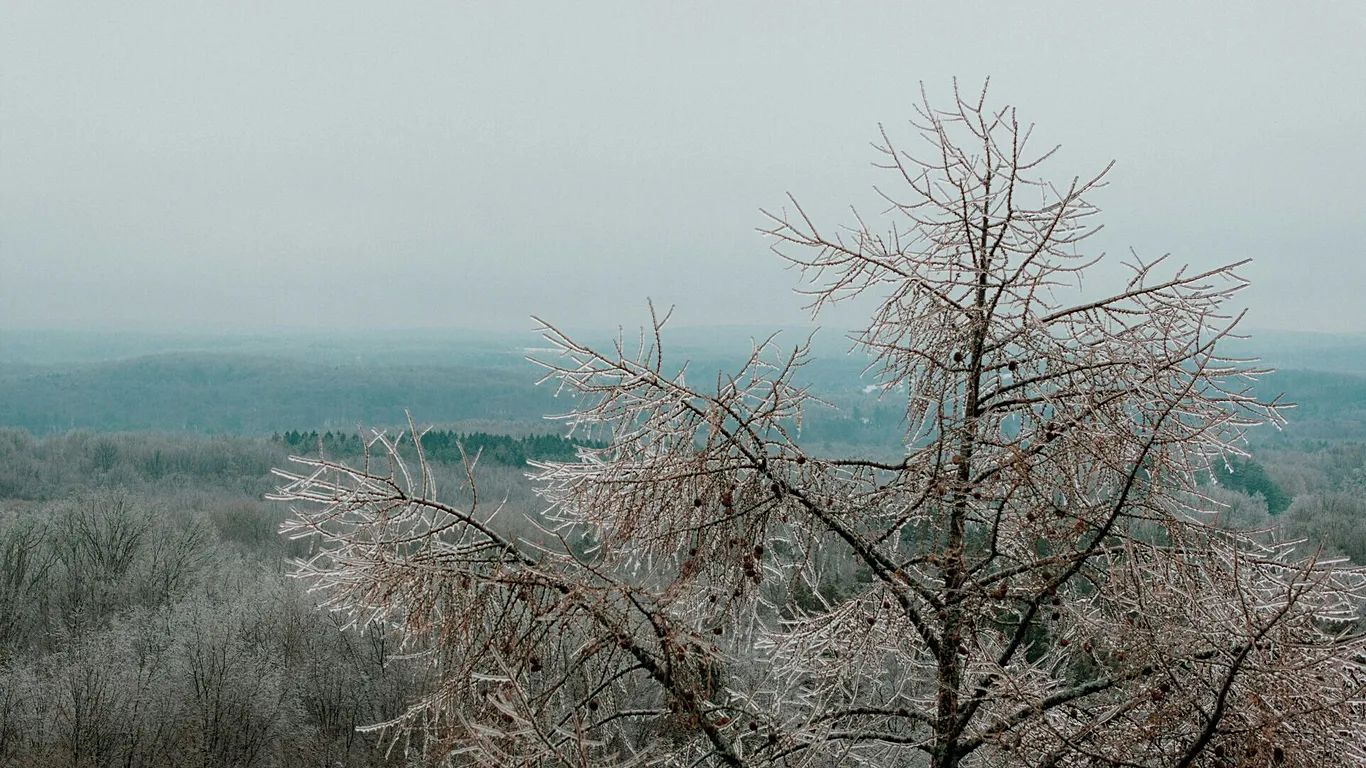
Late in the month, powerful cold waves swept across the Northern Hemisphere as Arctic air pushed unusually far south. Europe recorded its coldest January since 2010, with freezing conditions stretching from Siberia through northern and eastern Europe and into parts of the United States. Average land temperatures dropped to around -2.34°C, roughly 1.6°C below the 1991–2020 average.
At the same time, the Southern Hemisphere experienced record-breaking heat. Wildfires in Australia, Chile, and Patagonia caused fatalities and widespread damage, while intense rainfall triggered severe flooding in parts of southern Africa, including Mozambique. Even amid regional cold spells, temperatures remained above average in many areas, including the Arctic, western North America, and several parts of the Southern Hemisphere.
Samantha Burgess of the European Centre for Medium-Range Weather Forecasts noted that January demonstrated how the climate system can produce extreme cold and heat simultaneously in different regions. She emphasized that while long-term warming is driven by human activity, societies must prepare for increasingly volatile and contrasting weather patterns.
Ocean conditions also reflected ongoing climate change. Sea surface temperatures ranked among the highest ever recorded for January, particularly in parts of the North Atlantic and North Pacific. Meanwhile, polar sea ice continued to decline. Arctic sea ice coverage was 6 percent below average—its third-lowest January extent on record—with significant losses in regions such as the Barents Sea and Baffin Bay. Antarctic sea ice levels were also below average, though not among the lowest historically.
Extreme weather impacts were felt worldwide. Much of western, southern, and eastern Europe experienced above-average rainfall, leading to flooding and disruption in countries including Spain, Italy, Ireland, and the United Kingdom. In contrast, hot and dry conditions in parts of South America and Australia heightened wildfire risks, while heavy rains in southern Africa, Brazil, and northern Australia caused widespread flooding.
The findings are based on the ERA5 dataset compiled by C3S, which integrates billions of observations from satellites, aircraft, ships, and ground-based weather stations to provide a comprehensive picture of global climate trends.