
Galicia, Vestland and Normandy emerge as Europe’s rising alternative travel hotspots
As overcrowding and rising temperatures reshape travel patterns across Europe, tourists are increasingly turning away from traditional hotspots in favor of quieter, cooler, and less congested destinations.
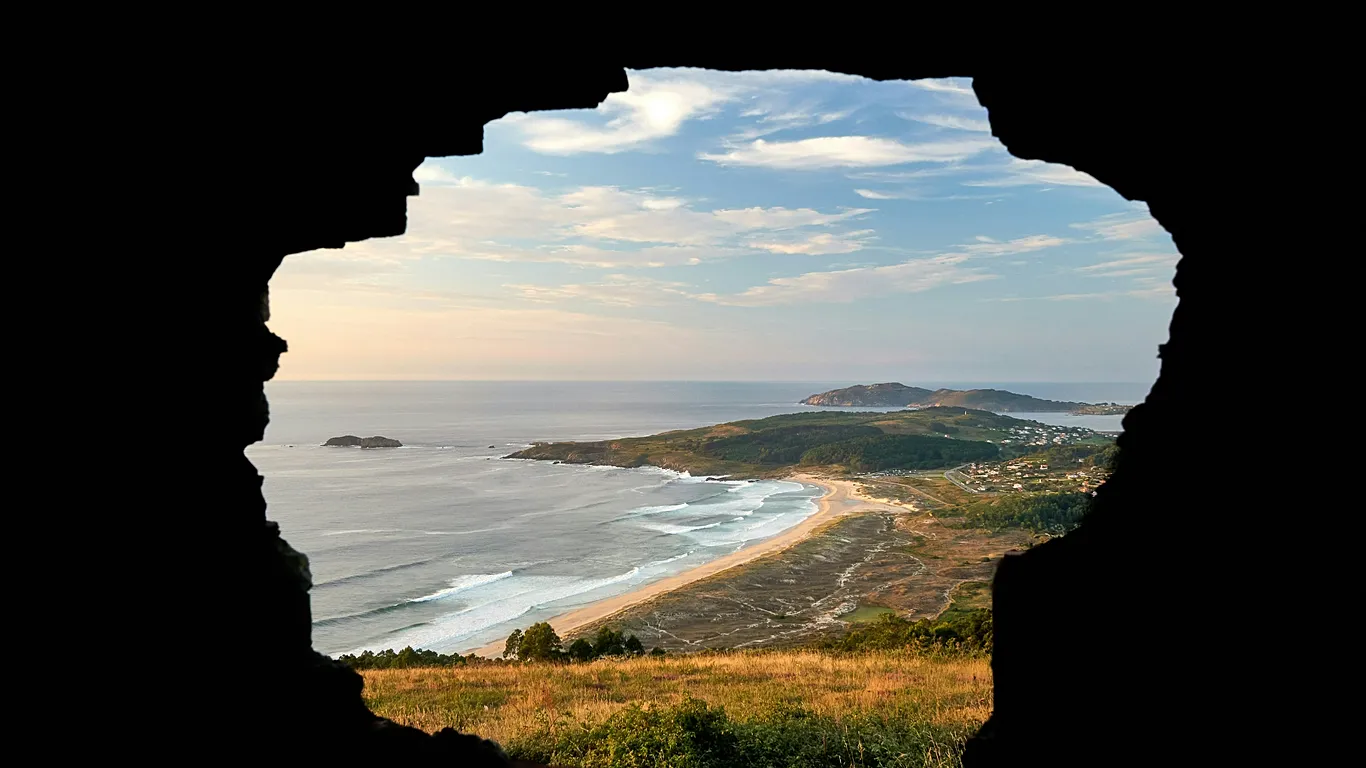
New research by Mabrian and Data Appeal indicates that international visitors are showing growing interest in northern regions and nature-focused experiences. While classic destinations such as Lazio and Tuscany in Italy, Andalusia in Spain, and Attica in Greece still account for a significant share of tourist stays, demand is rising fastest in less crowded and cooler areas.
Regions such as Vestland in Norway and southern Finland are seeing increased attention, alongside northern or less tourist-heavy parts of southern European countries. These include Galicia in Spain, Trentino-Alto Adige in Italy, and Normandy and Alsace in France. The trend reflects the rise of so-called “coolcations,” as higher summer temperatures make traditional holiday destinations less appealing.
At the same time, travelers are seeking out quieter alternatives to heavily visited areas. Central European regions in countries like Croatia and Poland are gaining popularity, as are less crowded coastal destinations in Greece, such as the Ionian Islands, and in Türkiye’s Marmara Region. Areas rich in cultural heritage, including Central Anatolia in Türkiye and Galway County in Ireland, are also attracting more visitors.
Researchers note that while culture remains an important motivation for travel, nature-based and active tourism experiences are becoming the primary drivers behind these emerging trends.
The data also highlights a shift in travel timing. Increasingly, international tourists are avoiding peak summer months—especially July and August—in favor of shoulder seasons. This change suggests a growing desire to escape both extreme heat and overcrowding.
Industry analysts say this evolving behavior presents opportunities for destinations to better distribute tourism flows across regions and seasons. However, they also emphasize the need for these emerging destinations to expand infrastructure and services to meet the expectations of a growing number of international visitors.