
Glacier Melt May Not Offset Climate Change as Previously Thought, New Study Finds
A theory once considered a potential “silver lining” in the climate crisis is now being questioned, as new research reveals major flaws in the idea that melting glaciers could help slow global warming.
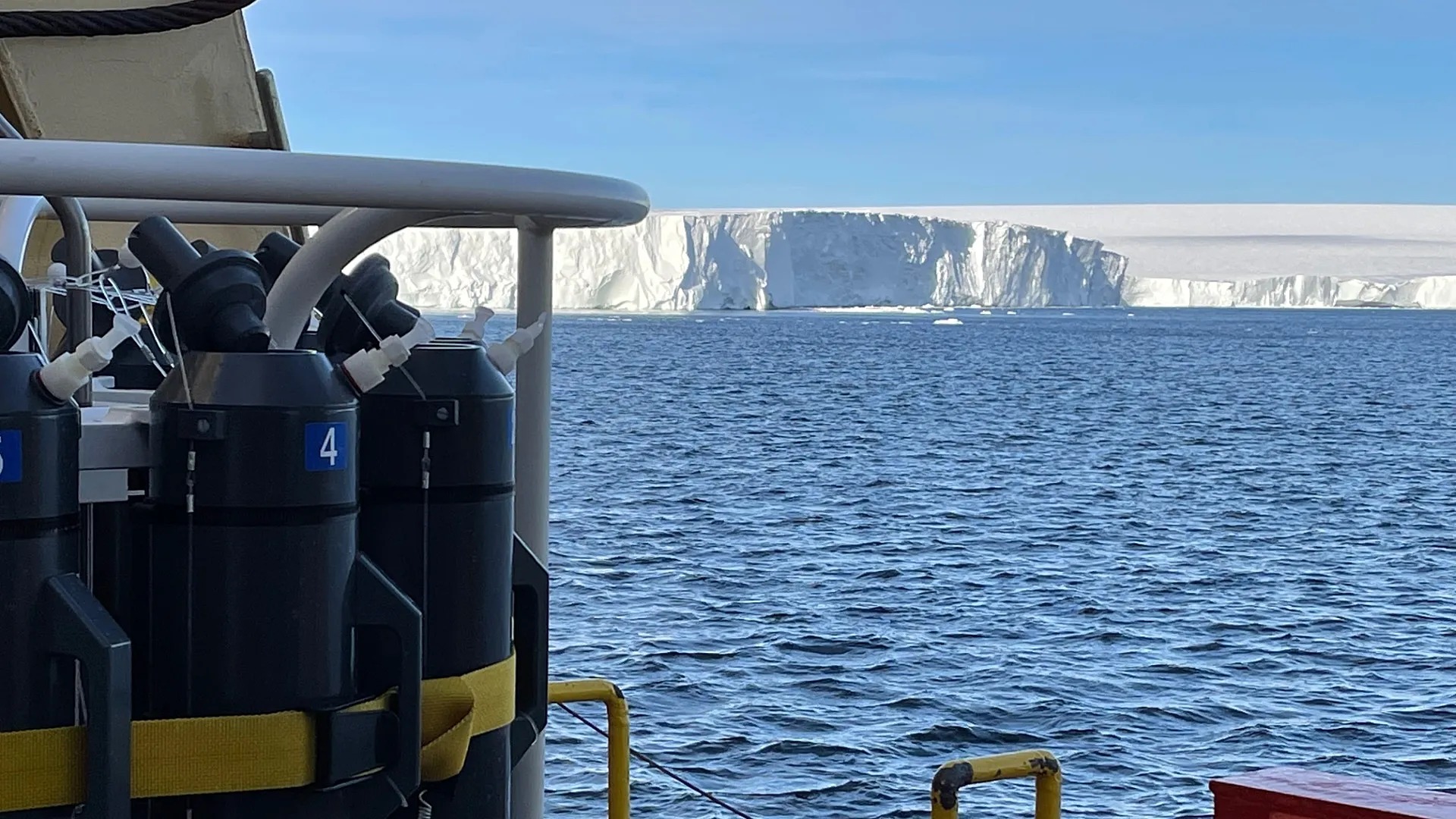
As greenhouse gas emissions continue to heat the planet, glaciers in Antarctica are melting at unprecedented rates. Although these icy regions are remote, their decline has far-reaching consequences worldwide.
One of the most closely watched is Thwaites Glacier, often referred to as the “Doomsday Glacier.” It currently contributes around 4 per cent of global sea level rise each year. Scientists warn that if it were to collapse entirely, sea levels could rise by as much as 65 centimetres.
To illustrate the scale of the threat, researchers estimate that every centimetre of sea level rise puts roughly six million people at risk of coastal flooding.
The promise of iron fertilisation
In the remote waters of the Southern Ocean, scientists had long considered a process known as iron fertilisation as a possible natural mechanism to help absorb carbon emissions.
As glaciers melt, iron trapped within the ice is released into surrounding waters. This iron was believed to stimulate blooms of microscopic algae, which absorb carbon dioxide through photosynthesis. When these organisms die, they sink to the ocean floor, potentially locking away carbon for long periods.
This idea even led some researchers to propose artificially adding iron to oceans as a form of geoengineering. However, critics have warned that such interventions could create oxygen-depleted “dead zones,” similar to those already observed in regions like the Baltic Sea due to pollution.
New findings challenge the theory
Recent research led by scientists at Rutgers University-New Brunswick suggests that the role of glacial meltwater in supplying iron has been significantly overestimated.
The team, working alongside researchers from institutions in the United States and the United Kingdom, conducted fieldwork in 2022 at the Dotson Ice Shelf in the Amundsen Sea—a region heavily affected by Antarctic ice loss.
This area is particularly important because it contributes substantially to rising sea levels. Here, meltwater forms beneath floating ice shelves as warmer ocean water flows into cavities beneath the ice.
To understand how much iron this meltwater delivers to the ocean, scientists collected samples from locations where seawater entered and exited these sub-ice cavities. By comparing the iron content of incoming and outgoing water, they were able to trace its sources.
Surprising results
Analysis revealed that only about 10 per cent of the dissolved iron found in outflowing water originated from the meltwater itself. The majority came from other sources—62 per cent from deep ocean waters and 28 per cent from sediments on the continental shelf.
Researchers also discovered a layer of meltwater beneath the glacier that lacks oxygen. This layer may contribute additional iron, but not in the way previously assumed.
According to the study’s authors, most of the iron associated with meltwater actually comes from the breakdown of bedrock beneath the ice sheet, rather than from the melting ice itself.
Implications for climate science
These findings suggest that the long-held belief that glacier melt could significantly enhance carbon absorption in the ocean may not be accurate.
The research, published in the journal Communications Earth and Environment, highlights the need for a deeper understanding of how Antarctic systems function as the planet warms.
While iron fertilisation once appeared to offer a hopeful counterbalance to rising emissions, scientists now caution that its impact is far more limited than previously thought.