
Heatwaves Are Now Triggering Sudden Droughts Worldwide, Scientists Warn
A new scientific study warns that heatwaves triggering rapid droughts are spreading across the planet at an increasingly fast pace, highlighting how climate change can intensify multiple extreme events at the same time.
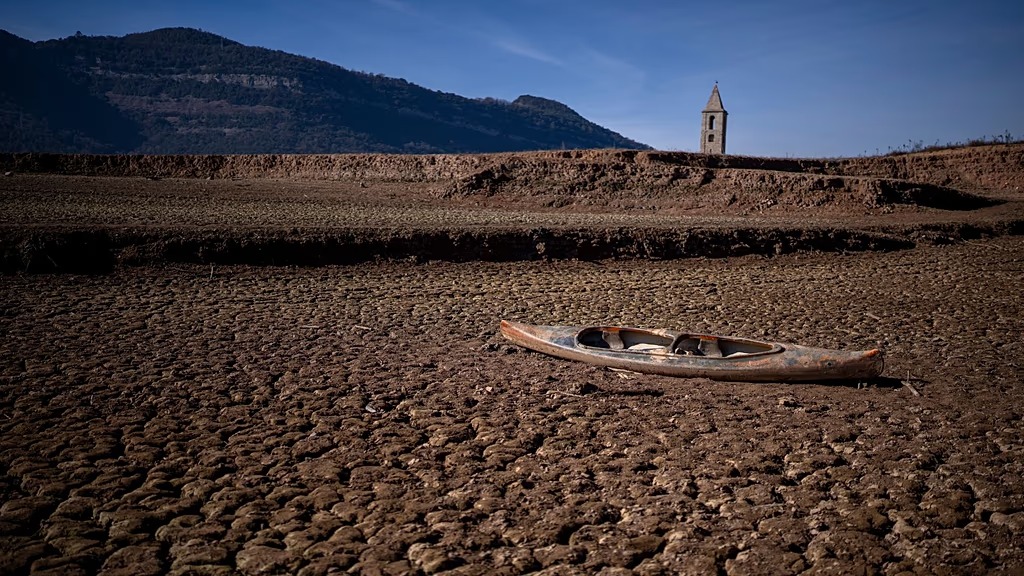
Researchers from South Korea and Australia examined “compound extreme weather” events—situations where intense heat and drought occur together. Their findings show that these combined events are becoming more frequent as global temperatures rise. Particularly concerning are cases where extreme heat arrives first and then causes drought conditions.
During the 1980s, these heat-triggered drought events affected roughly 2.5 percent of the Earth’s land each year. By 2023, the most recent year included in the study, the figure had jumped to 16.7 percent. Over the past decade, the average coverage has been about 7.9 percent of global land area.
Scientists say the situation may already be worsening due to the record global heat experienced in 2024 and the near-record temperatures of 2025.
The study, published in Science Advances, also found that the speed at which these events are increasing is alarming. For the first two decades after 1980, the spread of heat-first drought events grew slowly. However, during the past 22 years, the rate of increase has been roughly eight times faster.
Although drought followed by heat remains the more common pattern, researchers focused on heat-first events because they tend to produce more severe drought conditions. According to co-author Sang-Wook Yeh of Hanyang University, droughts that develop after extreme heat are generally stronger than those occurring in other sequences.
These situations can also trigger so-called “flash droughts,” which appear suddenly and leave little time for communities or farmers to prepare. Lead author Yong-Jun Kim explains that warmer air absorbs more moisture from the soil, accelerating the drying process and intensifying drought conditions.
Climate scientists say these compound extremes illustrate how different climate hazards can amplify one another. Andrew Weaver from the University of Victoria notes that when heatwaves occur alongside drought and wildfire risk—as seen during the 2010 Russian heatwave and the 2019–2020 Australian bushfires—the impacts can escalate rapidly.
Examples of such events include the 2021 “heat dome” in western North America, extreme heat and drought along China’s Yangtze River in 2022, and the intense heat and drought affecting the Amazon between 2023 and 2024.
The research also found that regions experiencing the largest increases in heat-triggered droughts include parts of South America, western Canada, Alaska, the western United States, and areas of central and eastern Africa.
Scientists identified a turning point around the year 2000, when these events began accelerating more rapidly. Some researchers suggest that this shift coincided with faster warming in the Arctic and declining sea ice.
While the exact causes remain uncertain, experts believe a strong El Niño event in 1997–1998 may have contributed to broader changes in Earth’s climate system. Climate models now suggest that another major El Niño episode could develop later this year.