
‘I’m not even wearing gloves’: Warming trends threaten the future of Winter Olympics host cities
Unseasonably mild temperatures in the Italian alpine town of Cortina are raising fresh concerns about the future of winter sports, as climate change continues to disrupt traditional seasonal patterns.
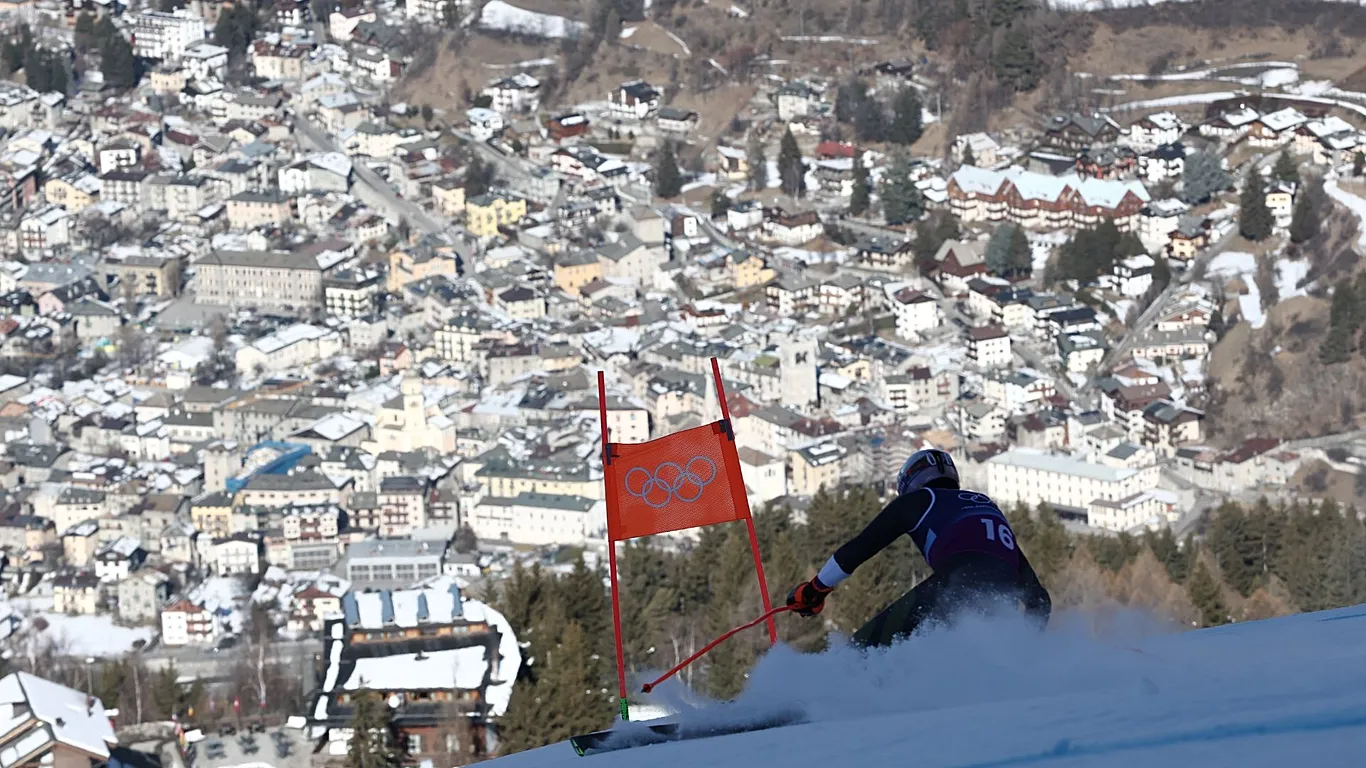
Visitors arriving for Olympic events expected freezing conditions, but instead found melting snow and unexpectedly warm weather. Spectators who had prepared for harsh winter conditions reported shedding layers as temperatures climbed, with some noting that gloves and heavy gear were no longer necessary.
According to Shel Winkley of Climate Central, such February warmth in Cortina is now at least three times more likely due to climate change. Over the past 70 years, average February temperatures in the region have risen by approximately 3.6°C, reflecting a broader global warming trend that is making winter conditions increasingly unpredictable.
These shifts are creating growing challenges for organisers of the International Olympic Committee (IOC). In response, officials are considering moving future Winter Games to earlier in the year, potentially starting in January instead of February, in an effort to secure more reliable cold-weather conditions.
The situation is further complicated by the geographic spread of the 2026 Winter Games, which will take place across multiple locations in northern Italy. Areas such as Bormio and Livigno, though relatively close, can experience markedly different weather due to mountainous terrain. To manage these variations, organisers are working closely with regional weather agencies and deploying advanced monitoring systems, including sensors positioned along ski courses and near competition venues.
Specialist observers—sometimes referred to as “snow scientists”—are also being used to collect real-time data where automated systems fall short. Despite these efforts, forecasts suggest that above-average temperatures could persist throughout parts of the competition period.
Weather conditions play a crucial role in the safety and fairness of winter sports. High temperatures can degrade snow quality on ski slopes, while humidity and warmth can affect ice conditions in indoor arenas. Wind and visibility are also critical factors, often forcing schedule adjustments or raising safety concerns.
Athletes have already begun adapting to these unpredictable conditions. Jackie Wiles noted that fluctuating weather has made competitions more challenging, requiring competitors to remain mentally focused despite changing circumstances.
As warming trends continue, experts warn that traditional winter sports—and the locations that host them—may face increasing uncertainty, highlighting the broader impact of climate change on global sporting events.