
Latin America’s Top Human Rights Court Declares Governments Legally Obligated to Act on Climate Change
Latin America’s highest human rights court has issued a landmark advisory opinion stating that governments have a legal responsibility to take action against climate change, marking a major development in regional climate law and accountability.
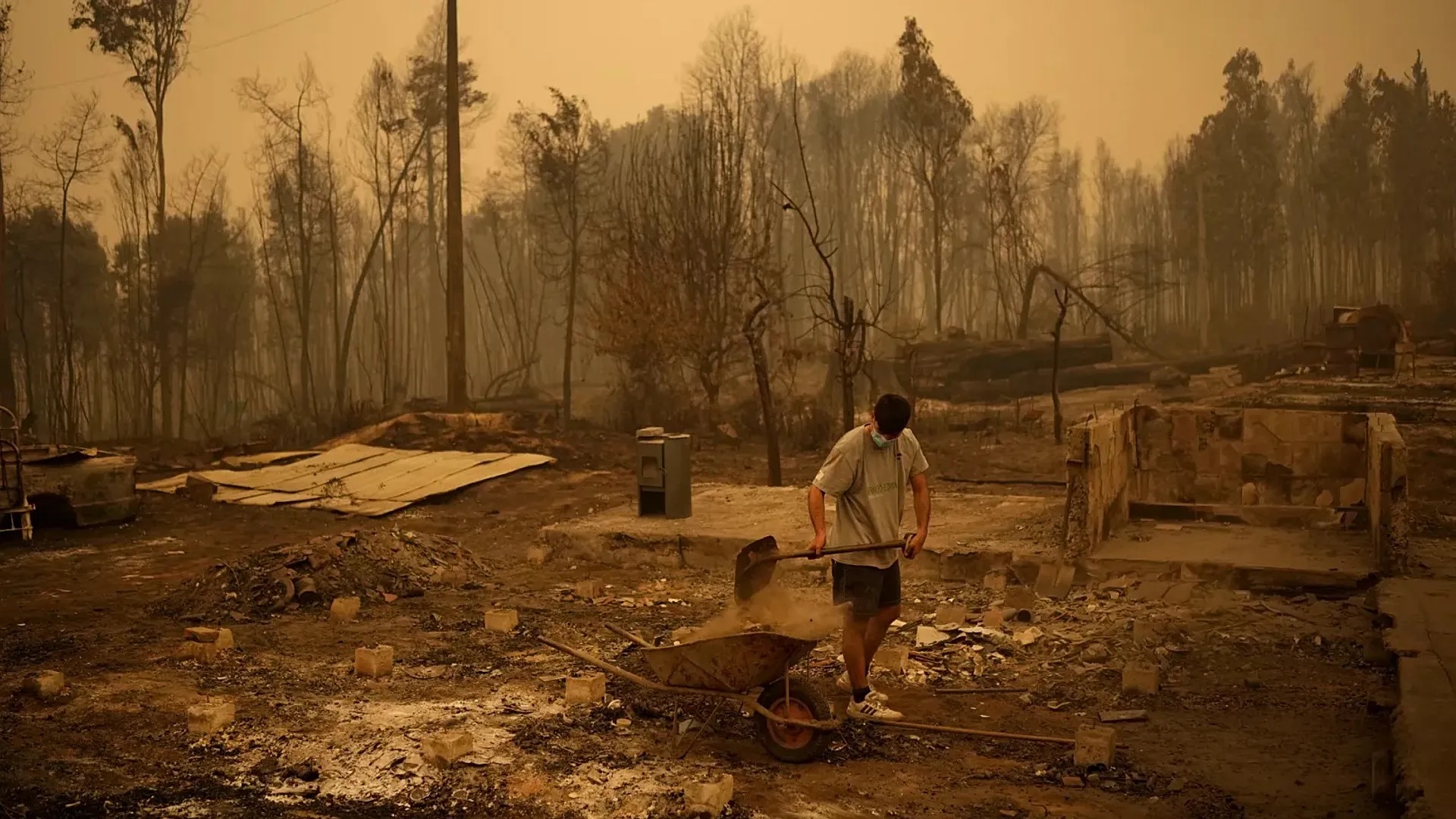
The Inter-American Court of Human Rights announced on Thursday that states are legally required to address environmental harm that threatens human rights. The ruling is expected to influence climate policy and legal cases across Latin America and the Caribbean.
The decision follows a 2023 request submitted by Colombia and Chile and represents the first advisory opinion of its kind issued by the court on climate change.
According to the court, governments have obligations under international law to prevent, reduce, and repair environmental damage that impacts fundamental human rights. This includes adopting laws, policies, and concrete actions aimed at limiting the effects of global warming.
The court further recognized that climate change poses a direct threat to present and future generations, emphasizing the need for urgent and coordinated action.
Legal experts say the ruling establishes key principles, including the recognition of a right to a healthy climate, the duty to prevent irreversible environmental destruction, and the responsibility to safeguard ecosystems for both current and future populations.
A representative from the Centre for International Environmental Law described the opinion as a historic step, stating that it confirms the world is facing a climate emergency that directly undermines human rights.
Although advisory in nature and not formally binding, the court’s opinions carry significant legal influence across member states of the Organization of American States. They often shape national legislation, court decisions, and international advocacy efforts.
The ruling is expected to strengthen climate-related lawsuits and human rights cases throughout the region, particularly as countries prepare for upcoming global climate negotiations, including COP30 scheduled to take place in Belém, Brazil.
The court also stressed that states are not only required to avoid environmental harm but must actively work to restore damaged ecosystems, using both scientific evidence and Indigenous knowledge as guiding principles.
Court officials emphasized that large-scale environmental destruction threatens the conditions necessary for human life and therefore requires strong legal and policy responses at the global level.
Experts note that the decision may become a key reference point for future climate litigation and policy development, both within the Americas and beyond.
Indigenous communities in Latin America have increasingly pushed for stronger environmental protections, with recent gatherings highlighting demands for enforcement of existing legal rulings on land and climate rights.
The Inter-American Court, based in San José, Costa Rica, has previously played an important role in advancing environmental and Indigenous rights across the region, including rulings against unauthorized mining and development projects on Indigenous lands.
This latest advisory builds on a 2017 decision that recognized the right to a healthy environment as a fundamental human right, expanding its application in the context of accelerating climate change.