
‘Like denying gravity’: Experts slam Trump’s rollback of key climate ruling
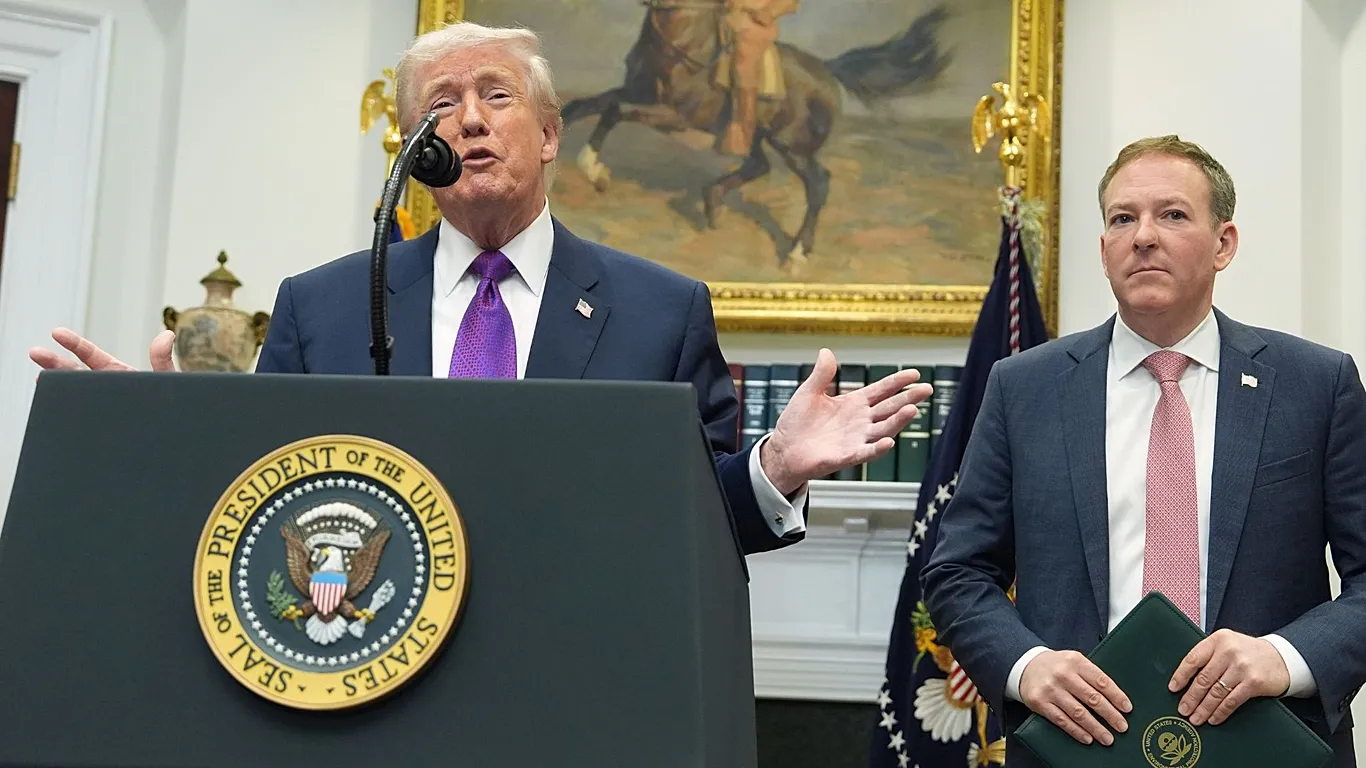
The decision by the administration of Donald Trump to revoke a key scientific finding linking climate change to public health risks has drawn sharp criticism from experts, who warn it could have serious consequences for human health.
The rollback targets a 2009 determination by the Environmental Protection Agency (EPA), established during the presidency of Barack Obama, which concluded that greenhouse gas emissions pose a danger to public health. That finding has long served as the legal foundation for U.S. climate regulations.
Public health specialists argue that overturning it ignores overwhelming scientific evidence. Howard Frumkin of the University of Washington described the move as comparable to denying basic scientific facts, stating that the risks of climate change are well documented.
A growing body of research links rising global temperatures to increased illness and mortality. A study published in JAMA found that annual heat-related deaths in the United States more than doubled between 1999 and 2023, reaching over 2,300 cases in a single year. Another global analysis in Nature Climate Change estimated that more than one-third of heat-related deaths worldwide are attributable to human-driven climate change, equating to thousands of deaths annually.
Researchers say the evidence base has expanded rapidly. According to data from National Library of Medicine, more than 29,000 peer-reviewed studies have examined the relationship between climate and health, with the majority published in recent years. These studies consistently find that climate change is contributing to a wide range of health risks, from heat-related illnesses to respiratory problems and infectious diseases.
Experts also highlight extreme weather events as a growing threat. Jonathan Patz of the University of Wisconsin-Madison pointed to the 2021 Pacific Northwest heatwave, which caused hundreds of deaths and was found to be far more likely due to climate change.
Beyond heat, studies link climate change to worsening air quality, waterborne diseases, mental health impacts, and disruptions to food systems. Lynn Goldman of George Washington University emphasized that climate change is affecting not only mortality but also overall well-being, as communities face displacement from rising seas, wildfires, and extreme storms.
While some research notes that cold-related deaths have declined in certain regions, scientists warn that rising temperatures will ultimately lead to increased overall mortality if warming continues beyond key thresholds. Without adaptation measures, the health burden is expected to grow rapidly.
Despite the administration’s dismissal of the link between climate change and health risks, experts maintain that the scientific consensus is clear. They warn that weakening regulatory frameworks could undermine efforts to protect public health at a time when climate-related impacts are becoming more severe and widespread.