
London homes increasingly overheating as climate change intensifies
Residents in London are increasingly facing overheating in their homes as climate change intensifies heat risks in the city’s dense urban environment, according to evidence presented to the London Assembly.
Data from City Hall shows that extreme heat is already having serious consequences. In 2022, more than one in ten of the UK’s 3,271 heat-related deaths occurred in London, highlighting the growing public health threat.
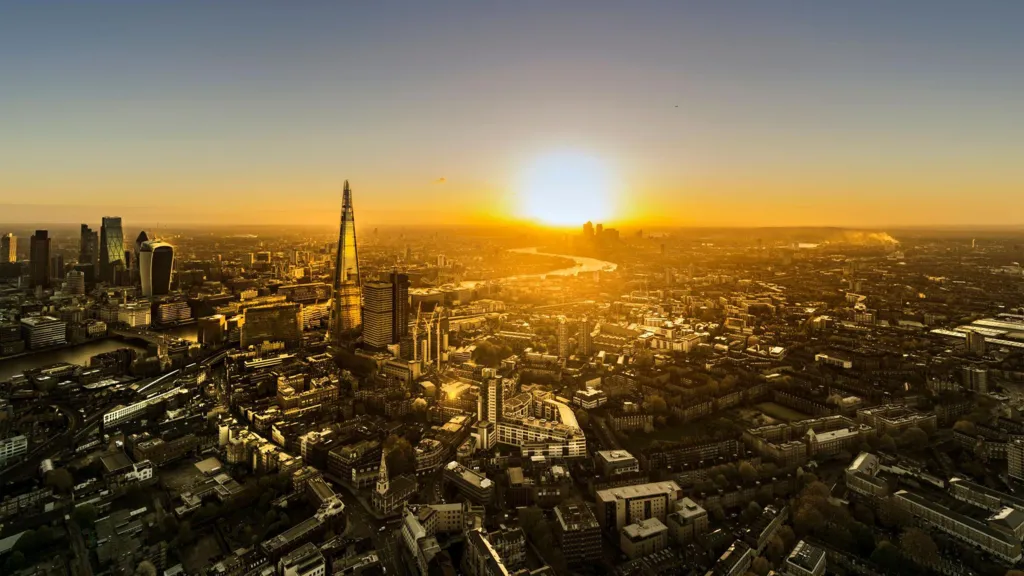
Experts say the problem is compounded by the “urban heat island” effect, where closely packed buildings, roads, and limited green space trap heat and raise temperatures above surrounding areas.
To address the issue, city authorities are developing a Heat Risk Delivery Plan, which could include expanding shaded “cool spaces,” installing more water refill points, and planting additional trees to help lower temperatures across the capital.
A key debate centres on how homes should be cooled. Current policy under the London Plan prioritises “passive” cooling solutions—such as green roofs, shading, and vegetation—over “active” systems like air conditioning. Officials argue that widespread use of air conditioning could increase energy demand and worsen urban heat by releasing hot air outdoors.
However, some experts warn that relying solely on passive measures may not be sufficient as temperatures rise. Analysts suggest that without proper planning, residents may turn to inefficient cooling devices, potentially increasing both costs and emissions.
Researchers also note a sharp rise in air conditioning adoption, indicating that demand for active cooling is already growing. Many argue that a balanced approach—combining passive design with efficient cooling technologies—will be necessary to protect residents during extreme heat.
At the same time, building design and planning regulations are being questioned. Architects and scientists say modern housing often prioritises large windows for natural light, but without adequate shading or ventilation, these features can significantly increase indoor temperatures.
Overall, experts warn that London’s current housing stock and planning framework are not fully equipped to handle rising temperatures, underscoring the need for urgent adaptation measures as climate change continues to reshape urban living conditions.