
Nature’s Hidden Climate Heroes: How Wildlife Helps Fight Global Warming
Wild animals across the planet are quietly contributing to the fight against climate change through their natural behaviors, according to environmental experts.
From large mammals that influence forests to marine species that support coral reefs, wildlife plays a hidden but important role in stabilizing ecosystems and capturing carbon.
As global temperatures continue to rise—now about 1.4°C higher than pre-industrial levels—climate change is causing more extreme weather events, significant economic losses, and increasing pressure on biodiversity. Human activities such as deforestation and intensive livestock farming are also accelerating the loss of wildlife and natural habitats.
Yet scientists say many wild species are helping counter some of these impacts through the ecological roles they perform.
Speaking ahead of World Wildlife Day, Ed Goodall from the World Federation for Animals emphasized that protecting wildlife is essential in addressing climate change. He noted that safeguarding animal populations and restoring habitats could be a key missing element in climate policy.
Animals that help store carbon
Large herbivores such as African forest elephant influence forest ecosystems in ways that increase carbon storage. Research published in Nature found that elephants change the structure of rainforests by reducing dense vegetation, allowing larger trees—capable of storing more carbon—to thrive.
According to the World Wide Fund for Nature, a single forest elephant can boost the carbon-capturing capacity of forests across roughly 250 acres, which is comparable to removing the annual emissions of more than 2,000 cars.
Predators can also influence carbon storage. A recent study published by Wiley found forests inhabited by tiger populations can store up to 12 percent more carbon per hectare. Tigers regulate populations of animals such as deer and wild boar, which might otherwise prevent young trees from growing.
Digging animals improving soil
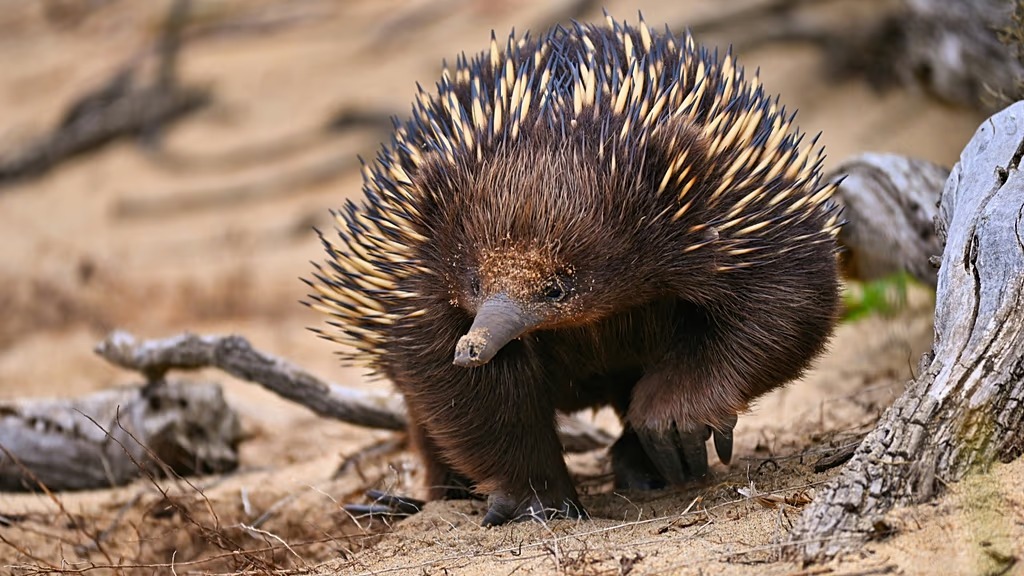
In Australia, species like the echidna and bettong contribute to ecosystem health by digging burrows and small pits in the soil. These disturbances help trap organic matter such as leaves and improve soil nutrients.
Environmental experts say this natural process increases soil moisture and supports vegetation growth, allowing forests to store more carbon while also reducing wildfire risks in increasingly dry landscapes.
Seabirds supporting coral reefs
Seabirds also play an important ecological role. By feeding in the ocean and returning to islands to nest, they transport nutrients that eventually reach nearby coral reefs.
A 2024 study published in Nature found that coral reefs near islands with dense seabird populations grew significantly faster. Coral colonies in these areas showed calcification rates up to 2.7 times higher than reefs near islands with fewer seabirds.
Marine animals spreading vital ecosystems
Marine species contribute to carbon storage as well. The green sea turtle consumes seagrass seeds and can transport them over distances of up to 650 kilometres, helping spread these important underwater plants.
Seagrass meadows are crucial carbon sinks and play an important role in protecting marine biodiversity. Similarly, dugong—often called sea cows—also help distribute seagrass in vulnerable ecosystems such as the Great Barrier Reef.
Beavers helping prevent floods and fires
Another species with a major ecological impact is the beaver. By building dams, beavers create natural water reservoirs that slow down floods and retain moisture in surrounding landscapes.
This ability becomes increasingly important as warmer temperatures allow the atmosphere to hold more moisture, leading to heavier rainfall events.
Beaver dams also act as natural fire barriers. Studies show areas with beaver-built wetlands experience significantly less wildfire damage because the landscape remains wetter and more resistant to fire.
Environmental experts say these examples highlight how wildlife protection can support climate resilience and strengthen natural ecosystems worldwide.