
Newly Released Papers Show Alexander Downer Warned of Severe Climate Risks in 2005
Previously confidential government documents have revealed that senior Australian officials warned as early as 2005 that climate change posed serious risks to the country’s economy, environment, and society.
The records, made public by the National Archives, show that the government led by John Howard was advised that climate change was progressing faster than expected and could have widespread consequences for Australia’s future.
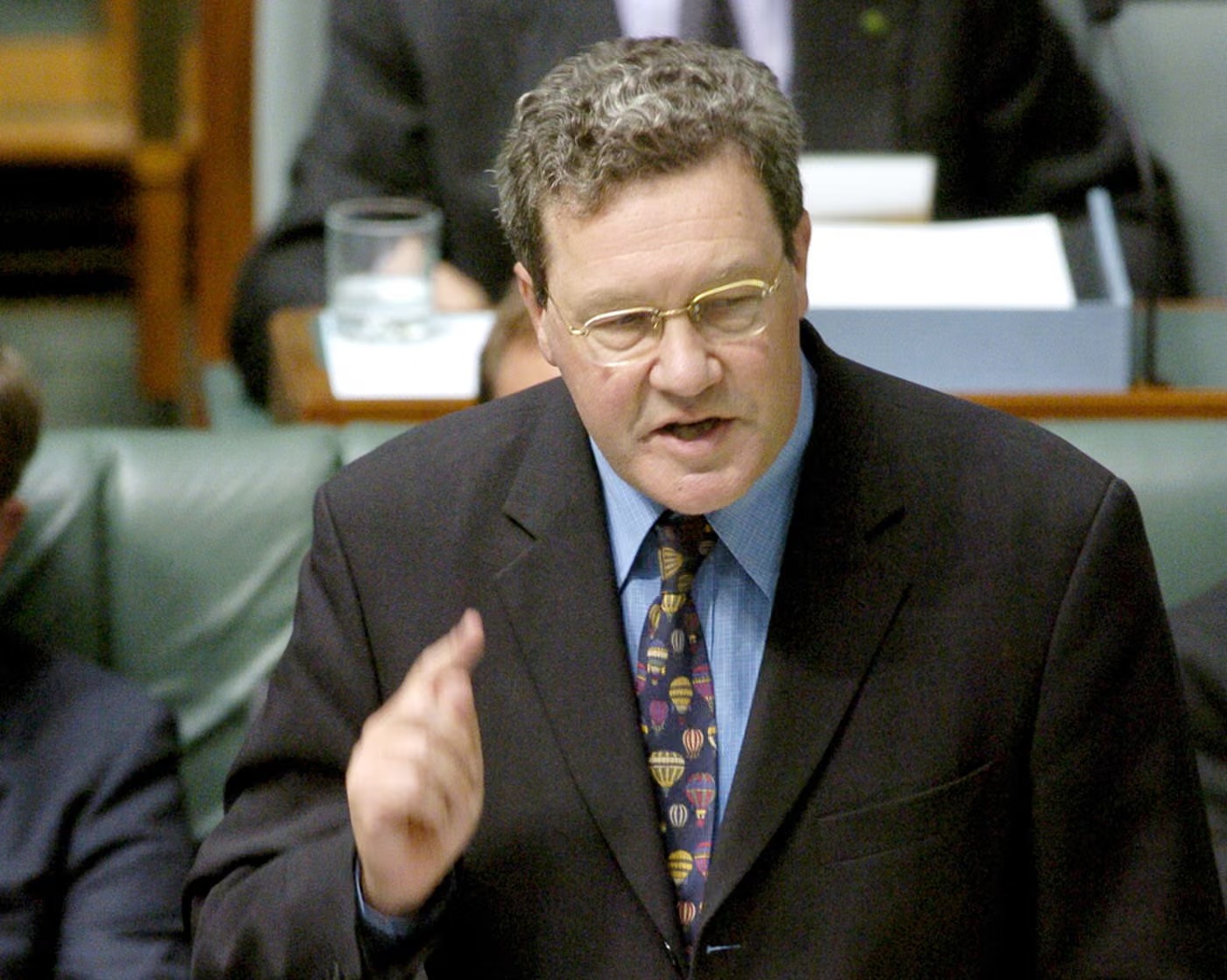
A cabinet submission prepared by then foreign minister Alexander Downer and environment minister Ian Campbell described global temperature increases as unprecedented in human history. It also noted that carbon dioxide levels were significantly higher than at any point in the previous 400,000 years.
The documents warned that Australia’s heavy reliance on coal would complicate efforts to balance economic growth with the need to reduce emissions. Officials predicted that this dependence could lead to major disruptions across multiple sectors, including economic stability, environmental systems, and social conditions.
According to the submission, climate change posed risks to key national systems such as water supplies, agriculture, electricity infrastructure, transport networks, public health, and coastal communities. The report also highlighted Australia’s particular vulnerability due to low rainfall in agricultural regions and a strong dependence on irrigation.
Officials warned that reduced rainfall and increasing drought conditions, especially in south-western and south-eastern parts of the country, would place significant strain on water resources. These conditions were also expected to contribute to more frequent and intense bushfires, as well as reduced agricultural productivity, particularly in areas already affected by soil degradation issues such as salinity and erosion.
The newly released documents also shed light on policy decisions made at the time. In 2002, the government chose not to ratify the Kyoto Protocol, which later came into force in 2005. This decision created uncertainty among investors, who warned that the absence of a stable long-term climate policy framework was discouraging investment in energy and industrial sectors.
Further records show that in 2003, Prime Minister Howard rejected a proposal to introduce an emissions trading scheme, citing concerns from business leaders. The following year, the cabinet also declined recommendations to strengthen renewable energy targets aimed at reducing emissions.
By 2007, however, Howard shifted his position and expressed support for an emissions trading system following internal advice, as political pressure mounted from opposition leader Kevin Rudd.
Former attorney general Philip Ruddock later acknowledged that the government was aware of the growing scientific consensus on climate change at the time. He emphasized that Australia should play its role in addressing the issue globally.
The documents also reveal that the Treasury supported developing an international climate strategy that would balance environmental effectiveness with economic efficiency, while avoiding placing excessive burdens on the Australian economy.
In contrast, Downer’s more recent comments suggest a shift in tone. He has questioned aspects of the scientific consensus and argued that the economic costs of climate action should be carefully considered, emphasizing the need for proportional responses.
The release of these cabinet papers highlights that concerns about climate change and its potential impacts were well understood within government circles decades ago, even as policy responses at the time remained cautious and contested.