
‘Normal left behind’: El Niño could return this year, pushing global temperatures even higher
Concerns are mounting that global temperatures could reach new highs this year, as scientists warn that an El Niño event may develop in the coming months—though uncertainty remains.
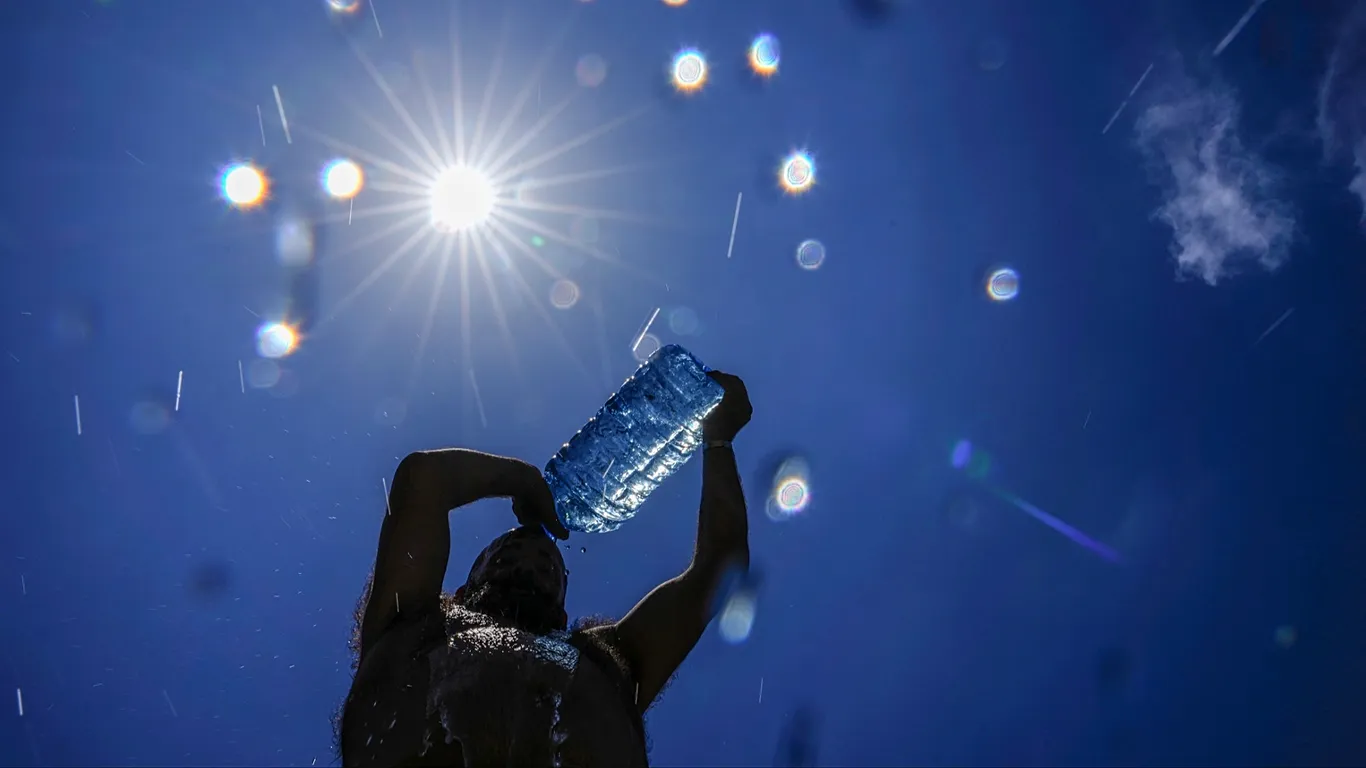
According to the National Oceanic and Atmospheric Administration (NOAA), there is a 50–60 percent likelihood that El Niño conditions could form between July and September, following a transition from La Niña to neutral conditions earlier in the year. However, forecasters caution that predictions made this far in advance carry significant uncertainty.
El Niño and La Niña are opposing climate phases in the Pacific Ocean that influence weather patterns worldwide. Under normal conditions, trade winds push warm surface waters westward. During El Niño, these winds weaken or reverse, causing warmer-than-average waters to accumulate in the eastern Pacific. In contrast, La Niña strengthens these winds, bringing cooler waters to the surface in the eastern Pacific.
These shifts have far-reaching impacts. El Niño is typically associated with reduced rainfall across tropical regions, potentially weakening monsoon systems in parts of Asia, Africa, and South America. At the same time, it can bring heavier rainfall and flooding to regions such as the southern United States and parts of South America and Africa.
The phenomenon is also linked to increased global temperatures. Scientists estimate that a typical El Niño event can temporarily raise average global temperatures by around 0.1 to 0.2°C, contributing to record-breaking heat when combined with long-term warming trends driven by greenhouse gas emissions.
Researchers note that defining El Niño itself is becoming more complex. Traditionally, it has been identified when sea surface temperatures in parts of the Pacific exceed historical averages by at least 0.5°C, based on long-term climate baselines. However, as global temperatures rise, these baselines are shifting.
NOAA has recently introduced a revised index that compares Pacific temperatures with the broader tropical average, rather than relying solely on historical norms. Scientists say this updated method may lead to fewer events being classified as El Niño and more as La Niña, reflecting a warming climate where past definitions of “normal” are no longer reliable.
Experts warn that if El Niño does develop, it could push global temperatures to unprecedented levels. Jennifer Francis of the Woodwell Climate Research Center said that with so much heat already accumulated in the climate system, the return of El Niño could intensify extreme weather worldwide.
Scientists stress that while El Niño is a natural climate cycle, its effects are now being amplified by human-driven climate change—raising the likelihood of more severe heatwaves, storms, and other extreme events in the near future.