
Outdated Economic Models Could Leave Global Economy Vulnerable to Climate Collapse, Experts Say
Experts are warning that current economic models used by governments and financial institutions significantly underestimate the risks posed by climate change, potentially leaving the global economy exposed to severe disruption or even collapse.
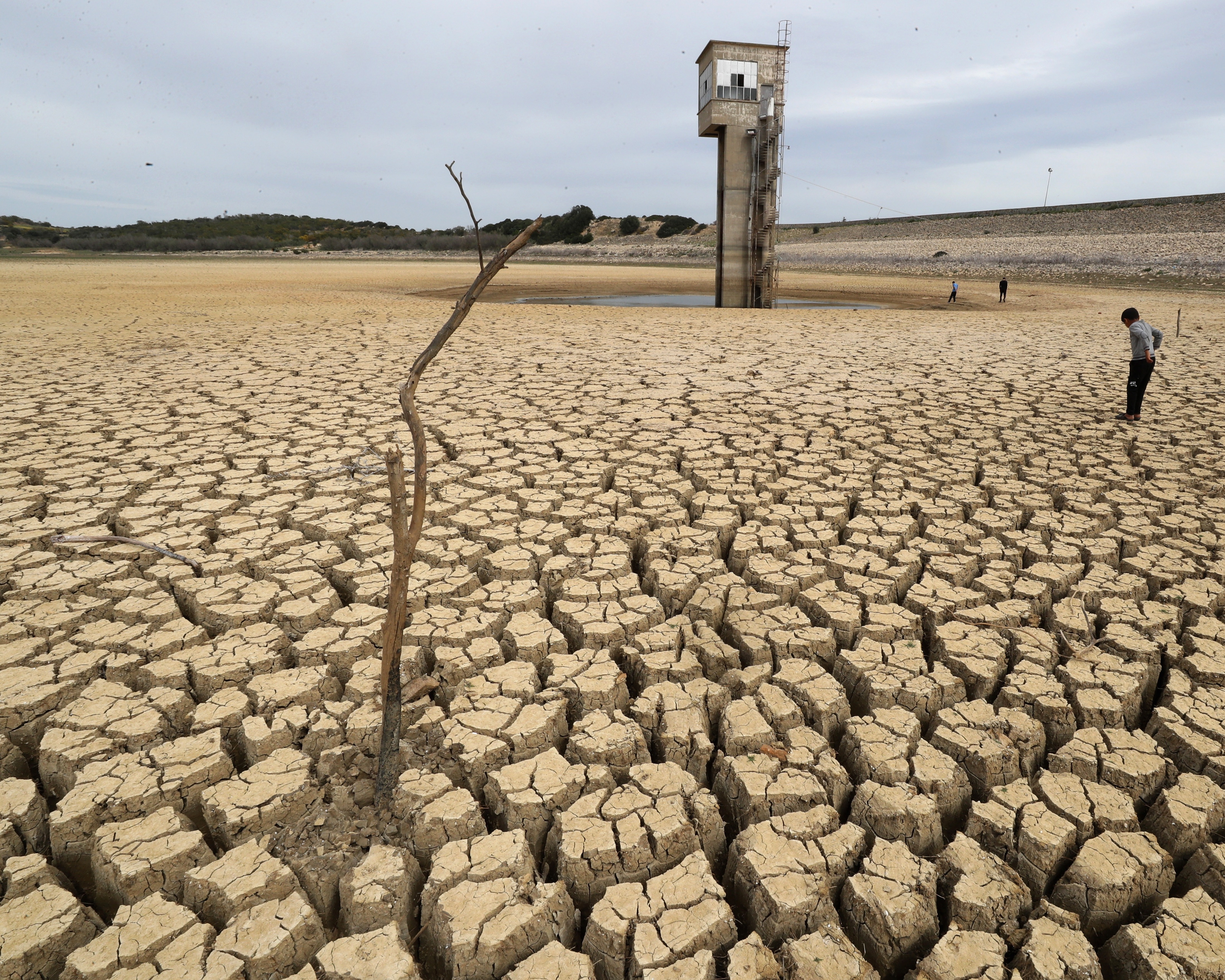
Researchers argue that as global temperatures move closer to a 2°C increase, the likelihood of extreme weather events and climate tipping points is rising rapidly. However, many economic forecasts fail to account for these sudden and potentially devastating shocks, instead assuming gradual and predictable impacts on growth.
This reliance on historical patterns is increasingly problematic, as climate change is pushing environmental systems into conditions never before experienced. Scientists warn that tipping points—such as the breakdown of major ocean currents or the melting of ice sheets—could trigger widespread and irreversible consequences for economies worldwide.
The report, developed by researchers from the University of Exeter and the Carbon Tracker Initiative, highlights that multiple extreme events occurring simultaneously could overwhelm national economies. In such a scenario, recovery would be far more difficult than during past financial crises.
Unlike the 2008 financial crash, experts emphasize that there would be no simple bailout solution. Once ecosystems are severely damaged or climate systems destabilized, the losses cannot easily be reversed.
One of the key criticisms is that traditional models focus primarily on average temperature increases, while the most severe economic impacts are driven by extreme events such as floods, droughts and heatwaves. These events can cause cascading failures across infrastructure, agriculture and supply chains.
Additionally, common economic indicators such as GDP may fail to capture the true scale of damage. While reconstruction efforts after disasters can temporarily boost economic activity, they do not reflect losses in human life, health or environmental stability.
Some projections suggest that without significant changes, global GDP could decline by as much as 50 percent between 2070 and 2090 due to climate-related shocks. These estimates are far more severe than earlier forecasts and highlight the scale of the potential crisis.
Experts are calling on policymakers and financial institutions to reassess how they evaluate climate risks. They argue that focusing on worst-case scenarios and systemic vulnerabilities—rather than relying solely on average projections—is essential for preparing for future disruptions.
The report concludes that accelerating the transition away from fossil fuels is not only an environmental necessity but also a financial imperative. Delaying action, researchers warn, could result in far greater economic costs and long-term instability.