
Patriots Break “Cordon Sanitaire” to Take Control of Key EU Climate File in European Parliament
Far-right MEPs from the Patriots for Europe group are set to take a leading role in shaping the European Union’s next major climate policy, marking a significant political shift inside the European Parliament.
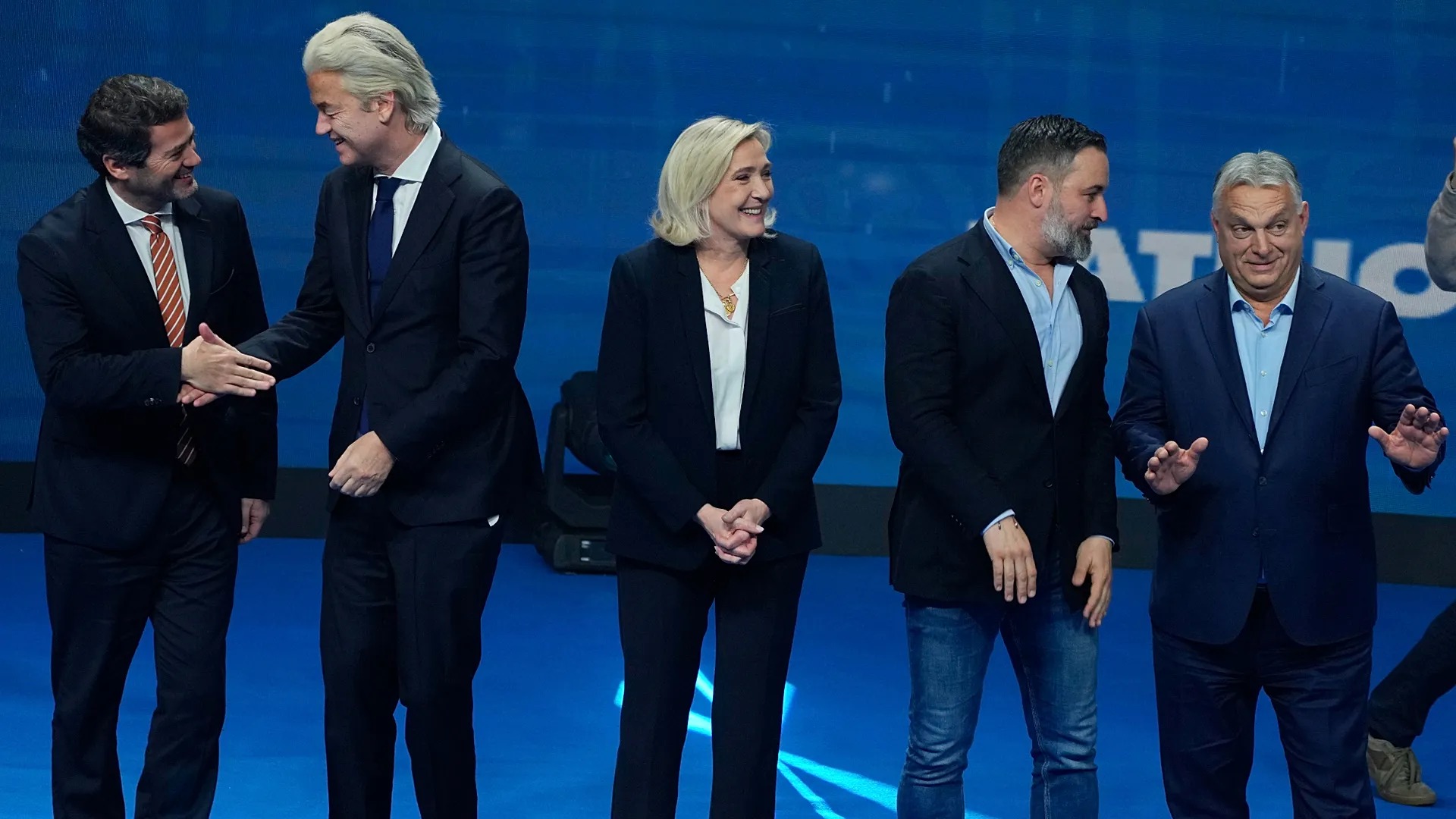
According to MEPs and parliamentary officials, the group has been assigned responsibility for negotiating the EU’s proposed 2040 climate target. This decision gives the Patriots influence over legislation aimed at cutting EU greenhouse gas emissions by 90% by 2040.
Socialist group leader Iratxe García confirmed the development during a press briefing in Strasbourg, stating that the Patriots have been given the rapporteurship for the file. This means they will act as the lead negotiators in drafting the Parliament’s position on the Commission’s proposal.
The European Commission has put forward an amendment to the EU Climate Law that sets out a legally binding goal of reducing net emissions by 90% compared to 1990 levels by 2040. The proposal still requires negotiation and approval by both the European Parliament and the Council of the EU.
Officials say the allocation of this high-profile dossier to the Patriots for Europe—currently the third-largest political group in Parliament—results from internal parliamentary rules governing the distribution of legislative files among political groups. The Patriots have 11 members on the Environment, Public Health and Food Safety (ENVI) committee, including representatives from France’s National Rally and Italy’s Lega party.
The group has repeatedly expressed opposition to the EU’s Green Deal and broader climate agenda. National Rally leader Jordan Bardella has previously called for a suspension of key elements of EU climate policy, reflecting the group’s critical stance toward the bloc’s environmental strategy.
Holding the rapporteur role gives the Patriots significant procedural influence over the legislative process. While they cannot block a final agreement on their own, they can shape negotiations, slow progress, and influence the political direction of the text.
The Commission’s climate proposal is intended to reinforce the EU’s commitment to reaching climate neutrality and to set a clearer pathway toward long-term emissions reduction goals that underpin the European Green Deal.
The decision has also sparked political controversy because it challenges the so-called “cordon sanitaire” practice in the European Parliament. This informal agreement among centrist and pro-European groups is designed to limit far-right influence by excluding them from key leadership and agenda-setting positions within committees.
Historically, this approach has been used to keep parties such as France’s National Rally, Hungary’s Fidesz, and Italy’s Lega from holding influential parliamentary roles.
The issue has previously led to legal and political disputes. Last year, Jordan Bardella and other Patriots MEPs, including Hungary’s Kinga Gál, filed a complaint with the European Court of Justice, arguing against their exclusion from leadership positions under the cordon sanitaire practice.