
Rising Temperatures Threaten EV Battery Life — But New Technology May Provide a Solution
Climate change is presenting a paradox for the transition to electric vehicles (EVs), as rising temperatures threaten battery performance—yet technological advances may help overcome these challenges.
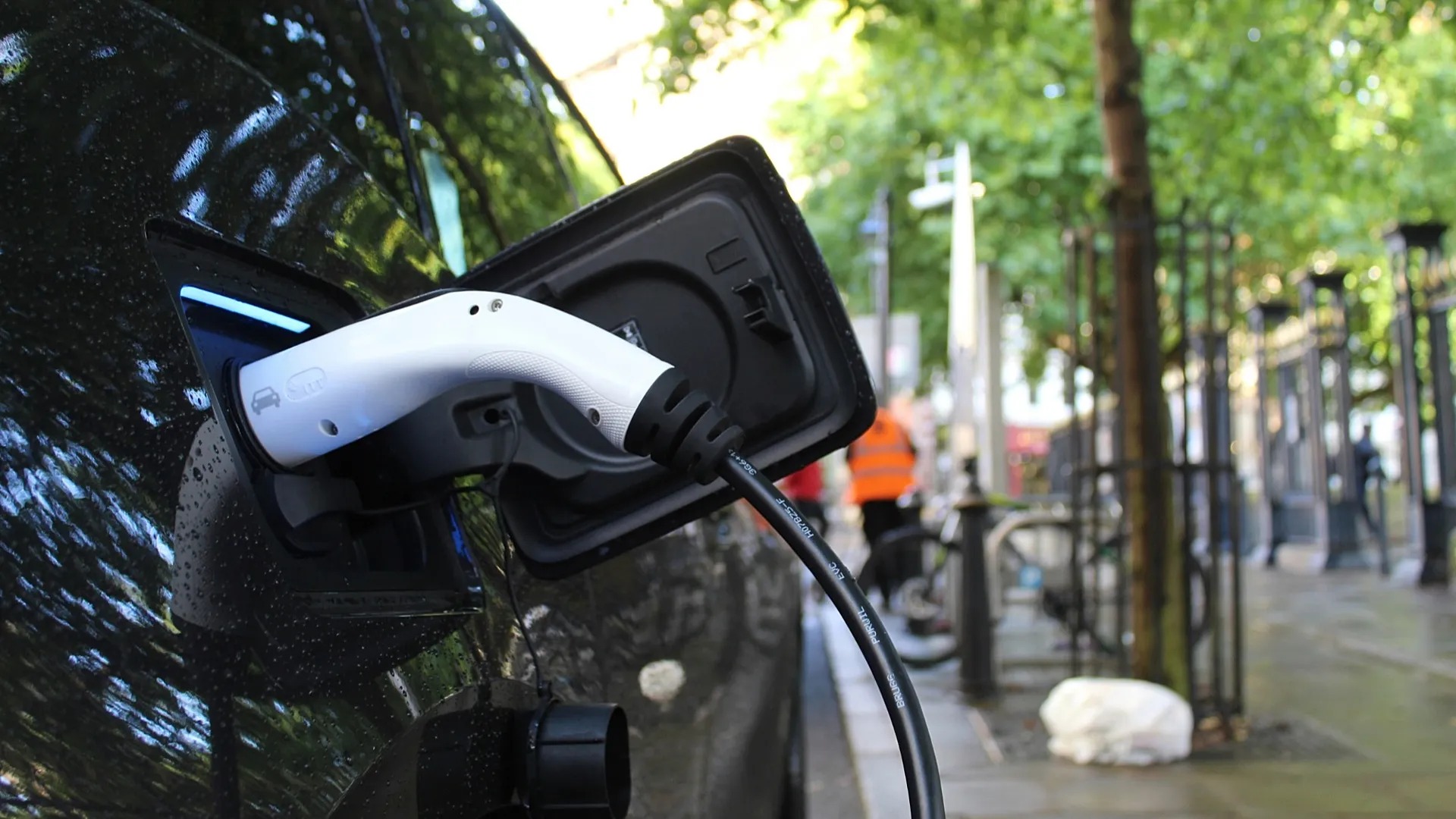
Driven by environmental concerns, more consumers are turning to EVs. Data from the European Automobile Manufacturers’ Association shows that fully electric car sales in the EU surpassed petrol-only vehicles for the first time in December 2025. The shift is further reflected in growing hybrid vehicle adoption and a sharp decline in petrol car registrations, which dropped by nearly 19 per cent across major European markets last year.
Despite this progress, one of the key concerns for potential buyers remains how EVs perform under extreme weather conditions.
Heat is becoming a major obstacle
The warming climate is intensifying this issue. The year 2025 ranked among the hottest ever recorded globally and in Europe, with average temperatures reaching approximately 1.5°C above pre-industrial levels.
According to Copernicus Climate Change Service, this increase is largely driven by the accumulation of greenhouse gases and rising sea surface temperatures—both linked to human activity.
High temperatures can significantly affect EV performance. A 2025 study by What Car? found that electric vehicles may lose up to 44 per cent of their advertised driving range when exposed to heat between 32°C and 44°C.
Automaker Polestar explains that temperature directly influences the chemical reactions within batteries. While cold slows these reactions, excessive heat accelerates them, often leading to unwanted processes that speed up battery degradation.
Technological progress offers hope
Despite these concerns, recent innovations in battery design are helping to counteract the effects of rising temperatures.
Research conducted by the University of Michigan compared older EV batteries (produced between 2010 and 2018) with newer models developed between 2019 and 2023.
The study found that in a scenario where global temperatures rise by 2°C, older batteries could experience up to a 30 per cent reduction in lifespan. In contrast, newer batteries show far greater resilience, with an average lifespan reduction of just 3 per cent and a maximum decline of around 10 per cent.
Lead researcher Haochi Wu noted that these advancements should give consumers greater confidence in EV technology, even in a warming climate.
Regional differences remain a concern
However, the findings come with limitations. The research focused on two representative models—the Tesla Model 3 and the Volkswagen ID.3—which are widely used in Europe and the United States.
Senior researcher Michael Craig pointed out that battery performance may vary significantly in other regions, such as India or sub-Saharan Africa, where vehicle fleets and technologies differ.
This raises concerns about global inequality, as many of the regions most vulnerable to climate change may not benefit equally from the latest technological improvements.
A critical moment for the EV transition
As temperatures continue to rise, ensuring that EVs remain reliable in extreme conditions will be crucial for maintaining public confidence and accelerating the shift away from fossil fuels.
While climate change poses new challenges for electric mobility, ongoing innovation in battery technology suggests that the industry may still be able to stay ahead of the curve.