
Sea Levels Higher Than Estimated, Putting Millions More at Risk of Severe Coastal Flooding
New research suggests that rising sea levels driven by climate change may pose a far greater threat to coastal populations than previously believed, potentially exposing tens of millions more people to extreme flooding risks.
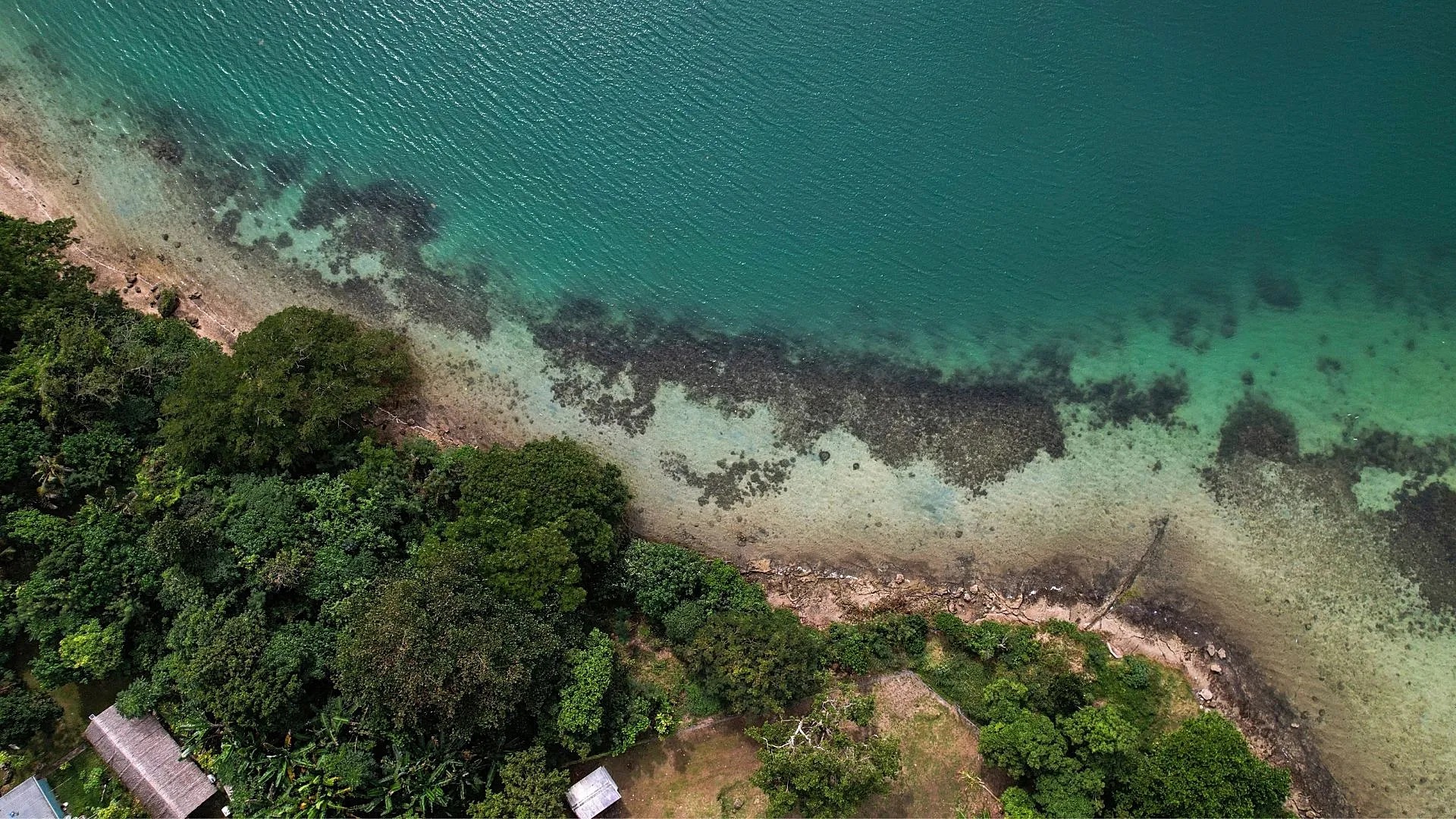
The study, published in the journal Nature, identifies a significant flaw in how scientists and planners have been measuring coastal water levels. After reviewing hundreds of studies and risk assessments, researchers found that around 90 per cent had underestimated baseline sea levels by an average of 30 centimetres.
This discrepancy is particularly pronounced in regions such as Southeast Asia, the Pacific and much of the Global South, while Europe and Atlantic coastlines appear less affected.
A critical gap in measurement methods
According to co-author Philip Minderhoud of Wageningen University & Research, the issue stems from a mismatch between how ocean levels and land elevations are calculated. Each system measures its own domain accurately, but fails to properly account for the complex conditions where land and sea meet.
Lead author Katharina Seeger explains that many models rely on a simplified “zero-metre” baseline for sea level, which does not reflect real-world coastal dynamics. In some Indo-Pacific regions, actual water levels can be nearly a metre higher than assumed.
In reality, coastal zones are influenced by waves, tides, wind, currents, temperature shifts and phenomena such as El Niño—factors often overlooked in traditional modelling approaches.
Greater risks than previously projected
When these corrected baseline measurements are applied, the implications are significant. If global sea levels rise by just over one metre by the end of the century—as many projections suggest—up to 37 per cent more land could be flooded than earlier estimates indicated.
This would put an additional 77 million to 132 million people at risk of coastal inundation, dramatically increasing the scale of potential damage and the need for adaptation planning.
Climate scientist Anders Levermann, who was not involved in the research, notes that many vulnerable populations—especially in Southeast Asia—are already facing heightened risks that may now be even more severe than previously thought.
Real-world impacts already visible
For communities in low-lying island nations, the findings reflect lived reality. In Vanuatu, rising seas have already eroded coastlines, displaced infrastructure and forced relocation efforts.
Teen climate activist Vepaiamele Trief described how shorelines have visibly retreated during her lifetime, with homes now dangerously close to the water and even burial sites submerged.
“These projections are not abstract numbers—they represent real lives and communities,” she said, emphasising the urgency of addressing the crisis.
Debate among scientists
While the study highlights a major gap in current modelling, some experts caution that its implications may be overstated. Researchers such as Gonéri Le Cozannet argue that the issue is already recognised and partially accounted for in local planning efforts.
Others, including Ben Strauss, agree that the problem lies primarily in the baseline assumptions used in global analyses rather than in the underlying science itself.
A warning for future planning
The findings suggest that governments and policymakers may be working with incomplete data when preparing for climate-related risks. Combined with other uncertainties—such as how much carbon the oceans absorb—this raises concerns about the accuracy of broader climate projections.
As sea levels continue to rise, researchers stress the importance of refining measurement methods to ensure that adaptation strategies reflect real-world conditions.
For many coastal communities, the consequences are already unfolding. As one climate advocate put it, rising seas are not just reshaping coastlines—they are transforming entire ways of life.