
Study Finds Climate Disaster Conspiracies Spread Faster Than Emergency Alerts on Social Media
A new study suggests that false information and conspiracy theories about extreme weather events are spreading on social media platforms more rapidly than official emergency warnings, potentially undermining disaster response efforts and public safety.
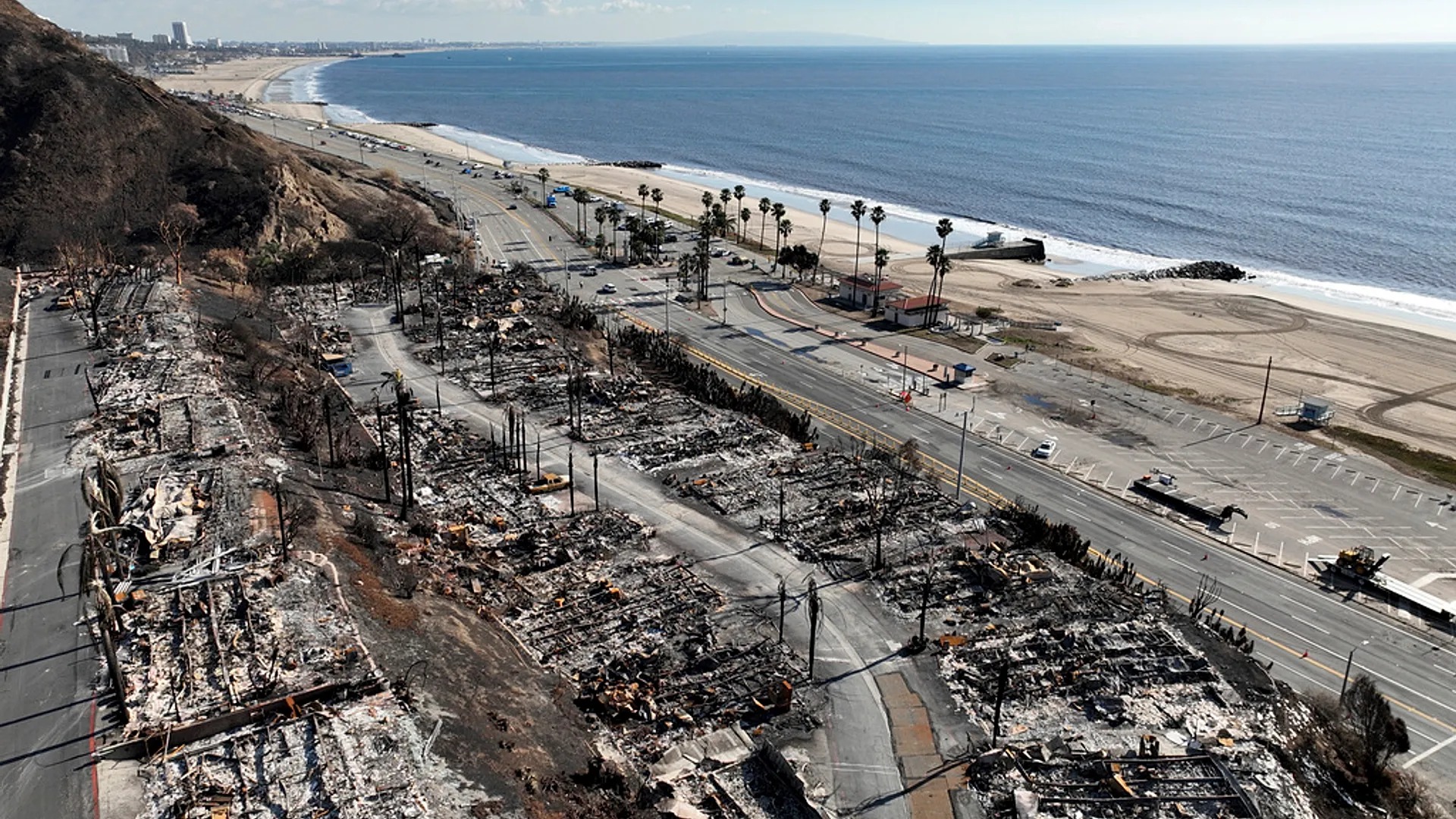
The research, conducted by the Centre for Countering Digital Hate (CCDH), argues that platforms such as Meta, X, and YouTube are allowing misleading and false claims to circulate widely during major climate-related disasters, including wildfires and hurricanes.
According to the report, this trend has contributed to weakened public trust in emergency services and, in some cases, disrupted the effectiveness of disaster response operations.
Conspiracy content spreads during climate emergencies
Researchers analysed 300 viral posts across Meta, X, and YouTube connected to recent extreme weather events such as the Los Angeles wildfires and Hurricanes Helene and Milton. The study examined different categories of misinformation, including false claims about disaster causes, emergency relief efforts, climate change itself, and political responses.
The findings suggest that during these events, social media platforms often boosted conspiracy-related content while failing to consistently highlight verified emergency information.
The report claims that fact-checking mechanisms were largely absent across the platforms examined. Around 98% of the analysed posts on Meta reportedly lacked fact-check labels or corrective context, while X showed similar moderation gaps in 99% of cases. YouTube was reported to have no fact-checking or contextual moderation on the posts studied.
Weak moderation and algorithmic amplification
The study argues that most misleading content remained unchallenged before being amplified by platform algorithms, increasing its visibility and reach while generating advertising revenue.
Imran Ahmed, CEO of the CCDH, criticized social media companies, stating that misinformation during disasters is being monetized and distributed in ways that prioritize engagement over accuracy. He argued that the system encourages the spread of emotionally charged and divisive content during moments of crisis.
False claims during major disasters
The report highlights a surge of conspiracy theories following Hurricanes Helene and Milton in late 2024 and the Los Angeles wildfires in early 2025. These included claims that hurricanes were artificially engineered weapons and that wildfires were deliberately started using advanced technologies.
Other posts falsely alleged unequal distribution of disaster aid and spread scams impersonating official relief agencies, further confusing affected communities and survivors.
Researchers say such narratives often spread more rapidly than verified updates from emergency services or established news organizations.
Influence of high-profile accounts
The study also raises concerns about the role of influential and verified users in spreading misinformation. It claims that verified accounts—often given increased visibility and monetization tools—accounted for a large proportion of misleading content.
During the Los Angeles wildfires, radio host Alex Jones reportedly shared conspiracy-related claims that collectively reached higher engagement levels on X than updates from major emergency agencies and news organizations combined.
The report estimates that 88% of misleading posts on X, 73% on YouTube, and 64% on Meta originated from verified accounts.
Growing concern over digital misinformation
Journalists and researchers quoted in the study warn that climate-related misinformation is becoming more sophisticated and widespread, especially during periods of environmental crisis when public reliance on accurate information is highest.
They argue that the combination of algorithmic amplification, monetization systems, and weak moderation policies allows false narratives to spread rapidly, potentially delaying emergency responses and increasing public risk.
As extreme weather events become more frequent and severe, the study concludes that the consequences of online misinformation may become increasingly dangerous if not addressed.