
Supreme Court to Review Oil Giants’ Bid to Dismiss Climate Lawsuits
The Supreme Court of the United States has agreed to hear a major case brought by energy companies seeking to block climate change lawsuits, a decision that could shape the future of similar legal actions across the country.
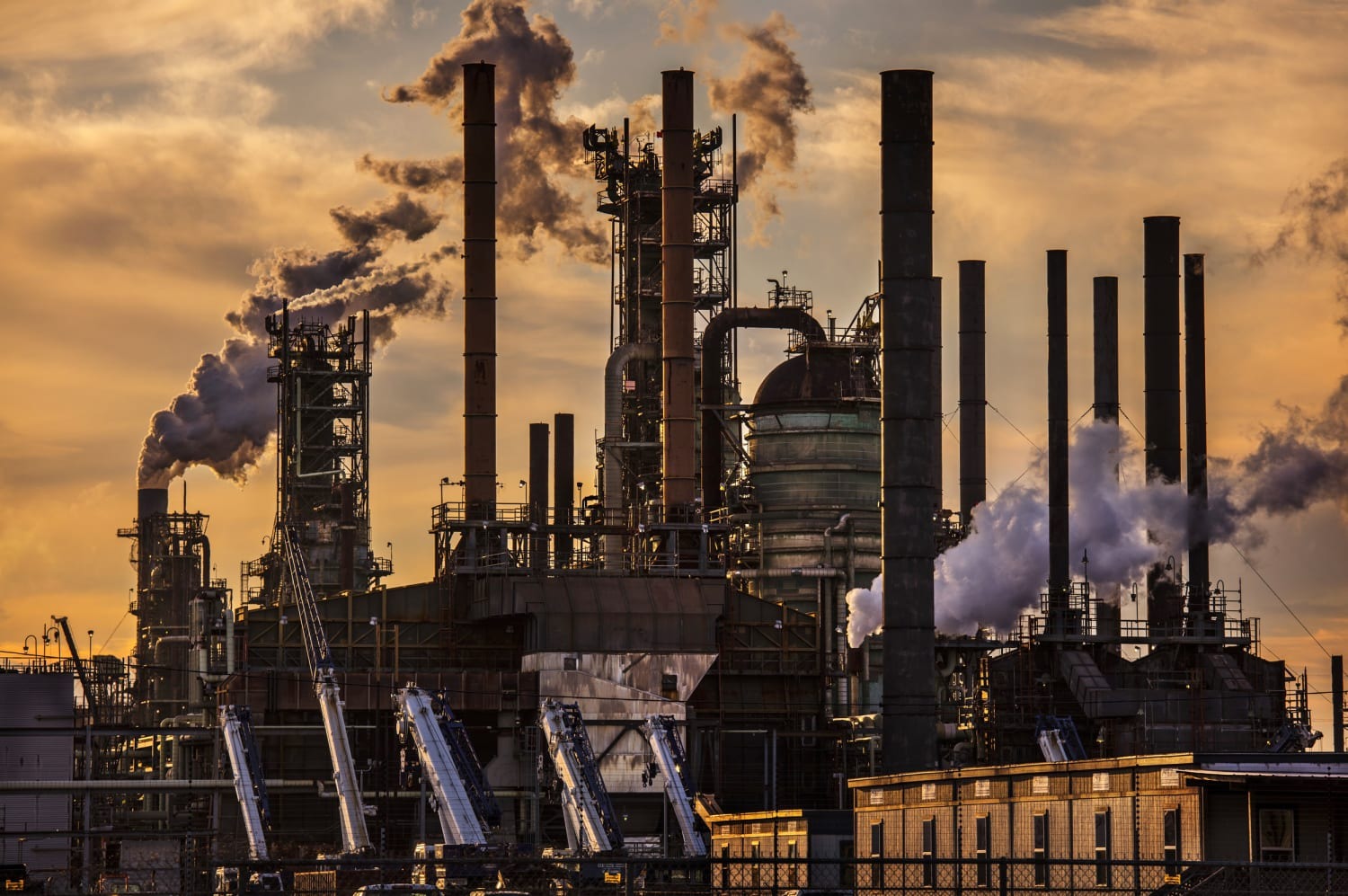
At the center of the case are Exxon Mobil and Suncor Energy, which are appealing a 2025 ruling by the Colorado Supreme Court. That earlier decision allowed a lawsuit filed by the city of Boulder and Boulder County to proceed in state court.
The lawsuit argues that oil and gas companies should be held financially responsible for damages linked to climate change. Local authorities claim that the production, promotion, and sale of fossil fuels have contributed to rising temperatures, increased wildfire risks, and other environmental impacts. The case also includes allegations that the companies violated state consumer protection laws.
By taking up the appeal, the Supreme Court is set to address a broader legal question with nationwide consequences: whether such climate-related lawsuits can move forward in state courts or should be handled at the federal level. The outcome could influence numerous cases filed by cities and municipalities seeking billions of dollars in compensation from major energy firms.
The companies contend that climate change is a global issue that falls under federal jurisdiction, arguing that it cannot be effectively addressed through individual state lawsuits. They point out that air pollution is already governed by federal legislation, specifically the Clean Air Act, and say fragmented legal actions could create inconsistent standards.
Federal administrations have taken opposing positions on the issue. The administration of Donald Trump supported the energy companies’ stance, even taking the unusual step of urging the court to hear the Boulder case despite not being directly involved. In contrast, the administration of Joe Biden opposed the companies’ arguments.
The Colorado lawsuit is part of a growing wave of legal actions brought by local governments against major fossil fuel producers, including companies such as BP, Chevron, and Shell. These cases generally seek to recover costs associated with climate-related damages, such as infrastructure strain and environmental degradation.
This is not the first time the Supreme Court has been asked to intervene in such disputes. In 2023, the justices declined a similar request by energy companies to dismiss climate lawsuits. However, in 2021, the court ruled in favor of oil companies on a procedural matter in a related case involving the city of Baltimore.
Legal experts say the court’s upcoming decision could determine whether climate accountability cases gain momentum or face significant legal barriers. A ruling in favor of the companies could limit the ability of states and cities to pursue claims, while a decision allowing the lawsuits to proceed could open the door for further litigation nationwide.
As the case moves forward, it is expected to become a landmark moment in the intersection of environmental policy, corporate responsibility, and U.S. constitutional law.