
The hidden toll of climate change on mental well-being: understanding eco-anxiety
Eco-anxiety is increasingly being recognised as a widespread psychological response to climate change, describing the range of emotional reactions people experience when confronted with environmental degradation and extreme weather events.
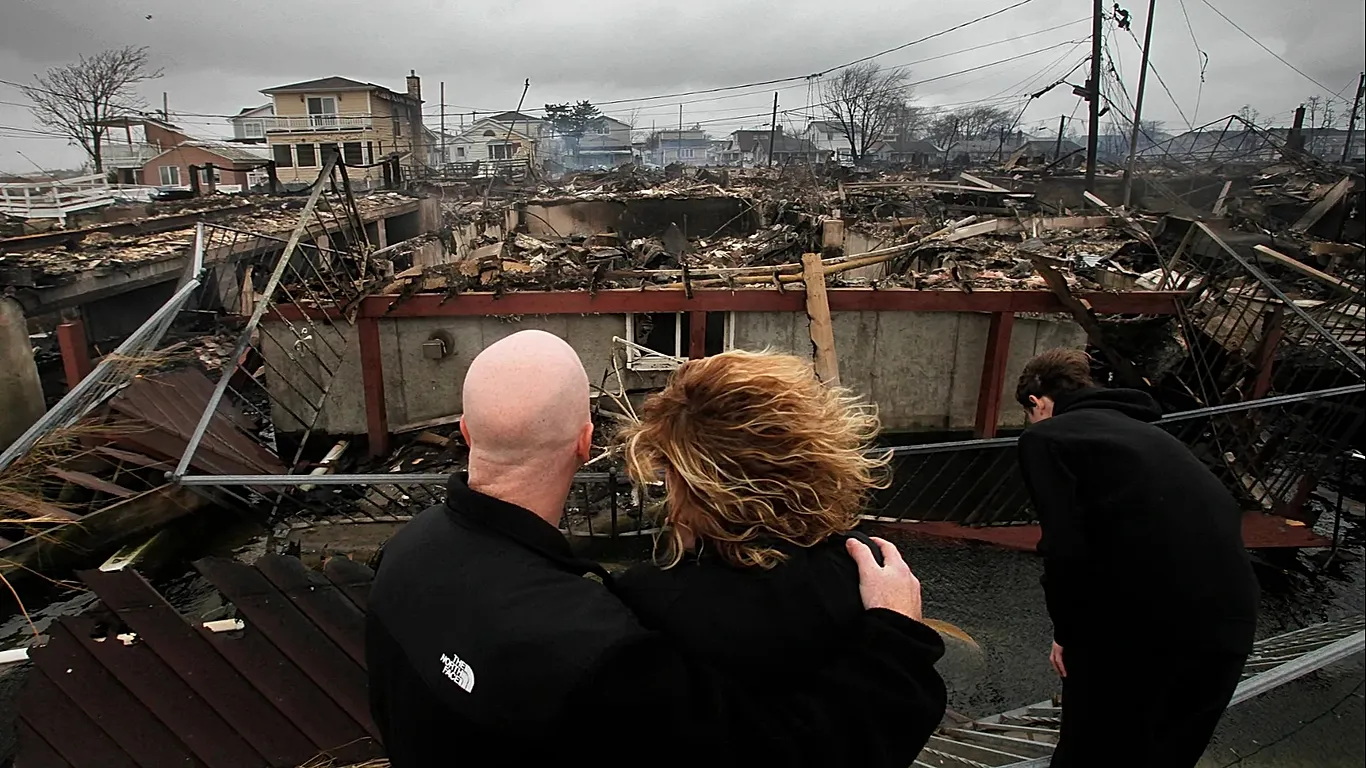
According to psychologist Teresa Pereira, eco-anxiety refers to the emotional impact of both anticipating and directly experiencing climate-related phenomena. Across the globe, rising temperatures, prolonged droughts, wildfires, and increasingly intense storms are becoming more frequent, with tangible consequences for everyday life.
Portugal has recently experienced this reality firsthand, after a series of severe storms caused widespread destruction, particularly in central regions. Authorities estimate that damages in the Leiria region alone could surpass one billion euros. However, experts stress that the consequences go beyond economic losses, extending deeply into mental health.
The concept of eco-anxiety was first introduced in 2007 by environmental philosopher Glenn Albrecht and later formally defined in 2017 by the American Psychological Association (APA) as a chronic fear of environmental decline.
Pereira explains that eco-anxiety can manifest through a wide spectrum of emotional responses, including fear, anxiety, anger, guilt, and persistent worry. It may also present through physical and behavioral changes, such as sleep disturbances, appetite loss, compulsive monitoring of climate-related news, and, particularly among younger people, reduced academic performance.
Researchers identify three main pathways through which climate change affects mental well-being. The first involves direct exposure to extreme events, where individuals may develop anxiety, depression, or even post-traumatic stress disorder. The second concerns indirect impacts, such as disruptions to infrastructure or livelihoods—for example, farmers losing crops due to extreme weather—which can also generate psychological distress.
The third and most common pathway is linked to information exposure. Continuous media coverage and increasing awareness of climate risks can trigger eco-anxiety even in individuals who have not personally experienced such events. As climate change becomes more visible and immediate in public discourse, feelings of concern and vulnerability are becoming more widespread.
Despite its varied symptoms, experts emphasise that eco-anxiety is a normal and adaptive response to a global threat. Pereira notes that it should not be viewed as a mental disorder. However, when these feelings begin to significantly interfere with daily functioning, professional mental health support may be necessary.
In many cases, social support plays a crucial role. Validation from family, peers, educators, and communities can help individuals process their emotions. Experts also highlight the importance of improving public understanding of eco-anxiety and incorporating emotional awareness into climate education, particularly among young people. Rather than adopting alarmist narratives, a balanced approach focused on realistic solutions and open discussion is encouraged.
Research suggests that eco-anxiety can also motivate positive behavioral change. Engaging in environmental action, such as sustainability initiatives, can provide individuals with a sense of purpose, control, and hope. Participating in community or environmental groups may also strengthen social support networks.
Additionally, studies have linked time spent in nature—whether in green or blue spaces—to improved mental well-being, suggesting it can help alleviate some symptoms associated with eco-anxiety.
Recent academic research has sought to measure the prevalence of eco-anxiety across populations. A 2023 study published in the European Journal of Public Health, based on data from over 52,000 participants across 25 countries, found significant differences in concern levels across Europe, with Germany and Spain reporting the highest levels.
Another global survey published in The Lancet Planetary Health found that young people, particularly in countries more directly affected by climate change, report higher levels of distress. Portugal stood out among developed countries for elevated concern, partly linked to the rise in severe wildfires in recent years.
Overall, research indicates that individuals who are more environmentally aware and engaged tend to experience higher levels of eco-anxiety. Young people, in particular, are more affected, as they are expected to face the long-term consequences of climate change, making their concern both understandable and increasingly prominent.